
Flex Space – The Flexible Spaces That Are Reshaping Commercial Real Estate In The United States


#EntrepreneurOfTheWeek – Efi Danieli, #Post5
Flex Space – The Flexible Spaces Redefining Commercial Real Estate in the U.S.
In recent years, a new trend has emerged in the world of commercial real estate — driven by businesses’ growing need for smart, modular, and easily managed spaces.
Enter Flex Space: a real estate concept combining light industrial, storage, logistics, and office functions within one adaptable framework.
What Is Flex Space?
A Flex Space building is designed to accommodate a wide variety of uses.
The front area often looks like a conventional office — complete with air conditioning, flooring, windows, and communication infrastructure.
The rear area, by contrast, functions as an industrial or warehouse space — featuring high ceilings, rolling doors, concrete floors, and the necessary electrical setup for heavy equipment.
This flexibility allows tenants to customize their workspace to fit their exact needs — whether they’re a small manufacturer, logistics company, e-commerce business, or startup seeking to reduce operational costs.
Why Is It Growing So Fast?
Over the past decade, Flex Space properties have become increasingly popular as many businesses move away from expensive downtown offices toward accessible, lower-maintenance suburban spaces with ample parking.
The rise of e-commerce has further accelerated this trend — thousands of online businesses now need small storage and operational facilities close to residential areas.
Flex Space units are perfect for this, combining office functionality with warehouse practicality in one place.
Why It’s Attractive for Investors
From an investor’s standpoint, Flex Space offers a particularly appealing opportunity:
Lower construction costs compared to traditional office buildings.
High occupancy rates, thanks to diverse demand.
Reliable tenants from various sectors — from local businesses to growing tech firms.
Risk diversification — since projects often contain multiple small units, the loss of one tenant has minimal impact on overall cash flow.
The Bigger Picture
Flex Space represents a shift from static to dynamic real estate — assets that can evolve with market demands.
In a world where business models change rapidly, these properties must be adaptive, efficient, and future-ready.
A well-designed Flex Space is not just an income-generating property — it’s a business platform that today might serve as a logistics center, tomorrow as a design studio, and later as an innovation hub.
The Future
This evolution marks the rise of a new commercial real estate class — one measured not just in square feet, but in adaptability.
For the smart investor, Flex Space offers a combination of stability, diversity, and clear long-term growth potential.
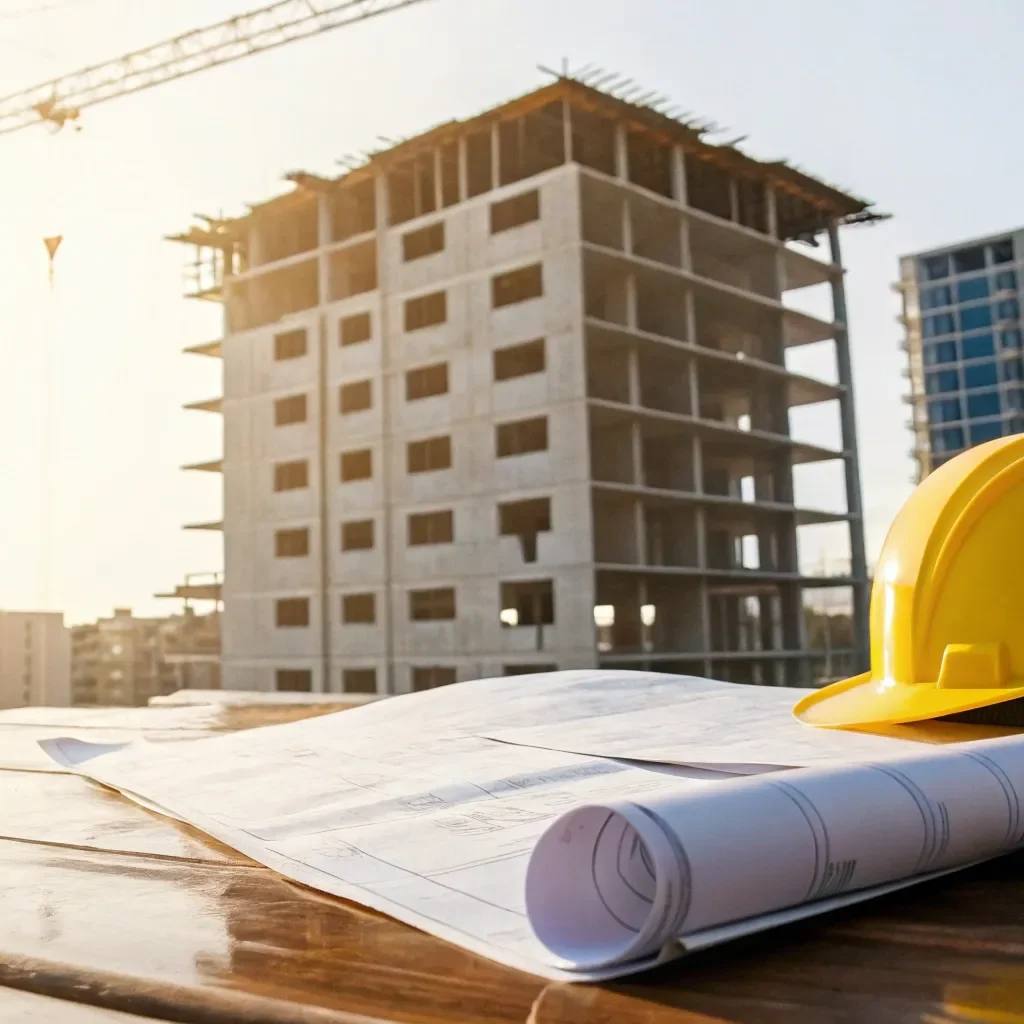
(The image shown is a rendering of a Flex Space project we’re currently advancing in Florida.)
























Responses