
Understanding Real Estate Trends: Impact of Demographic Shifts


Real Estate Trend
The landscape of real estate is in a constant state of flux, influenced heavily by demographic shifts that reshape market dynamics. As of 2026, several key trends have emerged, providing insights into how various factors impact the housing market and investment strategies. Understanding these real estate trends is essential for investors, developers, and anyone involved in the property market. This article will examine the current demographic changes and their implications for real estate, as well as offer actionable strategies for novice investors.
The Influence of Demographic Changes on Real Estate

Demographic changes refer to shifts in population characteristics, including age, race, income, and family structure. These changes have profound effects on housing demand, pricing, and investment strategies.
Aging Population and Housing Demand
One significant demographic shift is the aging population, particularly the Baby Boomer generation. As this cohort ages, their housing preferences are evolving. Many Baby Boomers are downsizing from larger family homes to smaller, more manageable properties, often in communities that offer amenities tailored to their needs, such as healthcare facilities and social activities.
-
Impact on Housing Supply: This trend has led to an increased demand for single-story homes and apartments in urban areas where services are more accessible. Developers and investors should focus on creating or acquiring properties that cater to this demographic, as the demand for such housing is likely to continue growing.
-
Investment Opportunities: Real estate investors can capitalize on this trend by targeting properties in locations popular with retirees, such as Florida or Arizona, or by renovating existing properties to meet the needs of older adults.
Millennials and Urban Living
Another demographic trend is the rising number of millennials entering the housing market. This generation values urban living, often prioritizing proximity to work, entertainment, and public transportation.
-
Shifts in Preferences: Millennials tend to favor walkable neighborhoods with access to public amenities over suburban sprawl. This shift has caused a surge in demand for multifamily housing and rental properties in urban centers.
-
Investment Strategy: Investors should consider investing in urban properties or mixed-use developments that cater to the millennial lifestyle. Understanding the preferences of this demographic can help in selecting properties that will likely appreciate in value.
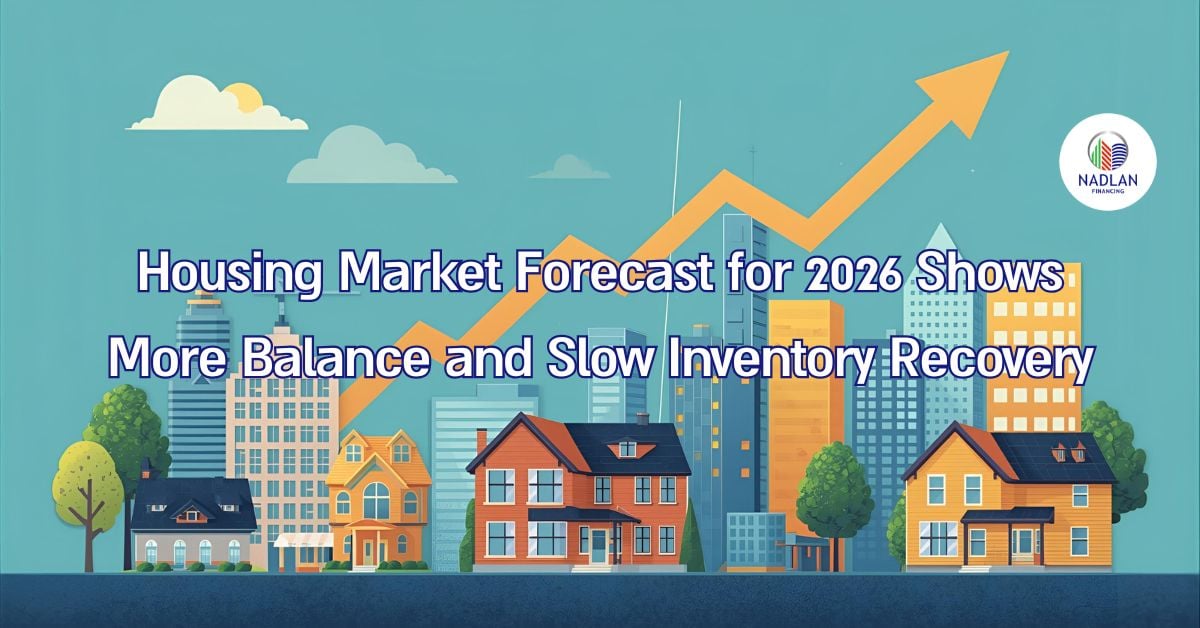
Housing Market Predictions for 2026

As we look ahead, several housing market predictions can help investors strategize effectively.
Continued Demand for Rental Properties
The demand for rental properties is expected to remain strong in 2026, driven by rising home prices and ongoing economic uncertainty. Many individuals, particularly younger generations, are opting to rent instead of buy due to affordability concerns.
- Market Adaptation: Investors should consider diversifying their portfolios to include rental properties, particularly in markets where job growth is strong. Cities experiencing an influx of young professionals are particularly promising.
Technology and Real Estate
Technology continues to play an increasing role in real estate, influencing everything from property management to buyer engagement. The rise of online platforms and virtual tours has changed how properties are marketed and sold.
- Investing in Tech-Enabled Solutions: Real estate investors should leverage technology for property management, marketing, and customer engagement. Implementing virtual tours and utilizing data analytics to understand market trends can provide a competitive edge.
Top Real Estate Investment Strategies for Novice Investors

For those new to real estate investing, understanding effective strategies is crucial for success. Here are several approaches that can help novice investors navigate the market.
1. Start with Rental Properties
Investing in rental properties is a practical way to begin building wealth through real estate. Rental income can provide a steady cash flow while the property’s value appreciates over time.
- Research Local Markets: It is vital to research local rental markets to understand demand, rental prices, and potential growth. Look for areas with strong job markets and low vacancy rates.
2. Consider Real Estate Investment Trusts (REITs)
For those who may not want to manage properties directly, investing in REITs offers a way to invest in real estate without the need to buy physical properties.
- Diversification: REITs allow investors to diversify their portfolios across various types of real estate, including commercial, residential, and industrial properties.
3. Explore Fix-and-Flip opportunities
Fix-and-flip projects can yield significant returns if executed correctly. This strategy involves purchasing undervalued properties, renovating them, and selling them at a higher price.
- Assessing Properties: Investors should have a keen eye for properties that can be improved with cosmetic changes. Understanding renovation costs and potential resale value is crucial for success.
4. Utilize Leverage Wisely
Leverage can amplify investment returns, but it must be used cautiously. Borrowing funds to finance a property can increase potential gains but also comes with higher risk.
- Calculate Cash Flow: Before leveraging, ensure that projected rental income will cover mortgage payments and other expenses. This analysis can prevent financial strain.
5. Network and Build Relationships
Building a network of industry professionals can provide valuable insights and opportunities. Networking with other investors, real estate agents, and contractors can lead to better deals and partnerships.
- Join Local Real Estate Groups: Participating in local real estate investment groups can help novice investors gain knowledge and connect with experienced professionals.
Common Mistakes to Avoid in Real Estate Investing
Novice investors often make several common mistakes that can hinder their success. Understanding these pitfalls can help in navigating the real estate landscape more effectively.
1. Underestimating Costs
Many new investors underestimate the costs associated with purchasing and managing a property. This can lead to financial strain and poor investment decisions.
- Comprehensive Budgeting: It is essential to create a comprehensive budget that accounts for all costs, including maintenance, taxes, and property management fees.
2. Neglecting Market Research
Failing to conduct thorough market research can result in poor investment choices. Understanding local market trends and property values is crucial.
- Data-Driven Decisions: Utilize data and analytics tools to gather insights about the housing market. This information can guide investment decisions and help identify promising opportunities.
3. Overextending Financially
Many novice investors stretch their finances too thin by taking on too much debt. This can lead to difficulties in managing properties and meeting financial obligations.
- Financial Prudence: It is important to assess personal financial situations realistically and avoid over-leveraging. Prioritize investments that align with financial capabilities.
The Intersection of Real Estate Trends and Investment Strategies
As demographic shifts continue to shape the real estate landscape, investors must adapt their strategies accordingly. Understanding real estate trends can provide valuable insights into market dynamics, allowing investors to make informed decisions.
Nadlan Capital Group recognizes the importance of these trends in guiding investment strategies. By staying informed about demographic changes and market predictions, investors can position themselves for success in an ever-evolving environment.
For those looking to navigate the complexities of real estate investing, Nadlan Capital Group offers expertise and support tailored to your unique needs. Whether you are a novice investor or a seasoned developer, our team can assist you in achieving your real estate goals.
Visit Nadlan Capital Group to learn more about how we can help you capitalize on current real estate trends and make informed investment decisions.























Responses