
Urban vs Suburban Real Estate Trends: Which Offers Better Investment?

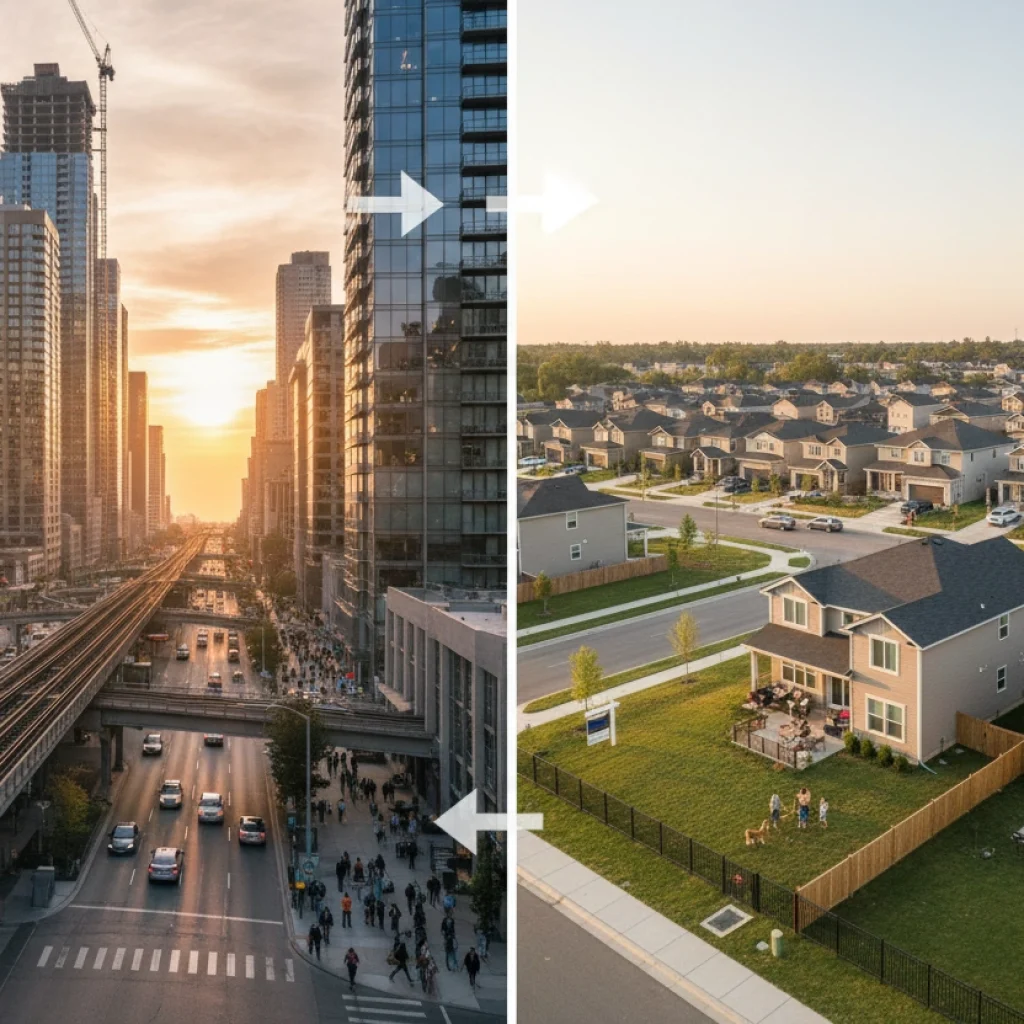
The real estate market is a dynamic landscape that reflects broader societal changes, economic trends, and consumer preferences. As of 2026, the debate surrounding urban versus suburban investments continues to evolve, influenced by a multitude of factors such as demographic shifts, employment trends, and lifestyle choices. Understanding these real estate trends is essential for investors looking to make informed decisions about where to allocate their resources.
In recent years, the pandemic has prompted many people to rethink their living situations, leading to increased interest in suburban areas. However, urban centers are still attractive due to job opportunities and lifestyle amenities. This article examines the key factors driving housing market predictions for 2026 and provides insights into whether urban or suburban real estate offers better investment potential.
Key Factors Driving Housing Market Predictions for 2026
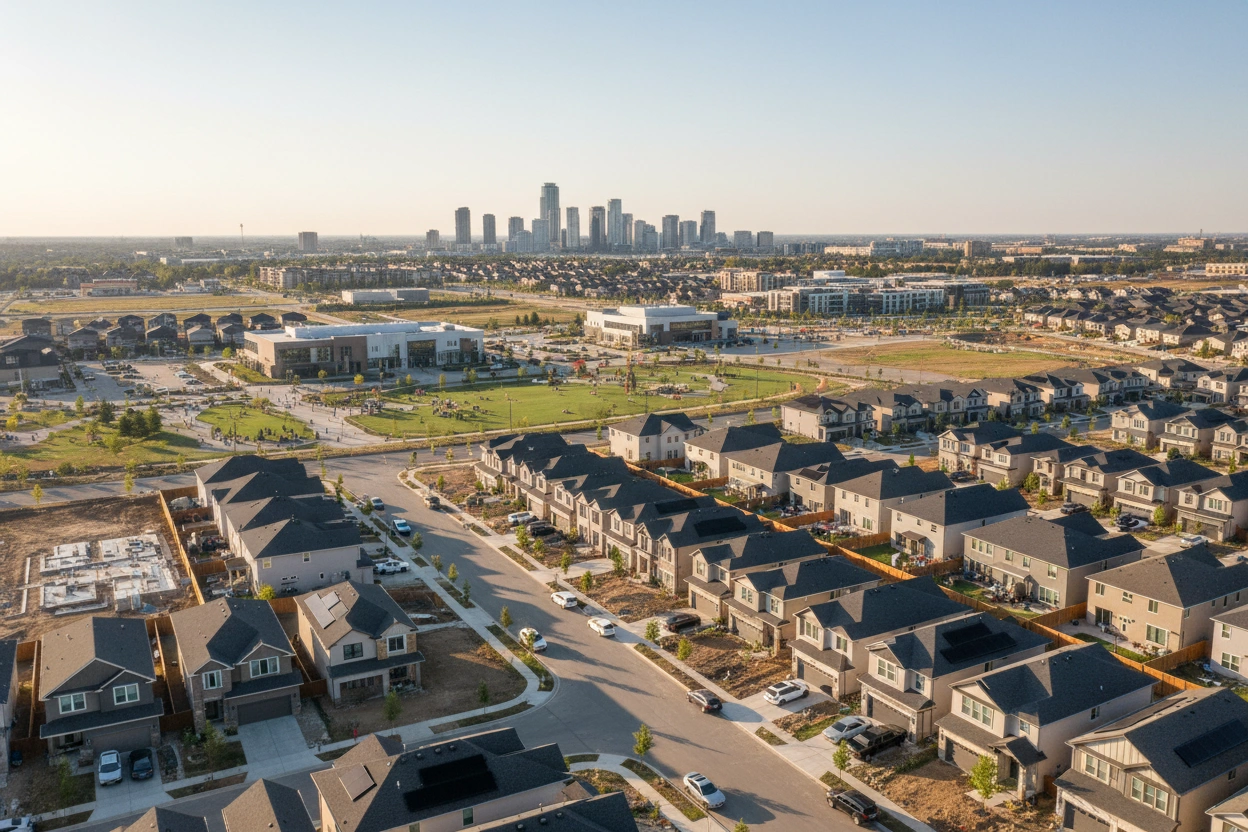
Understanding the underlying factors that influence real estate trends is crucial for making informed investment decisions. As we look ahead to 2026, several key elements are shaping the market:
Economic Recovery and Job Growth
The economic recovery following the pandemic has sparked a resurgence in various sectors, significantly impacting the housing market. Job growth is a primary driver of housing demand, with sectors such as technology, healthcare, and renewable energy leading the charge. Urban areas often provide a concentration of job opportunities, attracting individuals seeking higher salaries and career advancement.
- Increased employment opportunities can lead to higher demand for housing in urban settings.
- Job growth in suburban areas, particularly in tech hubs, is also rising, making these locations attractive for families seeking a better quality of life.
- Investors should monitor employment trends to gauge potential housing demand in both urban and suburban markets.
Demographic Shifts and Migration Patterns
Demographics play a significant role in shaping real estate trends. The millennial and Gen Z generations are now entering the housing market, and their preferences differ from those of previous generations. Many younger buyers prioritize lifestyle amenities, access to public transportation, and walkability.
- Urban areas often cater to these preferences with vibrant cultural scenes and public transit options.
- Conversely, suburban areas are becoming increasingly appealing due to their larger living spaces and perceived safety.
- Understanding these demographic shifts can help investors identify which areas may see increased demand in the coming years.
Interest Rates and Financing Options
Interest rates have a profound impact on the housing market. As of 2026, the Federal Reserve’s approach to interest rates will influence borrowing costs for potential homebuyers. Lower interest rates generally stimulate demand, while higher rates can dampen it.
- Investors should keep an eye on the Federal Reserve’s monetary policy as it directly affects current mortgage rates and, subsequently, housing affordability.
- Financing options, including those offered by alternative lenders, may also present unique opportunities for investors, especially for those who may not qualify for traditional loans.
Urban Revitalization and Suburban Development
Urban revitalization projects are becoming increasingly common as cities seek to attract residents and businesses. Investments in infrastructure, parks, and community spaces can enhance the appeal of urban living.
- Look for areas undergoing revitalization, as they may present opportunities for appreciation.
- Suburban developments are also on the rise, often featuring modern amenities and community-focused designs that attract families.
Urban vs Suburban: Analyzing Investment Potential
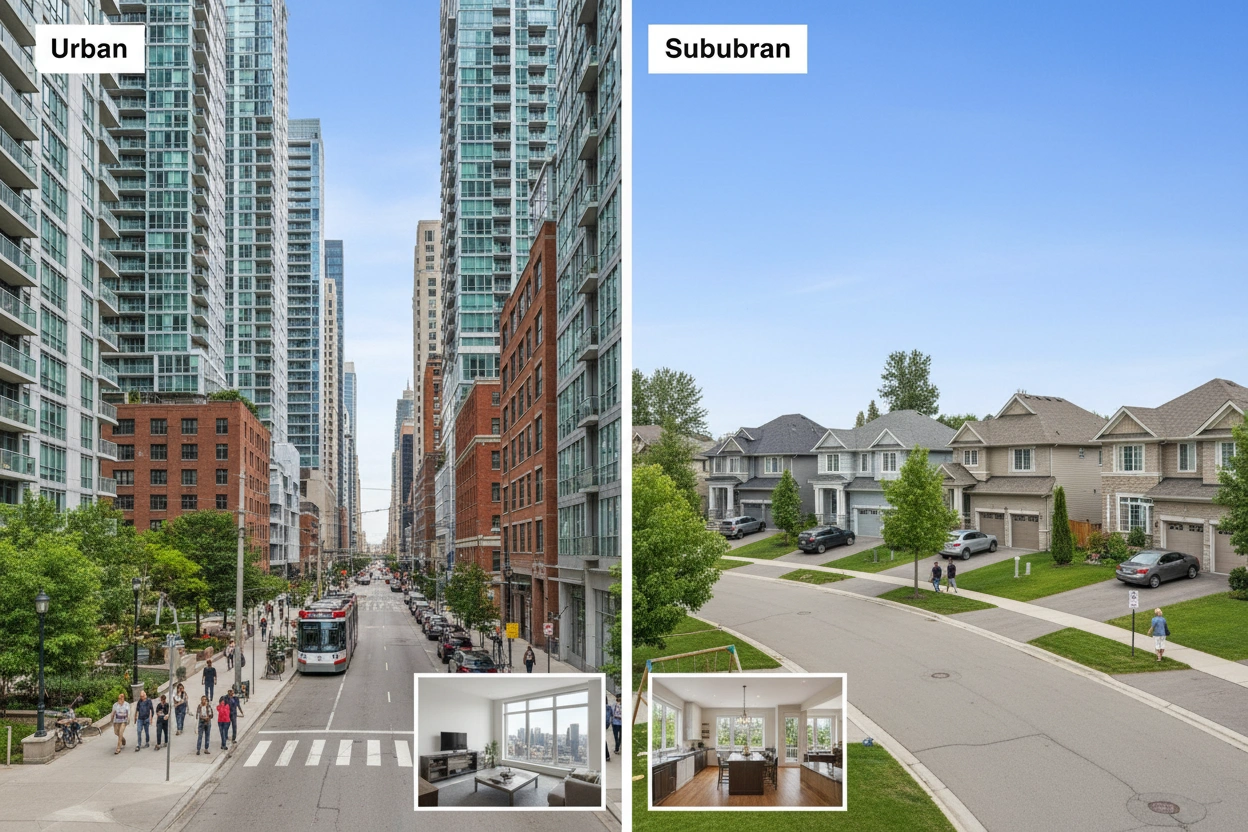
When considering where to invest, it is essential to weigh the pros and cons of both urban and suburban properties. Each market has unique characteristics and potential returns.
Pros and Cons of Urban Investments
Urban properties often attract a diverse range of tenants and buyers, which can lead to stable rental income and appreciation. However, they also come with challenges.
Pros of Urban Investments
- High Rental Demand: Urban centers typically have a strong rental market due to job opportunities and lifestyle amenities.
- Appreciation Potential: Properties in desirable urban areas can appreciate significantly over time, providing a strong return on investment.
- Access to Amenities: Urban living often means proximity to restaurants, entertainment, and cultural attractions, appealing to a broad demographic.
Cons of Urban Investments
- Higher Entry Costs: The cost of purchasing urban properties can be significantly higher than suburban ones, requiring more capital upfront.
- Market Volatility: Urban markets can be more susceptible to economic downturns, impacting rental income and property values.
- Management Challenges: Urban properties may require more intensive management due to higher tenant turnover and maintenance needs.
Pros and Cons of Suburban Investments
Suburban properties have gained popularity in recent years, especially as remote work becomes more common. However, they also come with their own set of advantages and disadvantages.
Pros of Suburban Investments
- Affordability: Suburban properties are generally more affordable, allowing investors to acquire larger assets or multiple properties.
- Stable Demand: Families often prefer suburban living for its space and perceived safety, leading to stable demand for rentals.
- Community Growth: Many suburbs are experiencing growth, with new developments and amenities attracting residents.
Cons of Suburban Investments
- Potential for Slower Appreciation: While suburban areas can appreciate, they may not do so at the same rate as urban properties.
- Less Diverse Tenant Pool: Suburban properties may appeal primarily to families, limiting the tenant demographic.
- Dependence on Transportation: Suburbs often require residents to have access to vehicles, which can impact desirability.
Common Misconceptions in Urban vs Suburban Real Estate
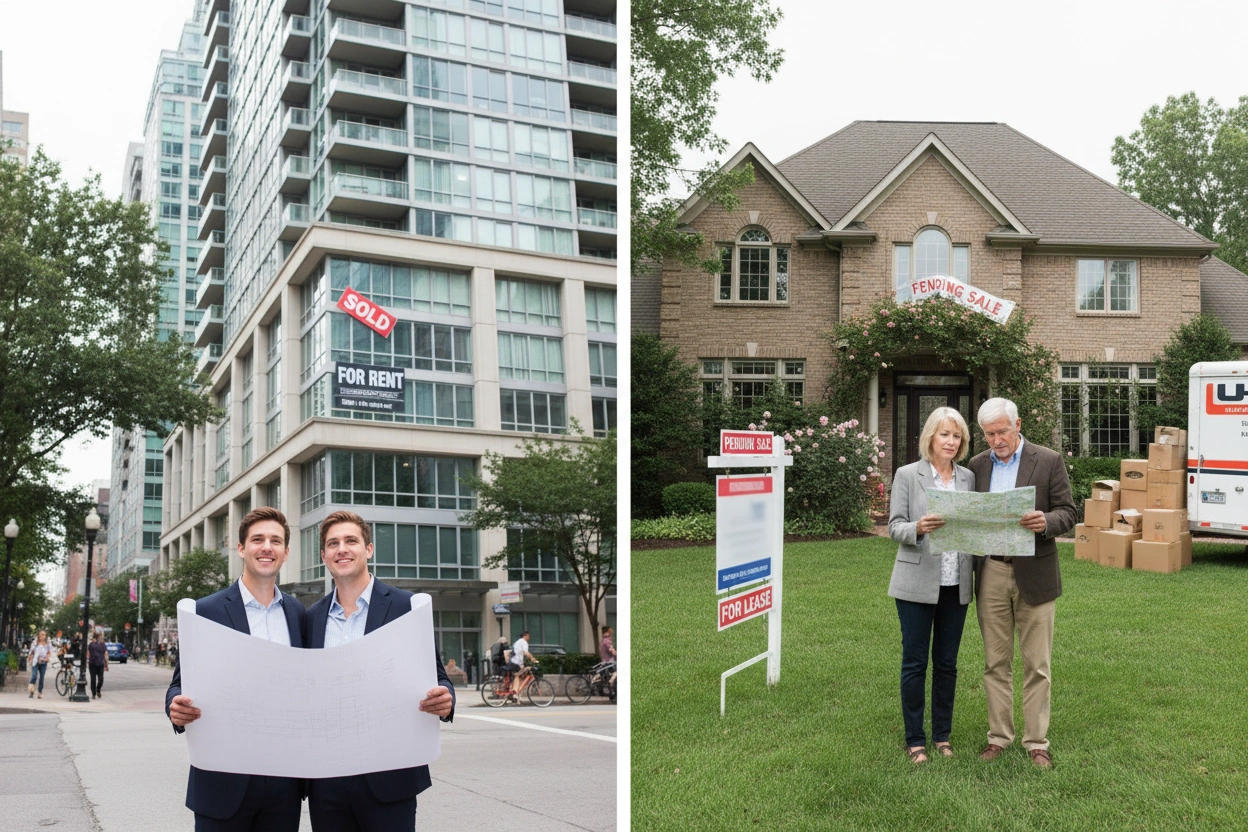
Investors may hold various misconceptions about urban and suburban real estate that can influence their decisions. Addressing these misconceptions can provide clarity and guide better investment choices.
Urban Properties Are Always a Better Investment
While urban properties often present attractive investment opportunities, they are not without risks. Investors should conduct thorough market analyses to identify specific urban areas that exhibit growth potential rather than assuming all urban markets will perform well.
Suburban Areas Lack Growth Potential
Many investors overlook suburban areas, believing they will not appreciate as much as urban centers. However, many suburbs are experiencing revitalization and growth, particularly those near urban job markets. Investors should consider emerging suburbs that may provide substantial returns.
Rental Demand Is Static
A common misconception is that rental demand will remain constant. In reality, rental demand can fluctuate based on economic conditions, demographic shifts, and lifestyle trends. Investors should stay informed about local market dynamics to adjust their strategies accordingly.
Actionable Insights for Real Estate Investors
For investors looking to capitalize on current real estate trends, several strategies can enhance their investment potential in both urban and suburban markets.
Conduct Thorough Market Research
Understanding local market conditions is critical. Investors should analyze housing trends, rental prices, and demographic shifts to identify promising investment areas. Utilize resources such as local government reports, real estate market analysis tools, and industry publications to gather data.
Diversify Your Portfolio
Consider diversifying investments across both urban and suburban properties to mitigate risks. This approach allows investors to benefit from the strengths of both markets while balancing potential weaknesses.
Leverage Technology
Utilize technology to streamline property management and enhance the tenant experience. Tools such as property management software and online rental platforms can improve efficiency and tenant satisfaction.
Network with Industry Professionals
Building relationships with local real estate agents, property managers, and other investors can provide valuable insights into market trends and investment opportunities. Networking can also lead to potential partnerships that enhance investment strategies.
The Intersection of Urban and Suburban Real Estate Trends
The real estate landscape in 2026 presents unique opportunities for investors considering urban versus suburban properties. By understanding the key factors driving housing market predictions, investors can make informed decisions that align with their financial goals.
As trends evolve, Nadlan Capital Group is committed to supporting investors in navigating these complex dynamics. Whether you are a short-term investor looking for quick returns or a long-term passive investor building a rental portfolio, our expertise can help you identify promising opportunities in both urban and suburban markets.
To learn more about how Nadlan Capital Group can assist you in achieving your real estate investment goals, contact Nadlan Capital Group today.

























Responses