
California Housing Development Report: 40,000 Affordable Homes Ready to Build


California continues to face a serious housing shortage, and thousands of affordable housing projects that could help address the problem are ready to begin construction. However, many of these developments remain stalled due to one major obstacle: funding.
A recent study highlighted that nearly 40,000 affordable housing units in California are approved and ready to build, yet construction cannot begin because developers have not secured the final financing needed to move forward.
These projects have already passed major development steps, including zoning approvals and community reviews, but they remain delayed while waiting for financial support.
Thousands of Affordable Housing Units Await Construction
Research from Enterprise Community Partners, a nonprofit organization that focuses on housing development, estimates that 39,880 affordable housing units across California are currently “shovel-ready.”
These units are spread across approximately 461 separate housing developments.
The projects have already cleared major hurdles such as:
- Zoning approval
- Environmental reviews
- Local government support
- Site planning and design
Despite reaching these milestones, construction has not started because developers are still waiting for the final portion of project financing.
Housing experts describe this situation as a funding bottleneck that is preventing many developments from moving forward.
Example Project Waiting Years for Funding
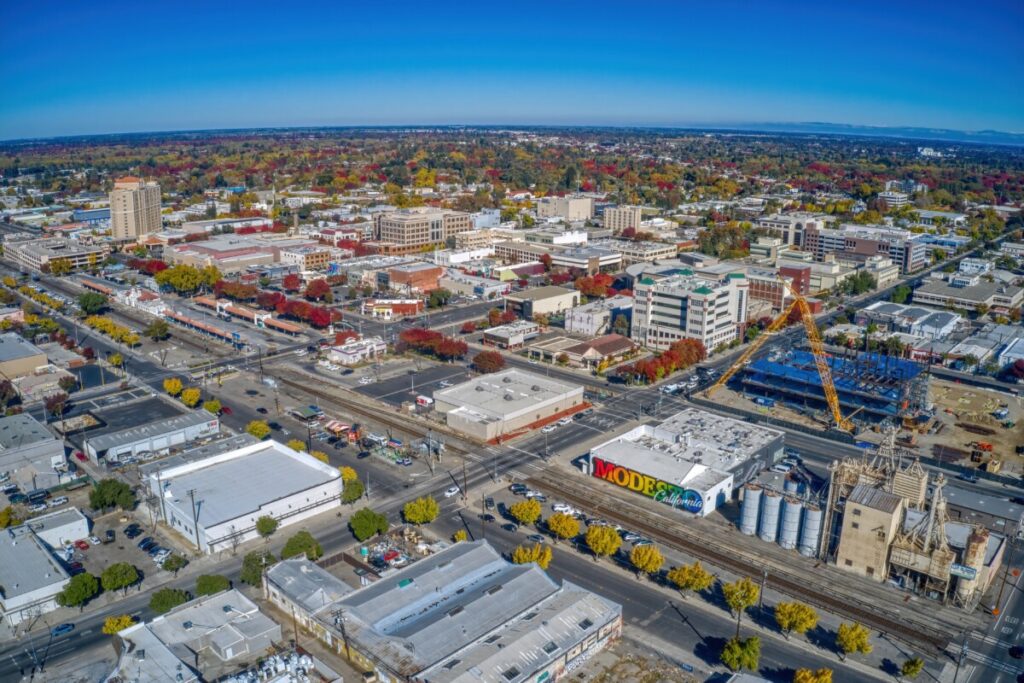
One example of this challenge is a planned affordable housing development in Modesto, California.
The proposed Morris Village project would include 44 apartment units, with half reserved for people experiencing homelessness.
The project was designed to provide more than housing alone. Plans include:
- Access to public transportation nearby
- On-site mental health services
- Job training programs
- Community activities such as fitness classes
Although the project has received zoning approval and local support, it has been waiting more than six years for final funding.
Developers have submitted more than a dozen funding applications while trying to assemble financial support through a mix of grants, loans, and donated land.
Affordable Housing Demand in California
California’s housing shortage has been a long-term issue driven by population growth, high construction costs, and limited housing supply.
State housing officials estimate that California needs to build about 2.5 million additional housing units by the end of the decade to meet demand.
Of those units, roughly one million homes are expected to serve households earning less than 80% of the median income.
Affordable housing projects are critical for helping low- and moderate-income residents find stable housing in a state where rents and home prices remain among the highest in the United States.
Funding Gap Slowing Development
According to the study, an estimated $4.1 billion in additional funding would be required to move the current backlog of approved projects into construction.
This funding would likely come from a mix of sources such as:
- State housing grants
- Low-interest development loans
- Tax credits
- Federal housing support programs
Many projects have already received partial funding from state or local programs but still need additional resources to close the financing gap.
Without that final funding layer, construction cannot begin.
Complex Financing Process
Affordable housing developments often rely on multiple funding sources.
In California, a typical project may combine two or three different public funding programs, while some developments rely on as many as six separate sources.
Each program has its own application timeline, eligibility requirements, and approval process.
This complexity can create delays as developers must secure each piece of financing before construction can begin.
Research from the Terner Center for Housing Innovation at the University of California, Berkeley, found that each additional funding source can increase project costs by more than $20,000 per unit and delay construction by about four months.
These delays also increase project costs due to inflation, interest on pre-construction loans, and rising construction expenses.
High Construction Costs in California
Another factor affecting California affordable housing construction is the high cost of development.
Studies show that building affordable housing in California can cost two to four times more than similar projects in states such as Texas or Colorado.
Several factors contribute to these higher costs, including:
- Expensive land prices
- Higher labor costs
- Local development fees
- Lengthy permitting processes
- Strict zoning and regulatory requirements
These conditions make it more difficult for developers to complete affordable housing projects without significant financial support.
State Funding and Policy Efforts
California has previously relied on large public funding initiatives to support affordable housing construction.
In 2018, voters approved a major housing bond that provided billions of dollars for housing development across the state.
However, much of that funding has already been allocated.
Currently, state officials estimate that about $1.8 billion in housing funding may be available this year through a combination of previously approved state funds and federal housing programs.
State leaders are also discussing new ways to expand housing funding.
One proposal being considered would place a $10 billion affordable housing bond measure on the 2026 ballot, which would allow voters to decide whether to provide additional funding for housing development.
Policy Changes to Speed Up Housing Development
In addition to increasing funding, policymakers are exploring ways to reduce development costs and speed up construction timelines.
Some potential changes include:
- Simplifying the affordable housing financing system
- Streamlining permitting processes
- Reducing regulatory barriers
- Improving coordination between funding programs
State officials believe these changes could help move stalled projects forward and increase the number of homes built each year.
Outlook for Affordable Housing in California
The large number of approved but delayed projects shows that developers are willing and ready to build more affordable housing.
However, until financing gaps are addressed, thousands of planned homes will remain on hold.
Housing advocates say solving the funding bottleneck could quickly unlock tens of thousands of new housing units across the state.
If additional public funding becomes available and financing processes become simpler, many of these developments could begin construction within a relatively short period of time.
For now, the future of California affordable housing construction depends on whether policymakers and funding programs can provide the financial support needed to move these projects from planning to building. For direct financing consultations or mortgage options for you visit 👉 Nadlan Capital Group.
























Responses