
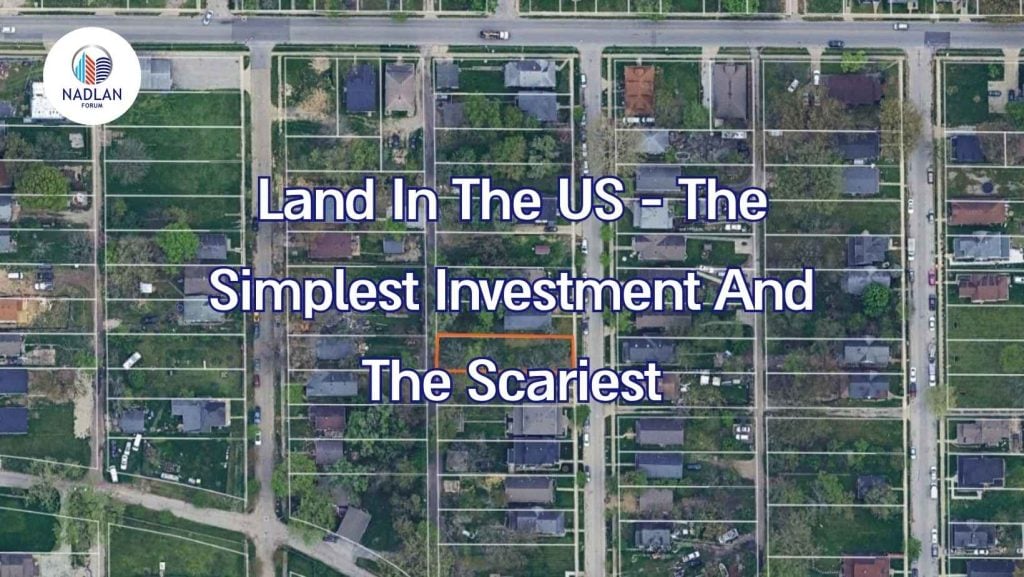
Land In The US – The Simplest Investment And The Scariest

#EntrepreneurOfTheWeek – Post #4
Land in the U.S. — the simplest investment… and the scariest
Many investors shy away from land because it lacks what they’re used to.
There’s no tenant, no monthly rent, and no clear model like with houses. That creates uncertainty—and fear of the unknown.
But the truth is, after experiencing both house investments and land deals, I can say that in many ways, land is much simpler than it seems—and in some cases, even less risky.
The reason is that with houses—especially renovations—you enter a deal with a plan and a defined budget, but quickly discover that reality changes as you go. Problems arise that you didn’t anticipate, budgets are exceeded, timelines are delayed, and in the end, you know how you entered the deal—but not really how or when you’ll exit.
This is where another realization came in for us, strengthened by our work with Tax Sales and exposure to different types of deals.
Many entrepreneurs combine rentals and flips to generate cash flow and build capital.
But we realized that in today’s environment, flips can be far riskier than they appear on paper.
In a classic flip, you start with a structured plan—but in reality, there are too many variables outside your control: contractors, materials, timelines. All of these directly impact your profit.
Instead, we chose to build an alternative that works much better within our portfolio:
we flip land.
Using a structured system, clear criteria, and a methodical approach, we’re able to create deals in a much more controlled way—with fewer surprises and greater control from entry to exit.
Unlike traditional flips that require renovations, contractor management, and constant on-site involvement, land deals eliminate much of that “headache.” This allows us to focus on decisions and strategy—not on putting out fires.
This also brings another key advantage: risk diversification.
We don’t work only with houses or only with land—we combine both.
This way, we have:
- Properties that generate ongoing cash flow
- Deals that generate profits
But in a more controlled, structured way, with less dependency on external variables.
That said, it’s important to understand:
Land is not “easy” for those who don’t know what to check.
The biggest mistake I see is people buying land just because it’s cheap—without asking the most important question:
Who am I going to sell this to?
We don’t buy land.
We buy the ability to sell.
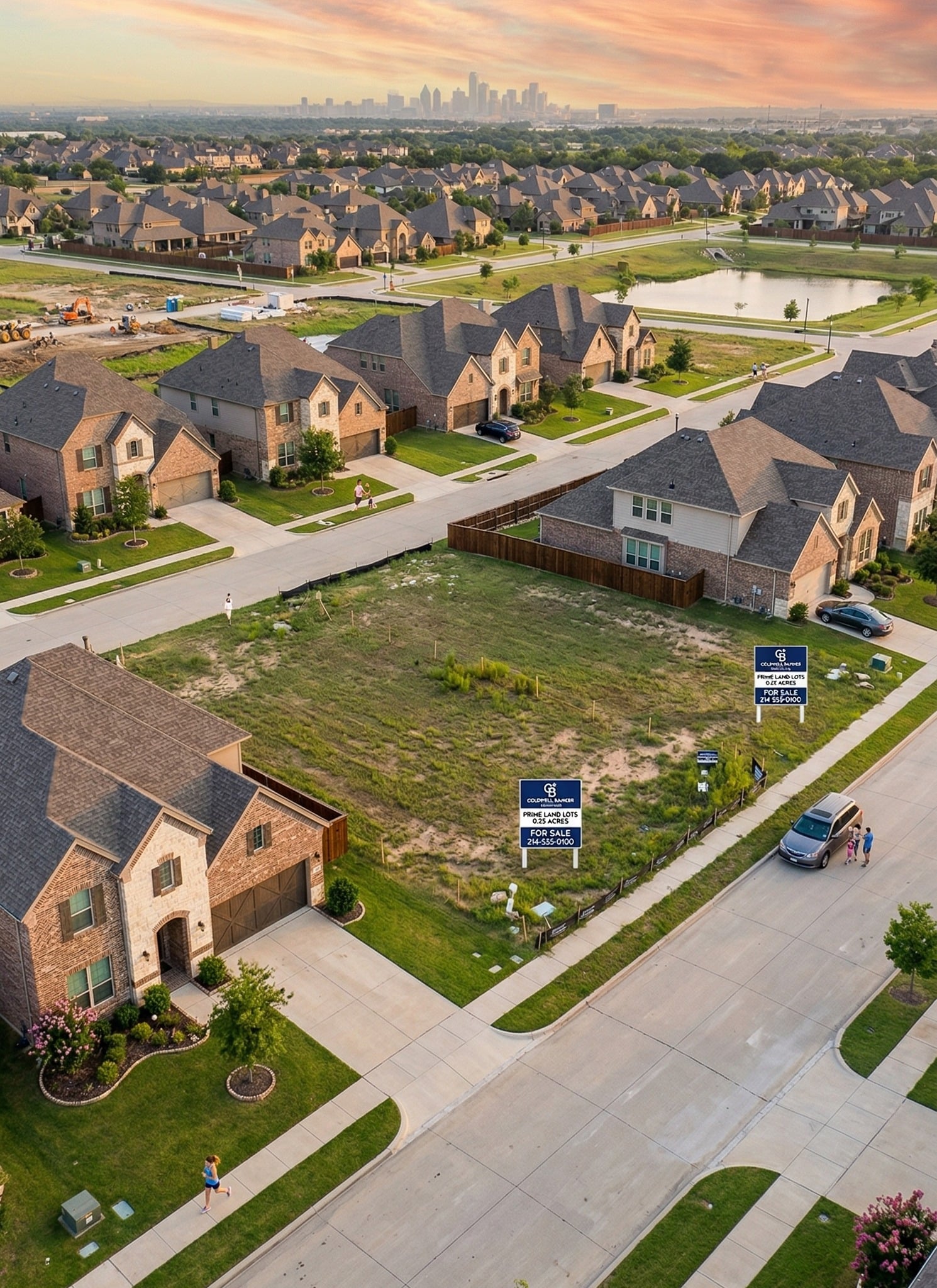
That’s why before every purchase, we first examine real demand in the area and identify the potential buyer—whether it’s someone who wants to build, another investor, or a buyer looking for an affordable lot.
Because if there’s no clear buyer—there’s no deal.
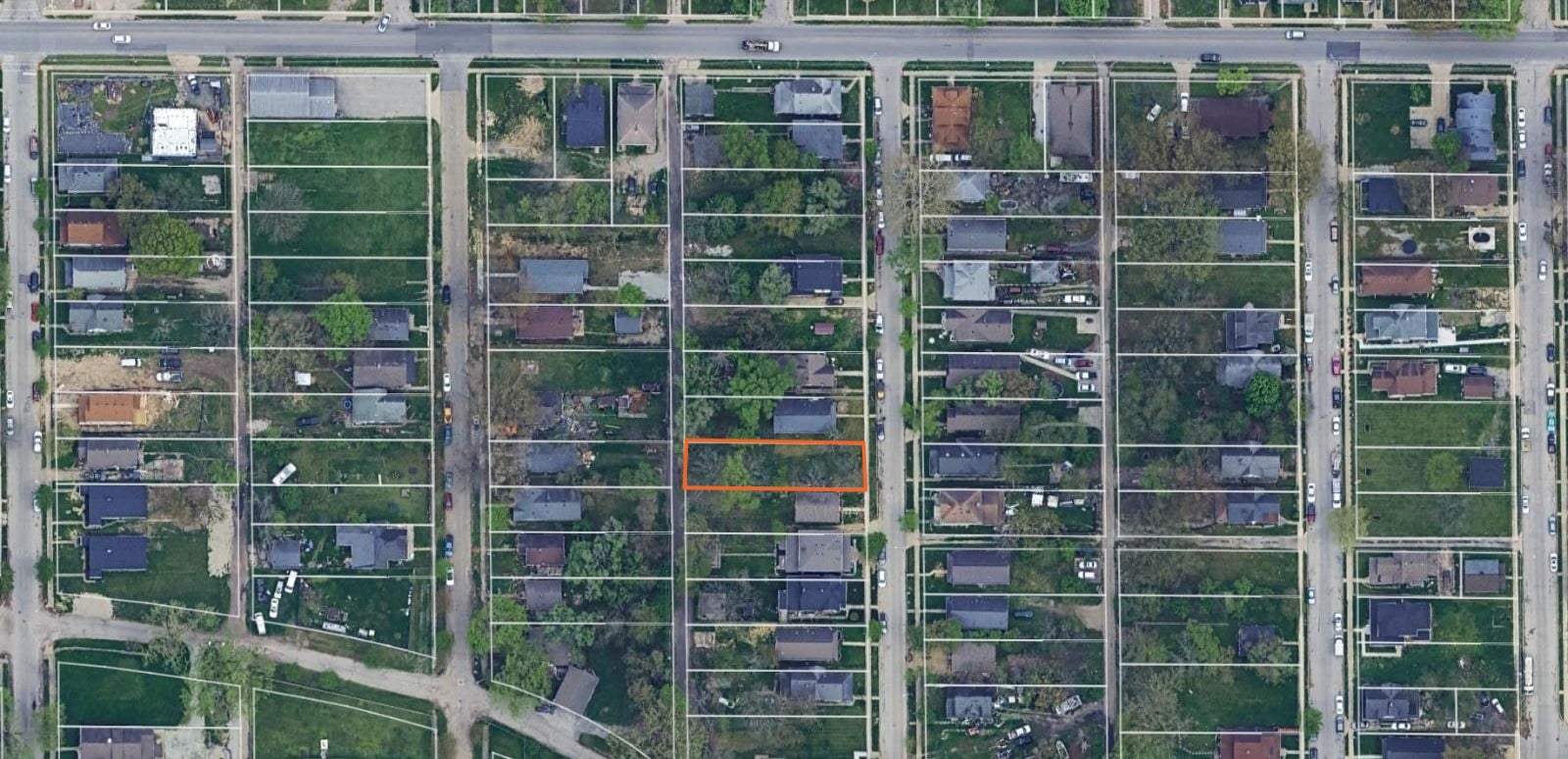
We also look closely at the exact location within the area.
It’s not enough that it’s in a “good city.” We check details like:
- Are there houses nearby?
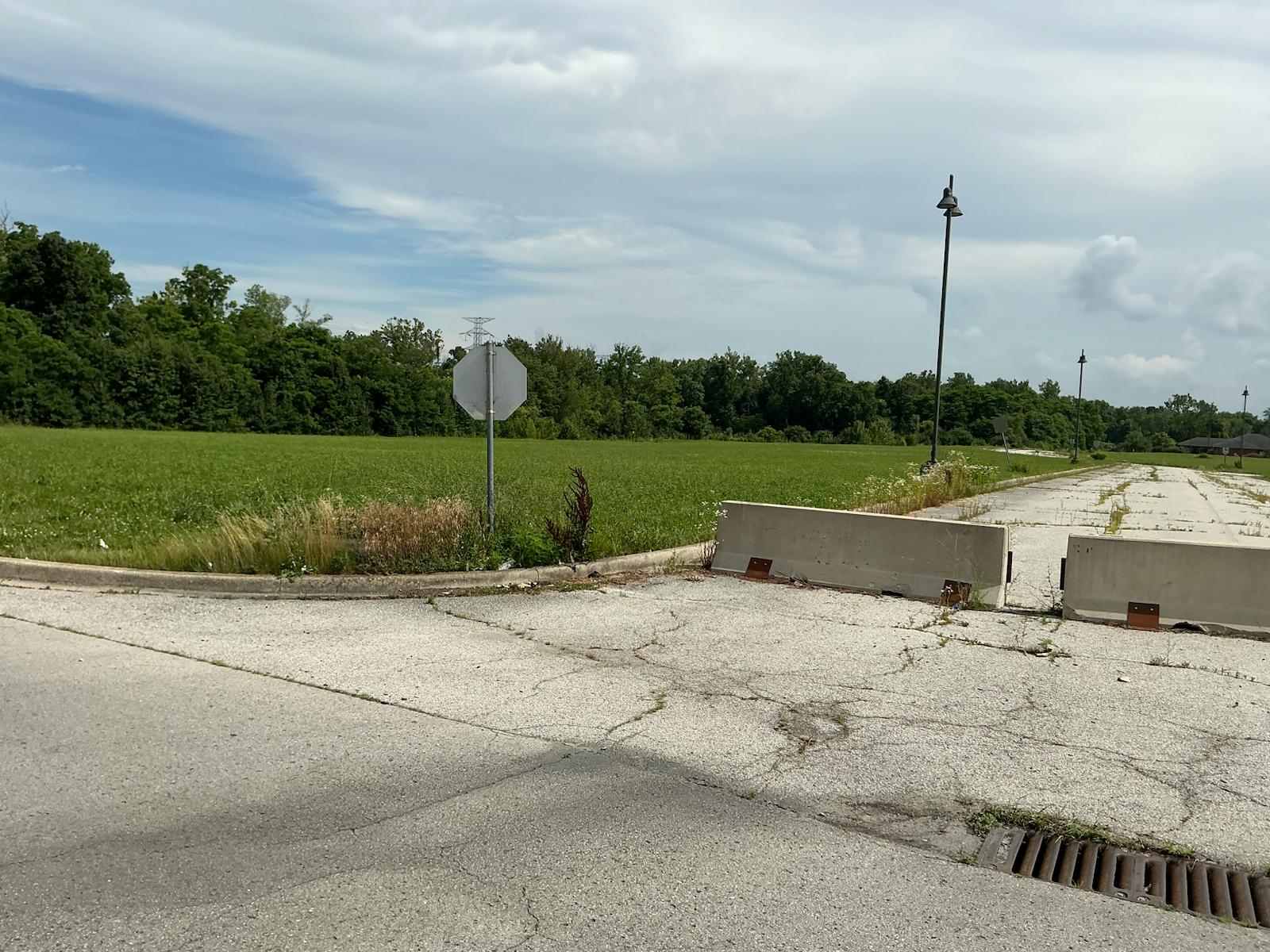
- Is there proper access?
- Is this an area with activity and development?
One of the most critical factors is legal access.
Land without recorded access can quickly turn from a “great deal” into a complex legal problem—so for us, this is non-negotiable.
We also check zoning to understand what can actually be done with the land.
Land without a clear use case will be much harder to sell.
At the same time, we evaluate infrastructure—electricity, water, sewage—because sometimes the cost of bringing utilities exceeds the cost of the land itself.
Beyond that, we always rely on real market data—not asking prices, but actual sold comparables—to understand true value and how long it takes to sell.
One of the most important lessons we’ve learned:
Cheap land is not necessarily an opportunity—it’s often a signal to dig deeper. There’s usually a reason for the low price.
At the end of the day, it’s not about the land or the house.
It’s about how you enter the deal—and how you plan to exit it.
And if there’s one sentence that sums it up:
Good land isn’t measured by its price—
it’s measured by your ability to sell it.























Responses