
Market Adjusts to Fed Rate Hike Odds: Inflation, Oil Prices, and Economic Fears Grow

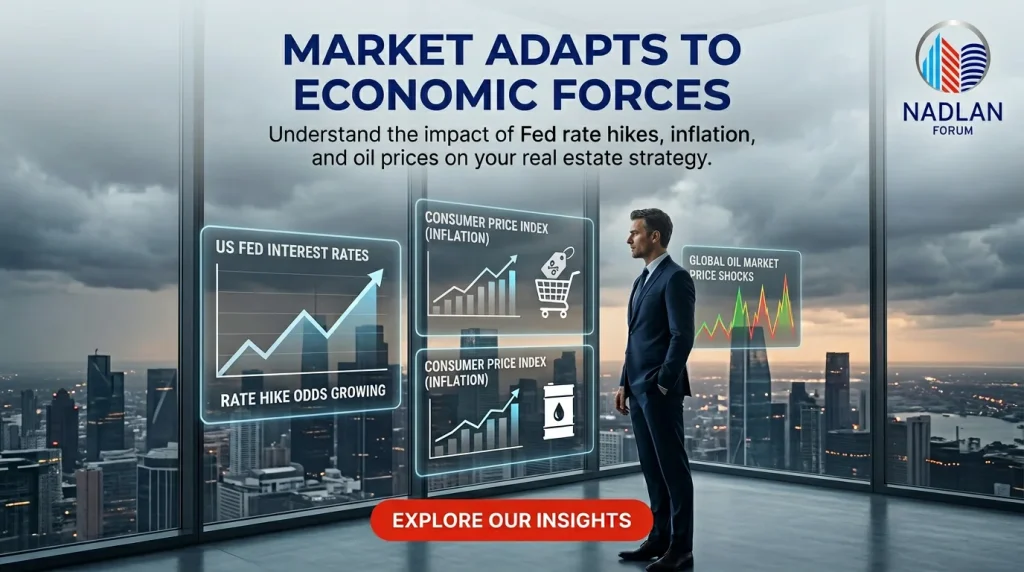
The U.S. financial markets are adjusting their expectations for the Federal Reserve’s next move, with traders now predicting a rate hike by the end of 2026. This shift comes as inflation concerns intensify due to rising energy prices, supply chain disruptions, and global instability, particularly related to the ongoing conflict in Iran.
The probability of a rate hike has increased to 52%, according to the CME Group FedWatch tool. This marks the first time the likelihood of an increase has crossed the 50% threshold, highlighting growing market concern about rising inflation.
Energy Prices Push Inflation Fears to the Forefront
One of the primary drivers of this inflationary pressure is surging global energy prices. On Friday morning, global benchmark crude prices topped $110 per barrel, further exacerbating inflation concerns. This price increase, combined with higher costs for imports and exports, has signaled to traders that inflation may not ease as quickly as previously anticipated.
The Bureau of Labor Statistics reported a sharp 1.3% increase in import prices for February, marking the largest monthly jump since March 2022. Export prices also saw a notable rise of 1.5%, the biggest increase since May 2022. These figures reflect broader economic pressures that continue to push inflation higher.
OECD Raises U.S. Inflation Forecast
Adding to the worries, the Organization for Economic Cooperation and Development (OECD) raised its U.S. inflation forecast for 2026. The OECD now expects headline inflation to rise at a 4.2% rate, significantly higher than its previous forecast and well above the Fed’s target of 2.7%. This higher-than-expected inflation is putting pressure on the Federal Reserve to reconsider its monetary policy stance.
Economic Uncertainty and Stagflation Risks
These rising inflation concerns are coinciding with growing fears of a potential economic slowdown. Wall Street economists have raised their odds for a recession within the next year, with Moody’s Analytics placing the probability near 50%. Goldman Sachs has also increased its recession forecast to 30%, and other firms, including EY Parthenon and Wilmington Trust, put the likelihood of a downturn at 40% or more.
The possibility of stagflation—an economic situation characterized by slow growth and high inflation remains a key concern. If inflation continues to rise while economic growth slows, the Fed’s goal of balancing price stability with maximum employment will face significant challenges.
Fed’s Dual Mandate: Balancing Inflation and Employment
In response to these challenges, Federal Reserve officials, including Vice Chair Philip Jefferson, have indicated that while rising oil prices and tariff concerns complicate the Fed’s decision-making, they do not necessarily signal an immediate need for a rate hike. Jefferson emphasized that the Fed is well-positioned to respond to a range of outcomes and will continue to monitor the evolving economic conditions.
Despite this reassurance, the market remains uncertain. The Federal Open Market Committee (FOMC) will meet next on April 28-29, and while most market participants expect the Fed to hold rates steady, the probability of a rate hike is gradually increasing.
The Fed’s Next Move: Will Inflation or Economic Slowing Drive Action?
The markets are closely watching how the Federal Reserve will navigate these conflicting pressures. If inflationary forces continue to build while economic growth slows, the Fed may have to make a difficult decision: hike rates to combat inflation, or keep rates steady to avoid further economic slowdown.
The chances of a rate hike by the Fed have risen in recent weeks, as inflationary pressures show signs of intensifying, particularly in energy and import costs. However, a recession remains a real concern, and the Fed will need to balance these risks as it moves forward with its monetary policy.
What This Means for Borrowers and Investors
For borrowers and investors, the expectation of a potential rate hike means that interest rates on loans, mortgages, and credit could rise. This will likely increase borrowing costs, especially if inflation remains persistent. Homebuyers, in particular, could face higher mortgage rates, which may further impact housing affordability.
For investors, the changing market conditions create uncertainty in the bond and equity markets. If the Fed hikes rates, it could lead to higher yields in the bond market, which would affect fixed-income investments. Conversely, if the economy slows down significantly, stock markets could face volatility.
Looking Ahead: What to Expect from the Fed
The coming months will be crucial for the U.S. economy, as the Fed faces difficult decisions on how to balance inflation control with economic growth. The next FOMC meeting in April will be a key event to watch, as it could provide further insights into the Fed’s strategy for the rest of the year.
As inflation concerns grow and the potential for economic slowdown remains high, the likelihood of a rate hike in the near future appears more probable, with traders now pricing in a 52% chance of an increase by the end of 2026. However, much will depend on how the situation unfolds with global economic pressures, energy prices, and the ongoing geopolitical tensions surrounding the Iran conflict. For direct financing consultations or mortgage options for you visit 👉 Nadlan Capital Group.
















Responses