
Mastering Portfolio Diversification With Actionable Investment Insights


In the realm of investment, diversification is often heralded as a key strategy for managing risk while optimizing returns. As of 2026, the financial landscape continues to evolve, and investors are increasingly seeking actionable insights to navigate this complexity. This article provides a comprehensive exploration of portfolio diversification, supplemented by essential investment insights and practical tips on property investment.
Understanding Portfolio Diversification

Portfolio diversification involves spreading investments across various asset classes to reduce risk. By allocating resources among different types of investments—such as stocks, bonds, real estate, and commodities—investors can mitigate the impact of a poor-performing asset on their overall portfolio.
The Importance of Diversification
Diversification is crucial for several reasons:
-
Risk Reduction: By investing in a variety of assets, investors can cushion the blow of market volatility. For example, if the stock market experiences a downturn, a well-diversified portfolio that includes real estate or bonds may remain stable.
-
Potential for Higher Returns: Different asset classes often perform well under varying market conditions. For instance, while stocks might thrive during economic growth, real estate can offer stability during downturns.
-
Long-Term Growth: Diversification fosters a balanced approach to investing, encouraging patience and a long-term perspective, which are essential for achieving substantial returns.
Common Misconceptions About Diversification
Many investors fall prey to misconceptions regarding diversification. Here are a few critical points to consider:
-
More Assets Equals More Safety: Simply adding more assets to a portfolio does not guarantee lower risk. It is essential to choose assets that are not correlated, meaning they do not respond similarly to market changes.
-
Diversification is a One-Time Task: The financial landscape is dynamic. Regularly reviewing and adjusting your portfolio is necessary to maintain optimal diversification.
-
All Investments are Equal: Not all assets contribute equally to diversification. Understanding the characteristics and risks of each asset class is vital for effective portfolio management.
Actionable Investment Insights for Diversification

Implementing a diversification strategy requires careful planning and execution. Here are several actionable investment insights that can help enhance your portfolio's resilience and performance.
1. Assess Your Risk Tolerance
Understanding your risk tolerance is the foundation of any investment strategy. This involves evaluating your financial situation, investment goals, and the level of volatility you are comfortable with.
- Consider your investment horizon: Longer time frames can allow for more aggressive investments.
- Evaluate your financial capacity to absorb losses without impacting your lifestyle.
- Be honest about your emotional responses to market fluctuations.
2. Explore Various Asset Classes
To achieve a well-rounded portfolio, consider allocating funds across multiple asset classes. Here are some common categories to explore:
- Stocks: Ideal for long-term growth, but they come with higher volatility.
- Bonds: Generally safer, providing steady income and stability.
- Real Estate: Offers potential for appreciation and rental income, serving as a hedge against inflation.
- Commodities: Such as gold or oil, can provide diversification benefits, particularly during economic instability.
3. Utilize Index Funds and ETFs
Exchange-traded funds (ETFs) and index funds can be effective tools for achieving diversification without requiring extensive research into individual stocks. These funds typically offer:
- Exposure to a broad range of companies within a specific sector or market index.
- Lower fees compared to actively managed funds, enhancing overall returns.
4. Regularly Rebalance Your Portfolio
Over time, the performance of various assets will shift, potentially skewing your intended asset allocation. Regular rebalancing involves:
- Assessing your portfolio's current allocation against your target allocation.
- Selling off over-performing assets to invest in under-performing ones to restore balance.
- This practice ensures that your risk exposure aligns with your investment strategy.
Understanding Mortgage Insights for Better Investments

Investing in real estate often requires financing, making it essential to grasp mortgage insights. Understanding the intricacies of mortgages can significantly impact your investment decisions.
Types of Mortgages
Different mortgage types cater to various financial situations and investment strategies:
-
Fixed-Rate Mortgages: These provide consistent payments over time, ideal for long-term investors looking for stability.
-
Adjustable-Rate Mortgages (ARMs): Typically offer lower initial rates, which can be advantageous for short-term investors but may become riskier over time as rates adjust.
-
Interest-Only Mortgages: Allow investors to pay only interest for a set period, providing cash flow advantages, especially for those planning to sell or refinance before the principal payments begin.
Key Considerations When Choosing a Mortgage
When selecting a mortgage, consider the following factors:
-
Credit Score: A higher credit score can lead to better interest rates, affecting overall investment costs.
-
Loan-to-Value Ratio (LTV): This ratio indicates the amount of the loan compared to the property's value. A lower LTV often results in more favorable loan terms.
-
Debt-to-Income Ratio (DTI): Lenders assess this ratio to determine your ability to manage monthly payments. A lower DTI can enhance your chances of securing a mortgage.
The Role of Interest Rates
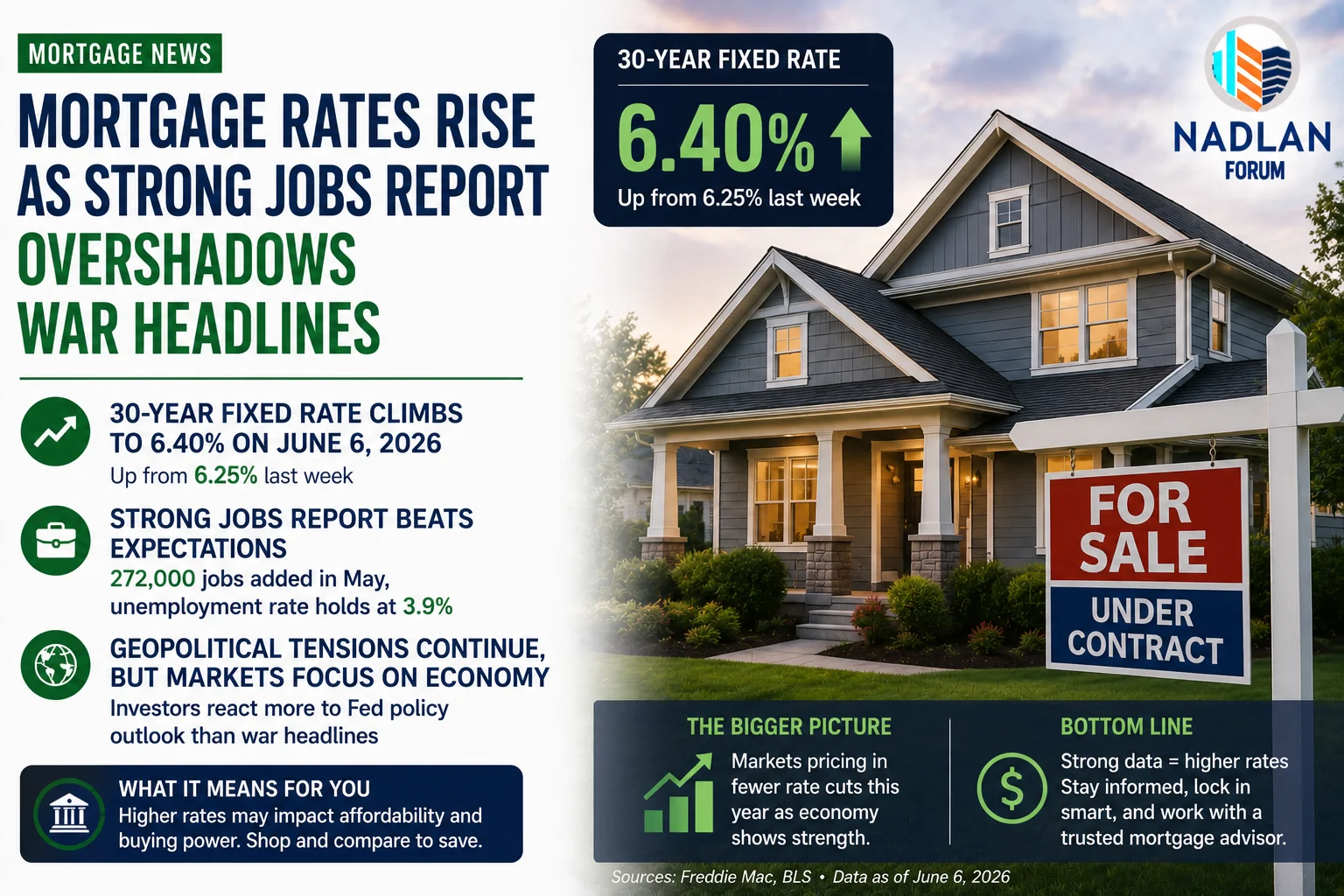
Interest rates play a pivotal role in real estate investment. Fluctuations can impact:
-
Monthly Payments: Higher rates increase monthly costs, affecting cash flow and overall profitability.
-
Investment Decisions: Rising rates may deter potential buyers, impacting property values and investor returns.
-
Market Timing: Understanding interest rate trends can inform your timing for buying or refinancing properties.
Property Investment Tips for Successful Diversification
Investing in property can be a lucrative way to diversify your portfolio. Here are essential tips to enhance your property investment strategy:
1. Research Local Markets
Understanding the local real estate market is crucial. Factors to consider include:
-
Market Trends: Analyze pricing trends, inventory levels, and rental demand.
-
Economic Indicators: Look for job growth, population trends, and infrastructure developments that may affect property values.
2. Consider Different Property Types
Diversifying within real estate can further mitigate risk. Explore various types of properties:
-
Single-Family Homes: Generally easier to manage and sell, attracting a broad market.
-
Multifamily Units: Offer potential for higher cash flow through multiple rental incomes.
-
Commercial Properties: Often provide longer lease terms and stability but require more significant capital and management expertise.
3. Leverage Property Management Services
For investors who prefer a hands-off approach, property management services can be invaluable. These services can assist with:
- Tenant screening and leasing
- Property maintenance and repairs
- Rent collection and financial reporting
By outsourcing these tasks, investors can focus on broader investment strategies while ensuring their properties are well-managed.
4. Network with Other Investors
Building relationships with other investors can provide invaluable insights and opportunities. Consider:
- Joining local real estate investment groups or online forums.
- Attending seminars and workshops to stay updated on industry trends.
- Engaging with experienced investors to learn from their successes and challenges.
The Intersection of Investment Insights and Real Estate
Understanding the principles of portfolio diversification and mortgage insights equips investors with the knowledge necessary to make informed decisions. As the investment landscape continues to evolve, leveraging these insights will be key to achieving financial success.
For those looking to apply these strategies in real estate, Nadlan Capital Group stands ready to support your investment journey. With a focus on providing tailored financing solutions, Nadlan Capital Group can assist you in navigating the complexities of property investment.
Whether you are a seasoned investor or just starting, understanding the nuances of investment insights, especially in the context of property investment, is vital for achieving your financial goals. For personalized assistance and expert guidance, visit Nadlan Capital Group today.






















Responses