
Sustainable Real Estate Trends: Eco-Friendly Properties Rising

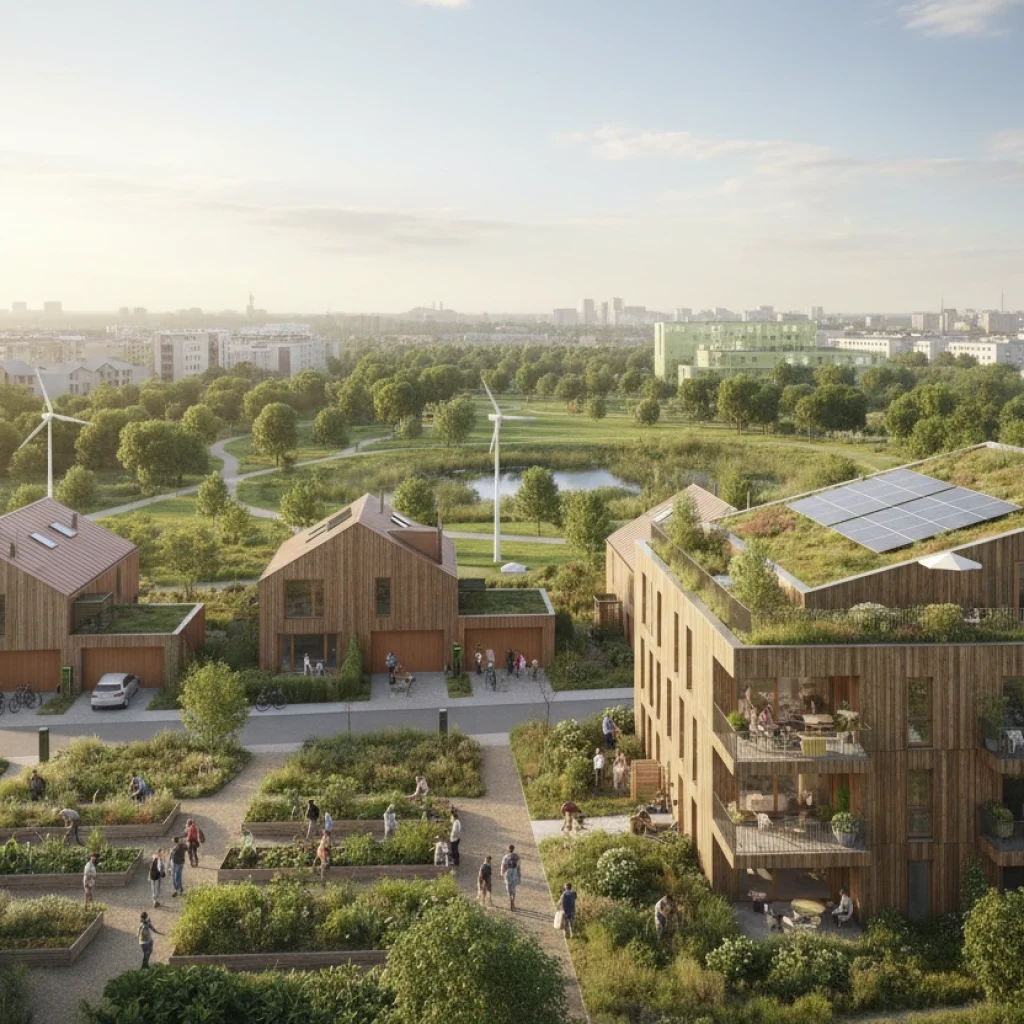
The real estate landscape is undergoing a significant transformation, with sustainability emerging as a defining trend in 2026. Eco-friendly properties are not just a passing fad; they represent a paradigm shift in how we view construction, property management, and investment strategies. With increasing awareness of climate change and environmental responsibility, both consumers and investors are gravitating towards properties that offer sustainable features and practices. This article explores the current real estate trends focusing on eco-friendly properties, the impact of mortgage rates, and effective investment strategies tailored to this evolving market.
Understanding the Shift Towards Sustainable Properties
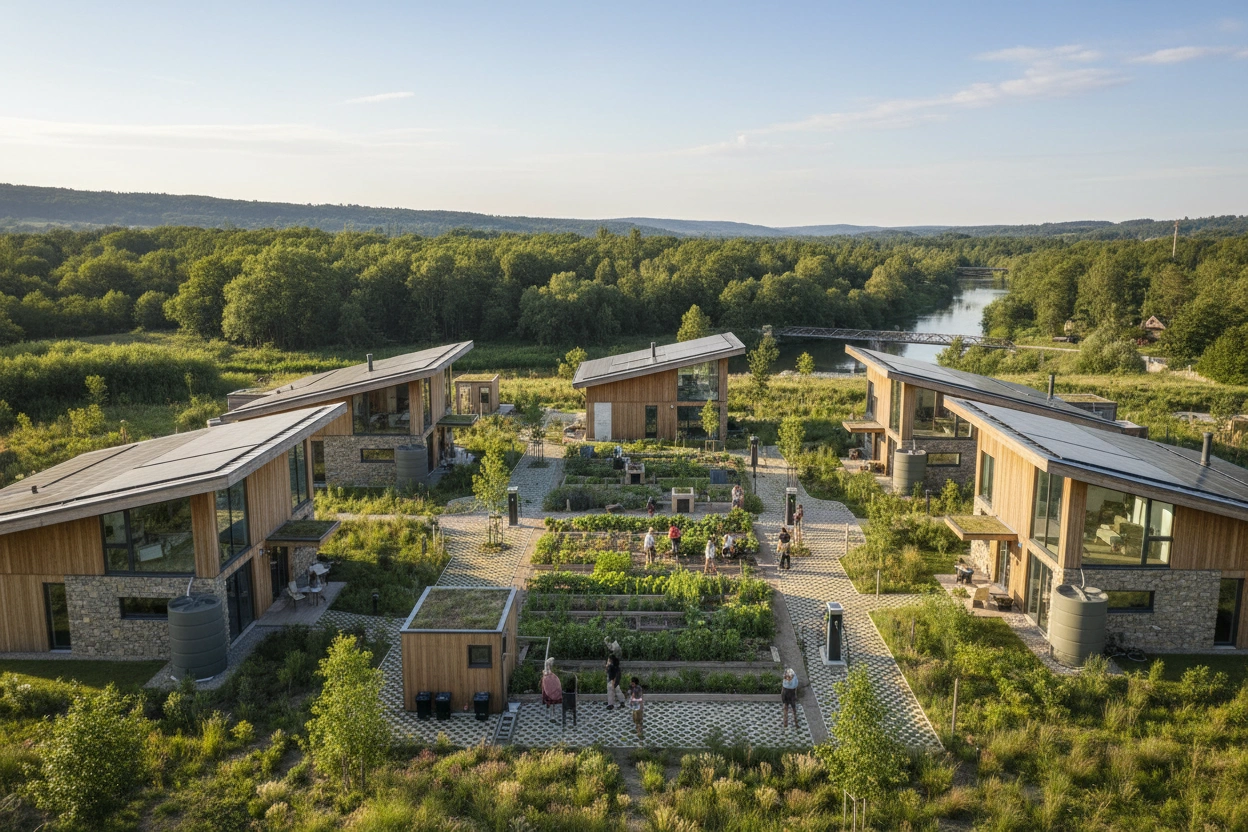
The growing interest in sustainable real estate is driven by multiple factors, including consumer demand, regulatory changes, and economic incentives. Homebuyers and renters are increasingly looking for properties that reflect their values, prioritizing energy efficiency, renewable energy sources, and environmentally friendly materials. This shift is not only about personal preference; it is also influenced by a broader societal push towards sustainability and climate action.
Consumer Demand for Eco-Friendly Features
More than ever, consumers are prioritizing sustainability when making real estate decisions. According to a 2025 survey by the National Association of Realtors, over 70% of buyers expressed a preference for homes with energy-efficient features. This demand is reshaping the market as builders and developers adapt to meet consumer expectations. Features such as solar panels, energy-efficient appliances, and sustainable landscaping are becoming standard rather than optional.
- Homebuyers are willing to pay a premium for eco-friendly homes.
- Properties with green certifications often sell faster than traditional homes.
- Consumers are increasingly informed about sustainability, which drives demand for transparency regarding eco-friendly features.
Regulatory Changes and Economic Incentives
Government policies are also propelling the growth of sustainable real estate. Many regions are implementing stricter building codes aimed at reducing carbon footprints. These regulations often include incentives for developers who incorporate sustainable practices, such as tax credits and grants for energy-efficient upgrades. For instance, the U.S. federal government has expanded programs like the Energy Efficient Mortgage (EEM) program, allowing borrowers to finance energy-efficient improvements as part of their mortgage.
- Local governments are adopting green building codes, promoting energy efficiency in new developments.
- Incentives for renewable energy installations are becoming more prevalent, impacting property values positively.
- The alignment of sustainability with economic benefits is making eco-friendly properties more attractive to developers.
The Impact of Mortgage Rates on Real Estate Trends
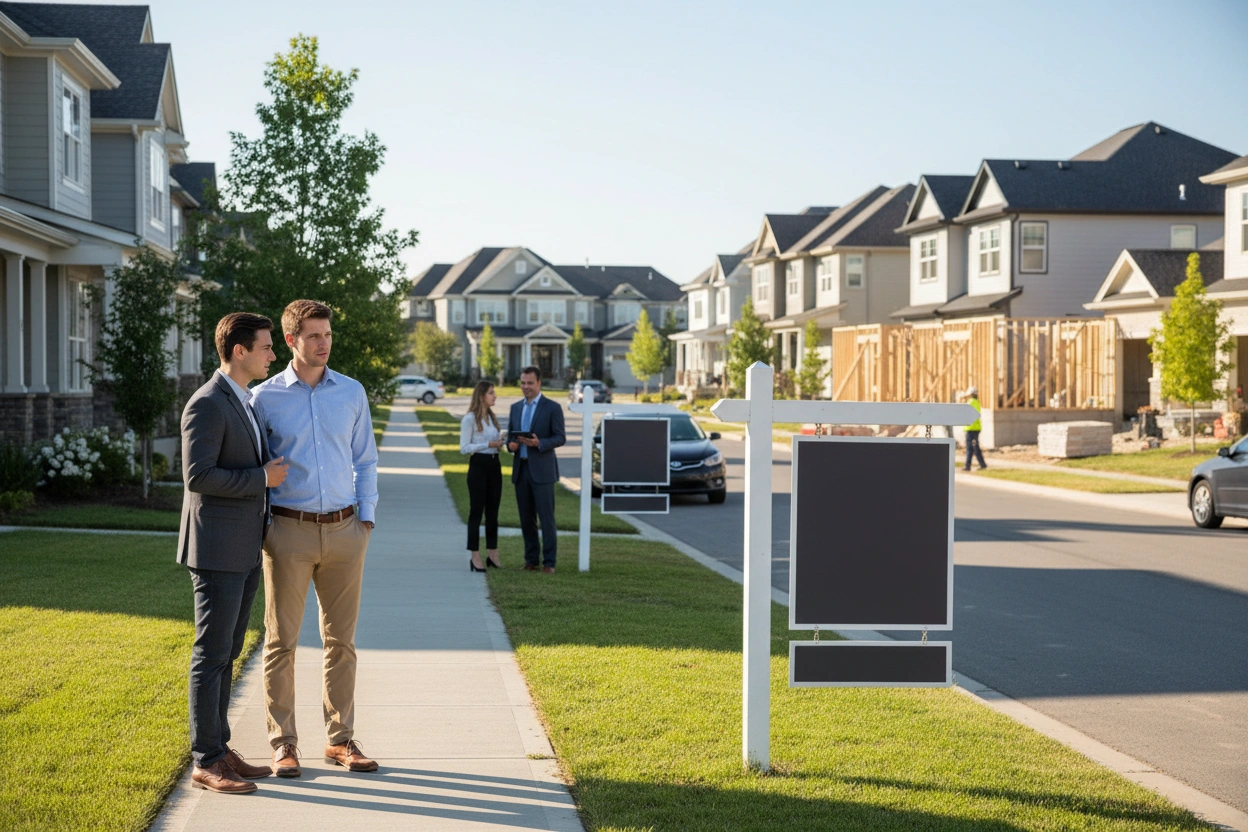
Mortgage rates are a significant factor influencing real estate trends, including the rise of sustainable properties. The relationship between interest rates and housing demand can create fluctuations in the market, affecting both buyers and sellers. Understanding how these rates impact real estate investments is essential for making informed decisions.
Current Mortgage Rate Trends
As of 2026, mortgage rates have stabilized after a period of volatility. The Federal Reserve's policies on interest rates play a critical role in this stabilization. Lower mortgage rates generally encourage homebuying, as they reduce monthly payment obligations. This environment can lead to increased demand for eco-friendly properties, as buyers look for long-term savings associated with energy-efficient features.
- A decrease in mortgage rates can spur demand for homes, including those with sustainable features.
- Buyers may prioritize eco-friendly homes to take advantage of potential energy savings.
- The overall economic outlook influences buyer confidence, impacting the types of properties in demand.
Strategies for Real Estate Investors
Understanding mortgage trends is crucial for investors looking to capitalize on the growing demand for sustainable properties. Here are several strategies that can help investors navigate this evolving landscape:
-
Invest in Energy-Efficient Properties
Focus on acquiring properties that already have energy-efficient features or the potential for upgrades. This can increase the property's value and appeal to environmentally conscious buyers. -
Utilize Green Financing Options
Explore financing options that support sustainable investments, such as green mortgages or loans with favorable terms for energy-efficient upgrades. -
Stay Informed on Regulations
Keep abreast of local and national regulations regarding sustainability in real estate. Understanding these can provide insights into future trends and opportunities for investment. -
Market Sustainability Effectively
When listing properties, highlight eco-friendly features in marketing materials. Buyers are increasingly interested in sustainability, and emphasizing these attributes can differentiate a property in a competitive market.
Eco-Friendly Real Estate Investment Strategies
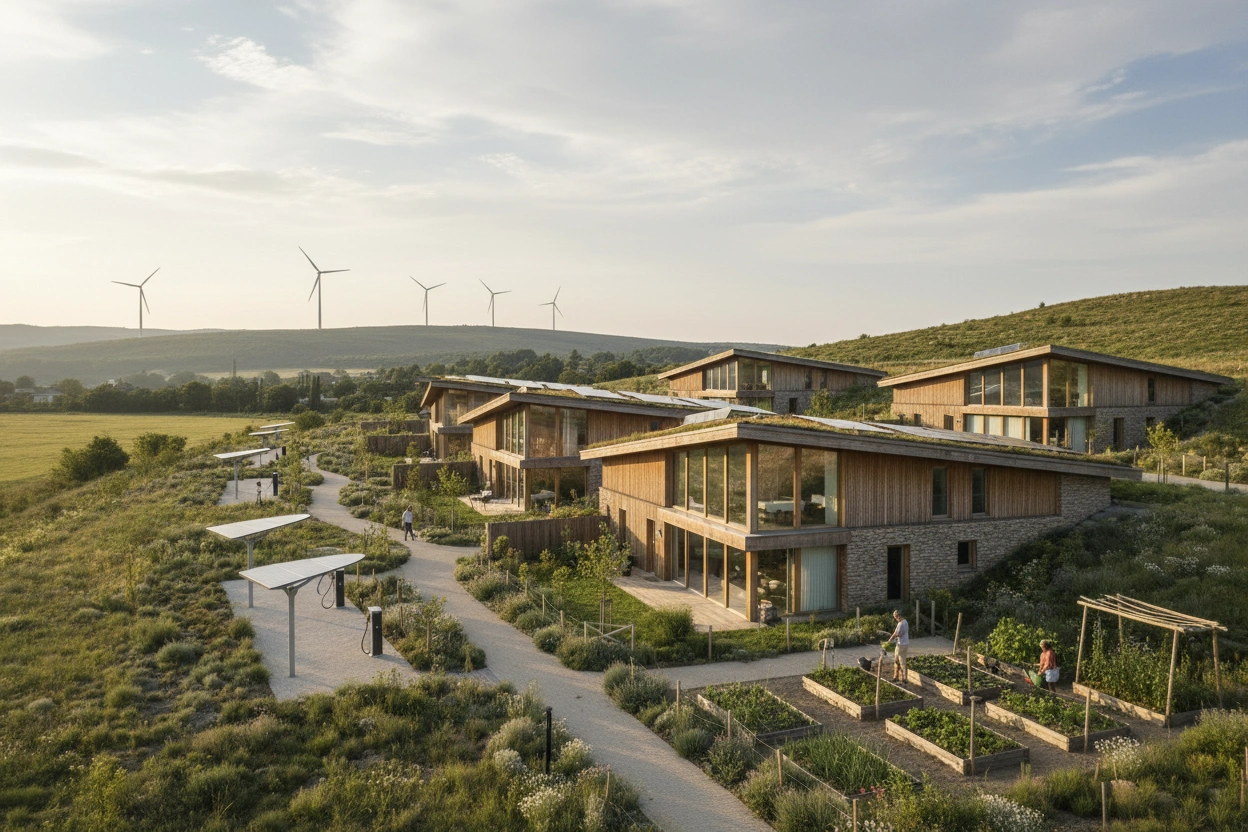
Investing in sustainable real estate requires a strategic approach that aligns with current trends and buyer preferences. Here are effective strategies for real estate investors looking to tap into the eco-friendly market.
Long-Term Investment in Green Properties
Investing in eco-friendly properties is not just about immediate returns; it is also about long-term sustainability and growth potential. Properties designed with sustainability in mind tend to retain their value better during economic downturns.
- Focus on Location: Select properties in areas where sustainability is prioritized, as these markets are likely to grow.
- Upgrade Existing Properties: Consider retrofitting older properties with green technologies to enhance value and appeal.
Short-Term Investment Opportunities
For investors interested in short-term gains, the fix-and-flip strategy can be adapted to focus on eco-friendly renovations. This approach requires a keen understanding of what features appeal most to buyers.
- Target High-Demand Features: Invest in renovations that improve energy efficiency, such as new insulation, windows, or solar panel installations.
- Market to Eco-Conscious Buyers: Utilize marketing strategies that emphasize the benefits of sustainable living to attract buyers quickly.
Building Partnerships with Green Developers
Collaborating with developers who specialize in sustainable construction can provide investors with a competitive edge. These partnerships can lead to exclusive investment opportunities in eco-friendly projects.
- Identify Reputable Developers: Research and connect with developers known for their commitment to sustainability.
- Participate in Joint Ventures: Explore joint ventures that allow investors to share costs and risks associated with green developments.
Common Misconceptions About Eco-Friendly Real Estate
Despite the growing interest in sustainable properties, several misconceptions persist that can deter potential investors and buyers. Addressing these misconceptions is essential for fostering a better understanding of the benefits of eco-friendly real estate.
Misconception 1: Eco-Friendly Homes Are Too Expensive
Many people believe that eco-friendly properties come with a hefty price tag. While some sustainable features may require a higher initial investment, the long-term savings on energy costs often outweigh these upfront expenses. Moreover, the availability of green financing options makes sustainable homes more accessible.
- Long-Term Savings: Energy-efficient homes typically lower utility bills, providing savings over time.
- Incentives Available: Various tax credits and rebates can offset the cost of eco-friendly upgrades.
Misconception 2: Sustainable Features Compromise Quality
Another common misconception is that sustainable features compromise the quality and comfort of a home. In reality, many eco-friendly materials and technologies are designed to enhance a property's durability and livability.
- High-Quality Materials: Sustainable building materials often outperform traditional options in terms of longevity and maintenance.
- Improved Indoor Air Quality: Eco-friendly homes can offer better ventilation and lower levels of indoor pollutants, contributing to healthier living environments.
The Future of Sustainable Real Estate Trends
As we move further into 2026, the trend toward sustainable real estate is expected to gain momentum. The integration of technology, increased consumer awareness, and a focus on climate action will continue to shape the market.
Technological Innovations
Advancements in technology are playing a significant role in the evolution of sustainable real estate. Smart home technologies that improve energy efficiency are becoming more common, offering homeowners greater control over their energy consumption.
- Energy Management Systems: These systems allow homeowners to monitor and optimize their energy use, leading to significant savings.
- Smart Appliances: Energy-efficient appliances equipped with smart technology can further enhance a home's sustainability.
The Role of Community and Collaboration
The future of sustainable real estate will also be shaped by community initiatives and collaboration among stakeholders. Developers, investors, and municipalities will increasingly work together to promote eco-friendly practices and policies.
- Community Development Projects: Collaborative efforts to create sustainable neighborhoods can enhance property values and attract environmentally conscious buyers.
- Public-Private Partnerships: These partnerships can facilitate funding and resources for sustainable development projects.
The Intersection of Sustainable Real Estate and Investment Opportunities
The rise of eco-friendly properties reflects broader real estate trends that are reshaping investment strategies. As a real estate investor or developer, understanding these trends is essential for staying competitive in the market.
Nadlan Capital Group is well-positioned to support investors seeking to navigate the complexities of sustainable real estate. With a focus on eco-friendly properties and innovative financing solutions, Nadlan Capital Group can help you capitalize on this growing trend.
For those looking to invest in sustainable properties or explore financing options tailored to green developments, consider reaching out for more information.
Take Action with Nadlan Capital Group
Sustainable real estate trends are not just a passing phase; they represent a significant shift in how properties are valued and managed. By understanding these trends and leveraging the right investment strategies, you can position yourself for success in the evolving market.
Contact Nadlan Capital Group today to learn how we can assist you in your sustainable real estate endeavors and help you achieve your investment goals.

















Responses