
2027 Federal Budget Plan: Proposed Cuts to Affordable Housing Programs

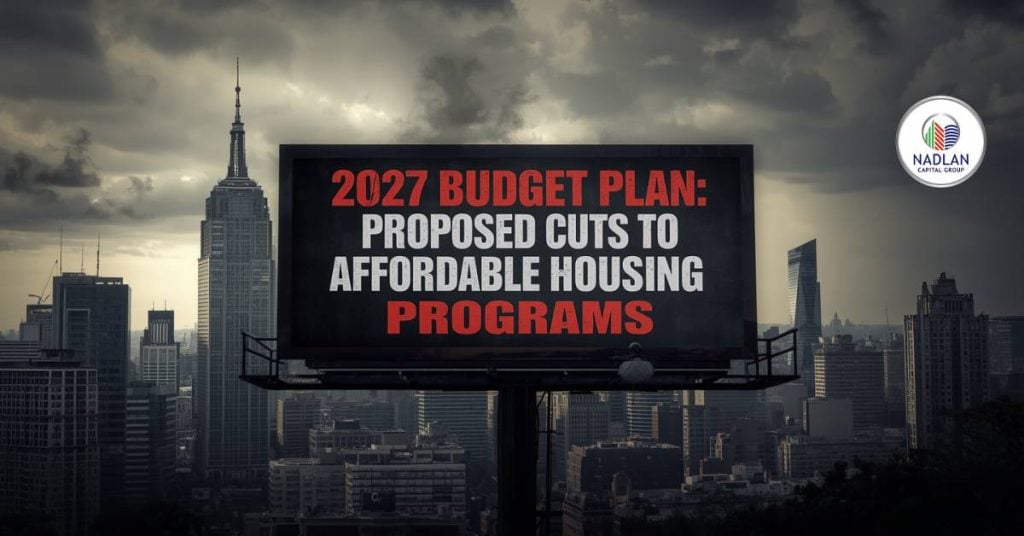
Budget Proposal Shifts Focus Toward Defense Spending
The latest federal budget proposal for fiscal year 2027 outlines a major shift in spending priorities. While defense funding is set to rise significantly, many housing-related programs face reductions or elimination.
According to the National Association of Affordable Housing Lenders, the proposal includes a 10% reduction in non-defense discretionary spending compared to 2026 levels.
Although the budget serves as a starting point for Congress, it signals the administration’s priorities and sets the tone for upcoming funding discussions. Lawmakers in both the House and Senate will review the proposal and develop their own versions in the coming months.
Debate Over Spending Priorities
The proposed budget has sparked debate among policymakers. Some leaders support increased defense spending, arguing it is necessary for national security. Others are concerned about the impact of reducing funding for social and housing programs.
Supporters of the plan say it aims to reduce government spending and focus on core responsibilities. Critics, however, argue that cutting housing and community programs could place additional pressure on low- and moderate-income households.
Members of Congress from both parties have indicated that the final budget may differ significantly from the proposal, as lawmakers negotiate funding levels.
Housing Programs Facing Cuts or Elimination
The proposal includes reductions across several major housing and community development programs. While some programs remain in place, others face deep cuts or are removed entirely.
Programs Proposed for Elimination
Several well-known housing initiatives are set to be eliminated or phased out, including:
- Community Development Block Grants (CDBG)
- HOME Investment Partnerships Program
- Housing counseling services
- Self-sufficiency programs
- Certain homelessness support programs
In addition, programs like the Low Income Home Energy Assistance Program (LIHEAP) and other community support initiatives are also proposed for removal.
These programs have historically played a key role in supporting housing access, neighborhood development, and basic living needs.
Programs That Remain but With Changes
Not all housing programs are being removed. Some major programs are maintained but adjusted:
- Housing Choice Vouchers (Section 8) remain funded, supporting millions of households
- Public housing funding sees a slight increase
- Rental assistance programs continue, though some face modest reductions
Importantly, the proposal does not include plans to combine or restructure major housing assistance programs, which had been suggested in previous budgets.
Reduced Funding Across Key Agencies
Housing and Urban Development (HUD)
Funding for the U.S. Department of Housing and Urban Development is proposed at a lower level than the previous year. While core rental assistance programs remain, many smaller programs face cuts or elimination.
Community Development and Financial Programs
The Community Development Financial Institutions (CDFI) Fund would see a major reduction, with several of its programs removed or replaced with a smaller rural-focused initiative.
Rural Housing Programs
Within the U.S. Department of Agriculture, some housing programs are maintained, but others such as rural housing vouchers—are proposed for elimination.
Health and Human Services (HHS)
The U.S. Department of Health and Human Services budget includes cuts to programs that help households manage energy and living costs, including LIHEAP.
Impact on Affordable Housing Supply
Housing experts warn that reducing funding could affect both the availability and quality of affordable housing. Federal programs often support the construction, maintenance, and operation of housing for low-income households.
Without these funds, fewer new housing projects may be developed, and existing properties may face challenges in maintenance and upgrades. This could increase pressure on already tight housing markets.
In addition, support services such as housing counseling and community development programs help individuals secure and maintain housing. Reducing these services could make it harder for families to navigate the housing system.
Concerns From Housing Organizations
Industry groups and housing advocates have raised concerns about the proposed changes. They argue that these programs have strong support because they address real needs in communities across the country.
Leaders in the housing sector point out that federal funding plays a key role in keeping housing accessible, especially for vulnerable populations such as seniors, people with disabilities, and low-income families.
They also note that similar cuts proposed in previous budgets were reversed by Congress, suggesting that the final outcome may again differ from the initial proposal.
What Happens Next
The budget proposal is only the first step in the federal funding process. Congress has the authority to approve, modify, or reject the proposed changes.
In the coming months, committees will hold hearings, review program impacts, and negotiate funding levels. The final budget will reflect a balance between different priorities, including defense, housing, and social programs.
Final Thoughts
The 2027 budget proposal highlights a shift in federal priorities, with increased defense spending and reduced funding for many housing programs.
While some core housing assistance programs remain in place, the proposed cuts could have significant effects on affordable housing availability and community support services.
As the budget moves through Congress, the outcome will play an important role in shaping the future of housing policy and affordability in the United States. For direct financing consultations or mortgage options for you visit 👉 Nadlan Capital Group.























Responses