
Trump Orders $200 Billion Mortgage Bond Purchase to Push Rates Lower

President Donald Trump said Friday that he has directed Fannie Mae and Freddie Mac to buy $200 billion worth of mortgage-backed securities, a move he says will help bring mortgage rates and monthly housing payments down.
Trump made the announcement in a social media post, arguing that the two government-backed mortgage firms have ample cash and should use it to support housing affordability. Shortly after the post, Bill Pulte, head of the Federal Housing Finance Agency, confirmed the plan, writing that Fannie and Freddie would move forward with the purchases.
How the Plan Is Meant to Work
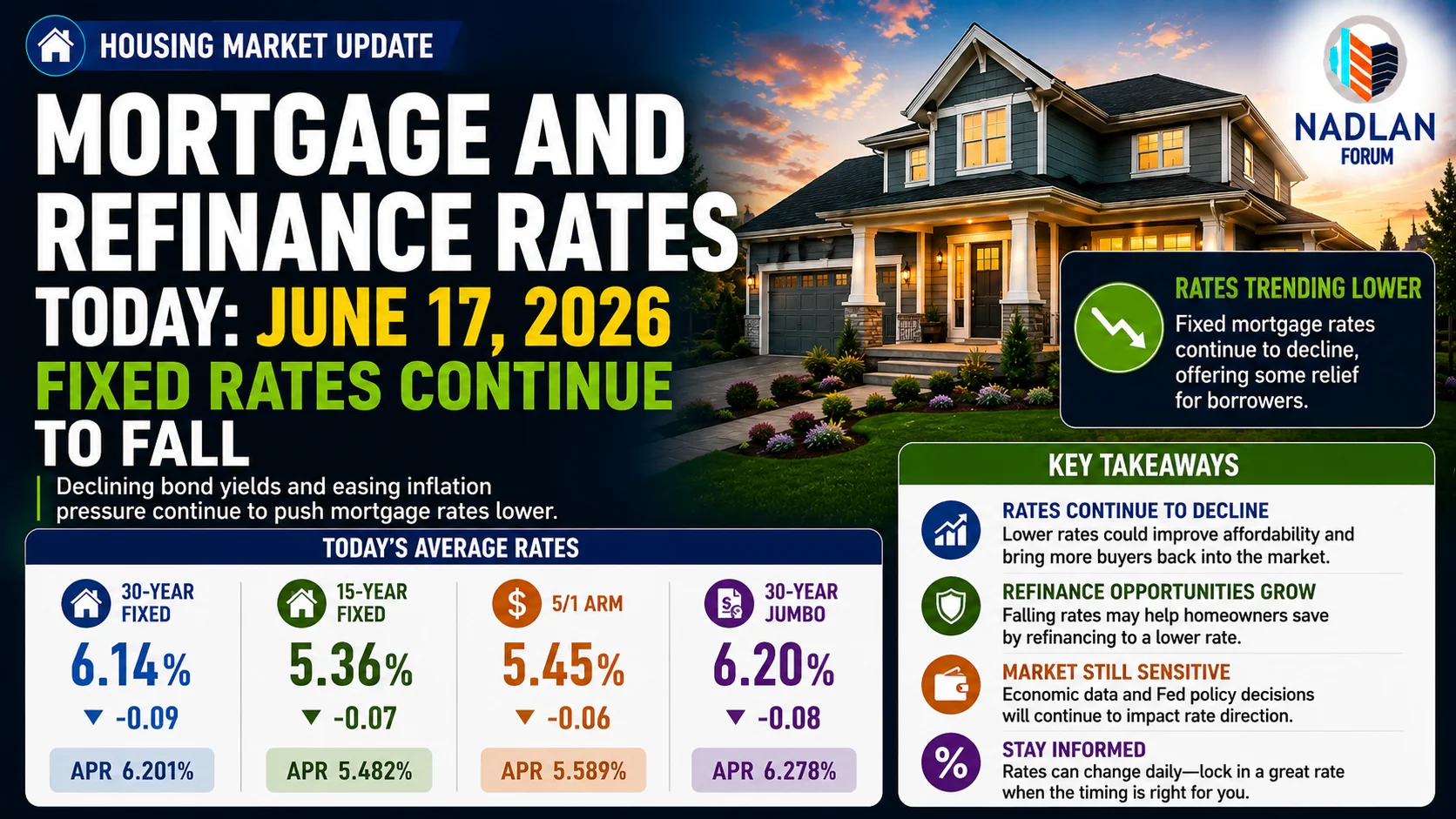
Mortgage-backed securities play a major role in setting mortgage rates. When large buyers step in, demand rises, yields fall, and mortgage rates often move lower. The administration’s view is that a large, targeted purchase could give buyers near-term relief at a time when affordability remains stretched.
Markets reacted calmly at first, though the 10-year Treasury yield slipped slightly after the announcement — a signal investors expect some downward pressure on rates.
Questions About Fannie and Freddie’s Future
The move may also complicate ongoing discussions about whether Fannie Mae and Freddie Mac should eventually return to the public markets. According to MarketWatch, a large bond-buying directive suggests the administration may prefer keeping the firms under government control, where they have remained since the 2008–2009 financial crisis.
Earlier in the day, Pulte said the White House is still weighing options on a possible public offering for the two firms, but no decision has been finalized.
Not the First Time Mortgage Bonds Were Used
Buying mortgage bonds to lower borrowing costs isn’t new. The Federal Reserve used similar tactics during past downturns through quantitative easing, though the Fed operates independently and cannot be directed by the president. The U.S. Treasury also stepped in during the housing crisis more than a decade ago to stabilize markets.
Historically, mortgage rates tend to track long-term Treasury yields more closely than mortgage bond yields alone, which means the impact of this move may be limited unless broader market conditions cooperate.
Experts See Short-Term Help, Long-Term Risks
Some industry leaders say the plan could provide modest, short-lived relief.
Michelle Parkinson, senior vice president of capital markets at AD Mortgage, said the added demand could ease rates in the near term, helping buyers handle high home prices. But she noted that if the purchases are one-time, rates could drift back up as markets adjust to inflation, growth, and bond supply.
Others raised concerns about risk. Michael Bright, CEO of the Structured Finance Association, said the move could slightly lower rates but exposes Fannie and Freddie to market swings similar to the risks that hurt them during the last housing crash.
Part of a Broader Housing Push
The bond purchase order follows other housing-related signals from the White House, including talk of restricting institutional investors from buying single-family homes and rolling out additional affordability proposals ahead of the 2026 elections.
For now, borrowers may see some near-term support for mortgage rates, but analysts caution that lasting relief will likely depend on inflation, job growth, and overall bond market conditions not just one large purchase. For direct financing consultations or mortgage options for you visit 👉 Nadlan Capital Group.



























Responses