
Builder Sentiment Improves in May: Housing Affordability Still a Major Problem

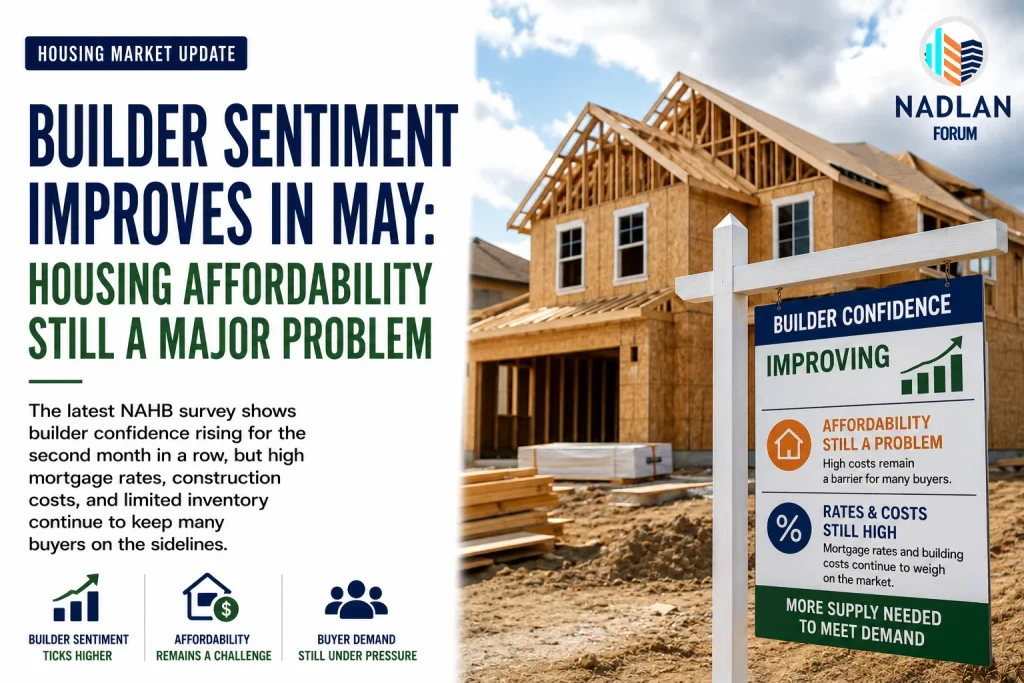
U.S. homebuilder confidence showed modest improvement in May, but the housing market continues facing pressure from high mortgage rates, rising construction costs, and affordability concerns.
According to the latest National Association of Home Builders (NAHB) and Wells Fargo Housing Market Index, builder sentiment increased by three points in May to reach 37.
While the gain signals some stabilization in the market, the reading still remains well below the neutral level of 50, meaning more builders continue to view housing conditions as poor rather than good.
The report highlights the difficult balance builders are facing in 2026 as buyers struggle with higher borrowing costs while developers continue managing expensive land, labor, and material prices.
Builder Confidence Remains Below Normal Levels
The NAHB Housing Market Index measures builder perceptions of:
- Current home sales
- Buyer traffic
- Future sales expectations
Any reading above 50 indicates positive sentiment, while readings below 50 suggest weaker market conditions.
At 37, the latest number shows that confidence improved slightly compared to April but remains historically weak for the spring homebuying season.
Builders say affordability remains one of the biggest problems limiting demand.
Mortgage Rates Continue Hurting Buyer Activity
Higher mortgage rates remain a major challenge for both builders and buyers.
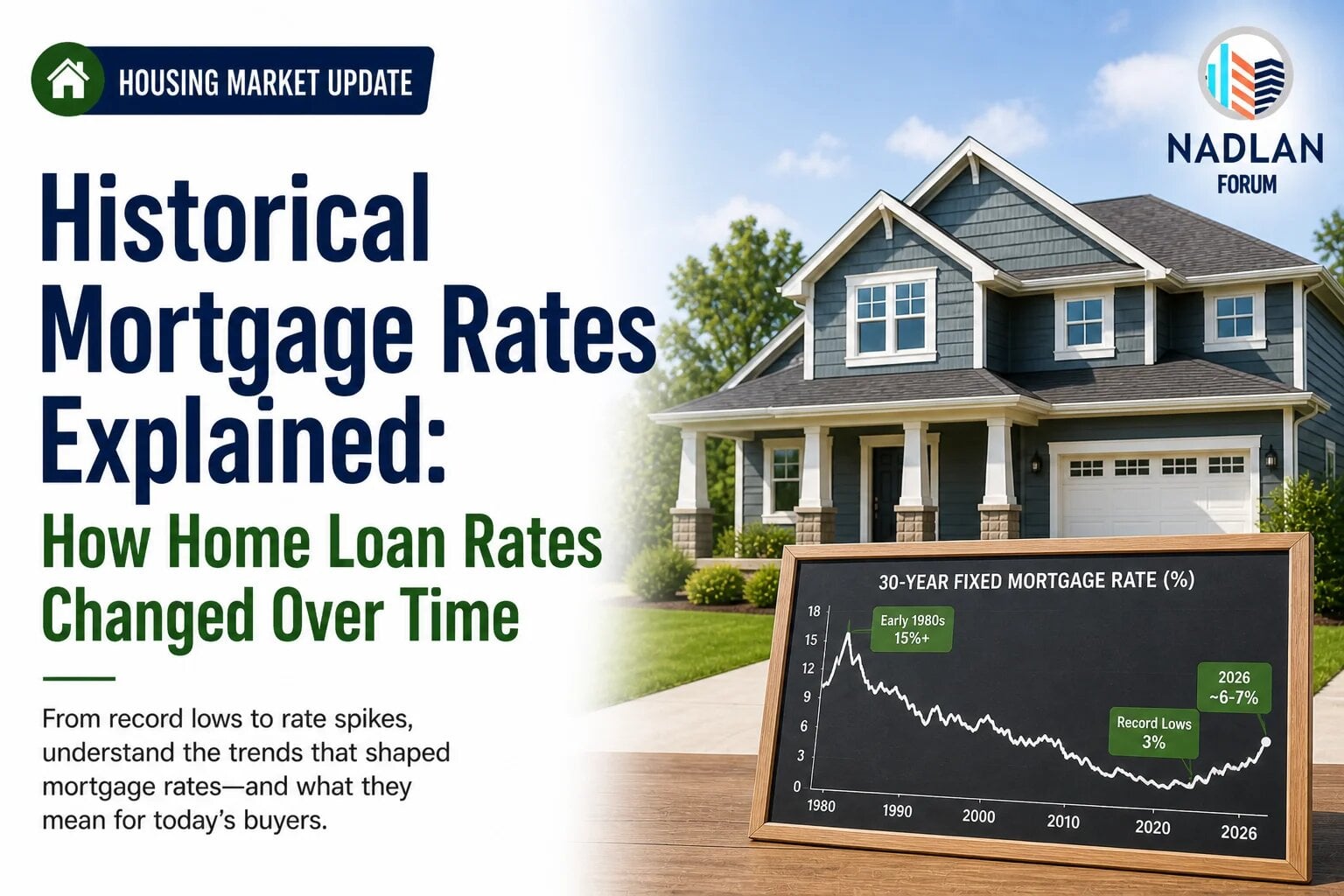
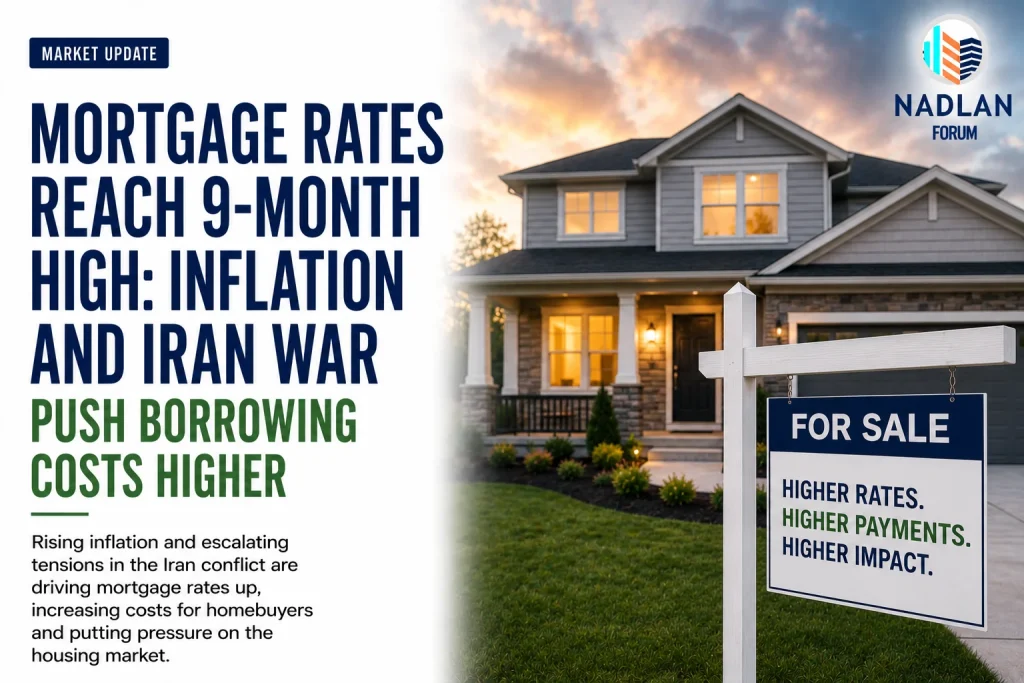
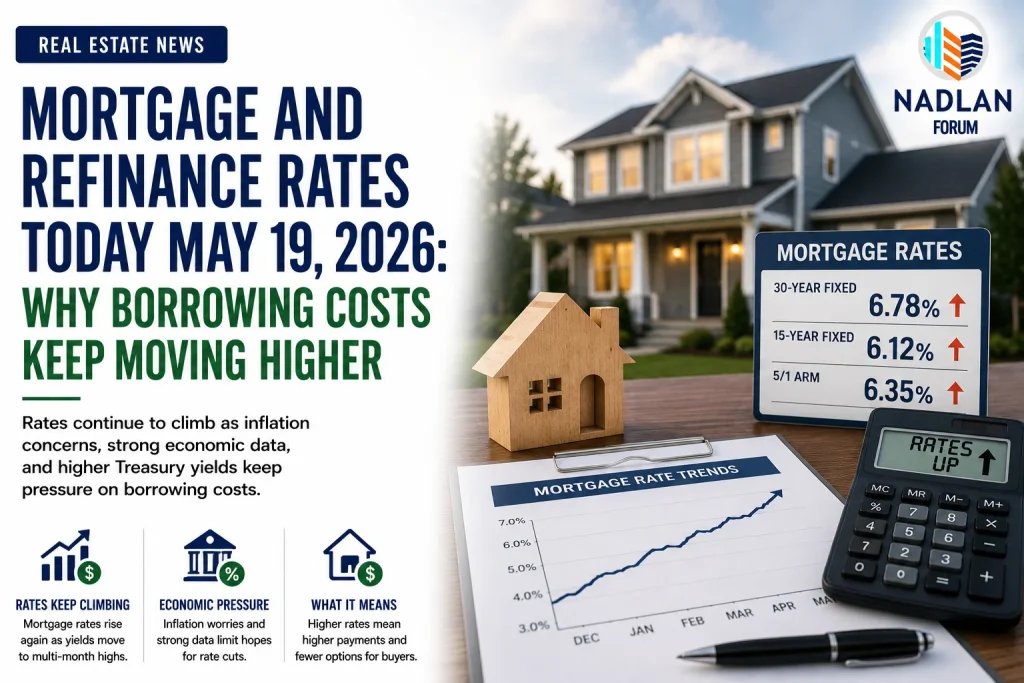
Mortgage borrowing costs have moved back above 6% in recent weeks as inflation concerns and economic uncertainty continue pressuring bond markets.
That increase in rates has significantly reduced affordability for many households.
Even small changes in mortgage rates can dramatically affect monthly housing payments, especially with home prices still elevated across many regions.
Builders say many buyers continue delaying purchases because of:
- High monthly payments
- Economic uncertainty
- Inflation concerns
- Rising living expenses
Iran War and Inflation Add More Pressure
The housing market is also being affected by broader economic developments tied to the ongoing Iran conflict and rising energy prices.
Higher oil prices have pushed inflation higher throughout the economy, increasing costs for:
- Construction materials
- Transportation
- Manufacturing
- Home utilities
Builders say those rising expenses are making projects more difficult to price and complete profitably.
Consumers are also feeling pressure from higher gasoline, food, and insurance costs, leaving less room in household budgets for home purchases.
Some Buyers Are Returning to the Market
Despite ongoing challenges, the report showed some buyers who had previously paused their home search are beginning to re-enter the market.
All three major builder sentiment components improved in May:
- Current sales conditions rose to 40
- Future sales expectations increased to 45
- Buyer traffic improved to 25
While these numbers remain relatively low, builders say there are early signs that some buyers are adapting to current mortgage rate levels.
Spring and summer are traditionally the busiest periods for housing activity, and seasonal demand may also be helping support modest improvements.
Builders Continue Offering Incentives
To attract buyers, many builders are still using price reductions and sales incentives.
According to the report:
- 32% of builders cut home prices in May
- Average price reductions increased to 6%
- 61% of builders offered incentives
This marks the 14th straight month where more than 60% of builders used buyer incentives.
Common incentives include:
- Mortgage rate buydowns
- Closing cost assistance
- Free upgrades
- Appliance packages
- Flexible financing options
Builders are using these tools to help offset affordability concerns without dramatically lowering base home prices.
Construction Costs Remain Elevated
Even though inflation has slowed from earlier peaks, builders continue facing high operating costs.
Major expenses affecting the industry include:
- Land acquisition costs
- Labor shortages
- Insurance expenses
- Material pricing volatility
- Financing costs
Many builders say profit margins remain under pressure because construction expenses have stayed elevated while buyer demand remains uneven.
Labor shortages also continue slowing project timelines in some regions.
Regional Housing Markets Show Different Trends
The report showed that housing conditions vary significantly across the country.
The Midwest and Northeast posted slight improvements in builder sentiment, while the West continued weakening.
Regional builder sentiment scores included:
- Midwest: 43
- Northeast: 42
- South: 35
- West: 28
Builders say some Midwest markets continue benefiting from relatively stronger affordability compared to expensive coastal areas.
Meanwhile, parts of the West remain challenged by very high home prices and slower demand.
Housing Supply Remains a Long-Term Concern
Industry groups continue warning that the United States still faces a long-term housing shortage.
Years of underbuilding following the 2008 housing crash contributed to limited inventory in many areas.
Although construction activity increased during the pandemic housing boom, builders say current conditions are making it harder to fully close the supply gap.
High borrowing costs for developers and buyers alike continue slowing the pace of new construction growth.
Proposed Housing Legislation Could Help Supply
Builders are also closely watching housing legislation currently moving through Congress.
Industry leaders believe parts of the proposed 21st Century ROAD to Housing Act could help improve supply conditions if approved.
Potential measures include:
- Reducing certain development restrictions
- Encouraging additional housing construction
- Expanding infrastructure funding
- Supporting zoning reform efforts
Builders argue that increasing housing inventory remains one of the most important long-term solutions for affordability challenges.
Affordability Remains the Biggest Obstacle
Despite the slight improvement in sentiment, affordability remains the central issue across the housing market.
Home prices are still historically elevated in many metro areas, while mortgage rates remain far above pandemic-era lows.
Combined, these factors continue pushing monthly housing payments higher for buyers.
Many households that could comfortably afford homes several years ago are now struggling to qualify for mortgages at current rates.
New Construction Still Plays Important Role
Even with slower market conditions, new construction remains critical to overall housing supply.
Builders continue adding inventory in markets where existing home supply remains limited.
Newly built homes also often include:
- Better energy efficiency
- Lower maintenance costs
- Modern layouts
- Updated building standards
Some buyers are increasingly considering new homes because builders are more willing to negotiate pricing and financing incentives than traditional sellers.
Housing Market Outlook for the Rest of 2026
The housing market outlook for the second half of 2026 remains uncertain.
Several factors will likely shape builder confidence moving forward:
- Mortgage rate direction
- Inflation trends
- Federal Reserve policy
- Labor market strength
- Consumer confidence
- Oil prices and geopolitical risks
If mortgage rates stabilize or decline later this year, builders could see stronger buyer activity.
However, if inflation continues rising and rates remain elevated, affordability pressures may continue limiting housing demand.
For now, builders appear cautiously hopeful that buyer activity could gradually improve, even as the industry continues navigating one of the most challenging affordability environments in years. For direct financing consultations or mortgage options for you visit 👉 Nadlan Capital Group.























Responses