
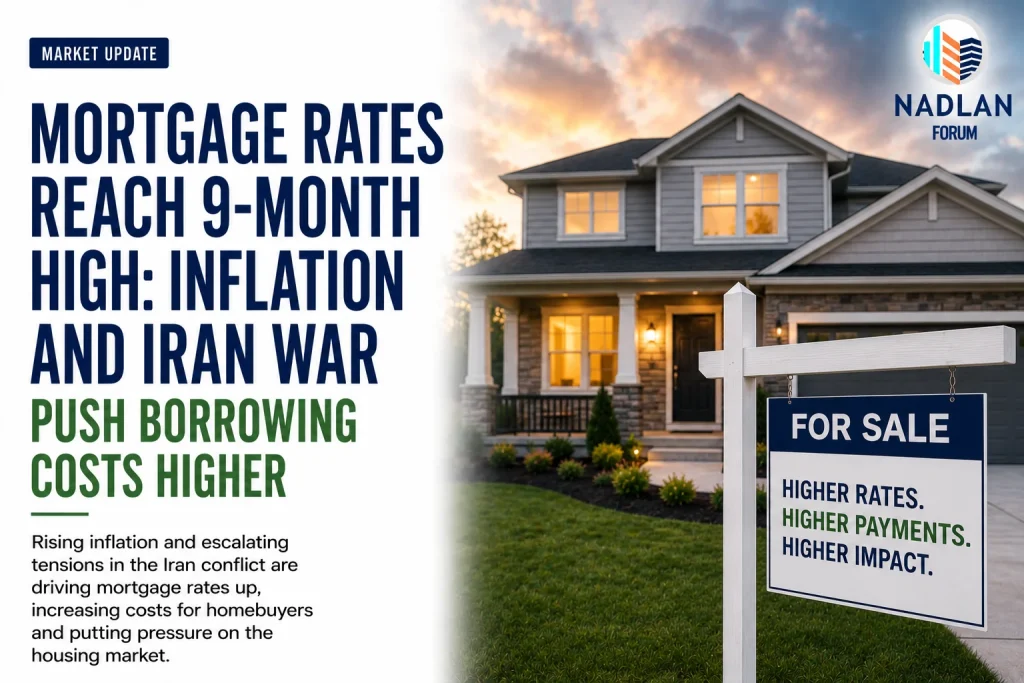
Mortgage Rates Rise Again: What Homebuyers Should Expect This Week

Mortgage rates continued climbing this week as investors reacted to inflation concerns, Federal Reserve policy expectations, and uncertainty surrounding the broader economy.
According to the latest Zillow lender marketplace data, nearly all major mortgage loan types moved higher compared to last week, adding more pressure for homebuyers already dealing with elevated housing prices and affordability challenges.
The average 30-year fixed mortgage rate increased to 6.41%, while adjustable-rate mortgages also posted noticeable gains.
The recent rise in borrowing costs comes as markets continue responding to stronger inflation data and growing expectations that the Federal Reserve may keep interest rates elevated for longer than previously expected.
Current Mortgage Rates for May 18, 2026
Here are the latest national average mortgage rates:
- 30-year fixed: 6.41%
- 20-year fixed: 6.07%
- 15-year fixed: 5.80%
- 5/1 ARM: 6.63%
- 7/1 ARM: 6.21%
- 30-year VA: 5.83%
- 15-year VA: 5.49%
- 5/1 VA: 5.47%
Refinance rates also remain elevated:
- 30-year refinance: 6.29%
- 20-year refinance: 6.19%
- 15-year refinance: 5.76%
- 5/1 ARM refinance: 6.34%
- 7/1 ARM refinance: 6.39%
While rates are still below some of the peaks seen earlier in 2025, they remain significantly higher than levels many homeowners locked in during the pandemic years.
Inflation Continues Driving Mortgage Rates Higher
Mortgage rates are heavily influenced by inflation and Treasury bond yields.
Recent economic reports showed inflation remains stubbornly high across several areas of the economy, especially energy, services, and housing-related costs.
Consumer prices and wholesale inflation both accelerated sharply during April, causing investors to rethink expectations for future Federal Reserve rate cuts.
Markets that once expected lower rates later in 2026 are now increasingly considering the possibility of additional rate hikes if inflation remains elevated.
As inflation expectations rise, bond yields also tend to move higher, which directly impacts mortgage rates.
Federal Reserve Policy Remains a Major Factor
The Federal Reserve does not directly set mortgage rates, but its policy decisions strongly influence borrowing costs throughout the economy.
Recent comments from Fed officials suggest many policymakers remain cautious about cutting rates too early while inflation is still above the central bank’s 2% target.
Some investors now believe the Fed may hold rates steady for much longer than previously expected, while others see a chance of additional tightening later this year if inflation pressures worsen.
That uncertainty has created volatility in both Treasury markets and mortgage pricing.
30-Year Mortgage Rates Stay Above 6%
The 30-year fixed mortgage remains the most popular option for homebuyers because it provides predictable monthly payments over a long repayment period.
However, today’s higher rates continue affecting affordability.
For example, a borrower taking out a $300,000 mortgage at today’s average 30-year fixed rate of 6.41% would face:
- Monthly principal and interest payments of about $1,878
- More than $376,000 in total interest over the life of the loan
That represents a major increase compared to borrowers who secured rates below 3% just a few years ago.
15-Year Loans Offer Lower Rates but Higher Payments
Many buyers looking to reduce long-term interest costs continue considering 15-year fixed mortgages.
At today’s average 5.80% rate, a $300,000 mortgage would result in:
- Monthly payments around $2,499
- Total lifetime interest of roughly $149,869
Although the monthly payment is much higher, borrowers save a significant amount in total interest and pay off the loan much faster.
For financially stable buyers, shorter-term mortgages may still offer long-term savings despite today’s elevated rate environment.
Adjustable-Rate Mortgages Regaining Attention
Adjustable-rate mortgages, commonly called ARMs, are also attracting attention as buyers search for ways to lower upfront monthly costs.
With a 5/1 ARM, borrowers receive a fixed rate for the first five years before the rate begins adjusting annually.
However, recent market conditions have reduced one of the biggest advantages of ARMs.
In many cases, ARM rates are now similar to — or even higher than — traditional fixed mortgage rates.
That has made many buyers cautious about taking on future payment uncertainty without receiving much immediate savings.
Housing Affordability Still a Challenge
Even though inventory has improved in several housing markets, affordability remains one of the biggest obstacles for buyers.
Higher mortgage rates have significantly increased monthly payments over the past two years.
Combined with still-elevated home prices, many buyers continue delaying purchases or lowering their budgets.
At the same time, sellers remain hesitant to list homes because many already hold mortgages with rates far below today’s levels.
That “lock-in effect” continues limiting housing supply in many regions.
Refinance Activity Remains Limited
Refinancing activity also remains relatively weak compared to previous years.
Most homeowners currently have mortgage rates much lower than current market rates, making refinancing financially unattractive in many cases.
Still, some borrowers continue refinancing to:
- Consolidate debt
- Switch loan terms
- Access home equity
- Move from adjustable to fixed rates
VA refinance loans continue offering some of the lowest average rates available in today’s market.
What Could Happen Next With Mortgage Rates?
Mortgage rates in the coming weeks will likely depend on several key factors:
- Inflation reports
- Federal Reserve comments
- Treasury bond movements
- Oil prices and geopolitical tensions
- Labor market data
Recent inflation reports have complicated the outlook for lower borrowing costs in 2026.
Some economists now believe rates could remain near current levels for much longer than previously expected.
Others argue that if inflation begins cooling again later this year, mortgage rates could stabilize or gradually move lower.
For now, volatility remains high.
Buyers Continue Looking for Ways to Save
As rates stay elevated, many buyers are searching for ways to improve affordability.
Common strategies include:
- Increasing down payments
- Improving credit scores
- Paying down debt
- Comparing multiple lenders
- Using mortgage buydown programs
- Exploring adjustable-rate products carefully
Some buyers are also considering smaller homes or more affordable metro areas to offset higher financing costs.
Housing Market Faces Mixed Conditions
The broader housing market remains in an unusual position.
Demand has improved modestly in some regions due to a stronger labor market and stabilizing economic conditions.
At the same time, high borrowing costs continue limiting affordability for many households.
Some local markets are becoming more balanced between buyers and sellers, while others still face inventory shortages or slowing demand.
Regional differences remain significant across the United States.
Mortgage Outlook for the Rest of 2026
Most forecasts still expect mortgage rates to stay above 6% through much of 2026.
Industry groups such as the Mortgage Bankers Association and Fannie Mae currently project rates hovering near current levels into 2027.
However, much depends on inflation trends and Federal Reserve policy decisions over the next several months.
If inflation continues accelerating, rates could move even higher.
If inflation finally cools and economic growth slows, mortgage rates may eventually ease.
For now, homebuyers, homeowners, lenders, and investors remain focused on every major inflation and economic report as markets search for clearer direction. For direct financing consultations or mortgage options for you visit 👉 Nadlan Capital Group.























Responses