
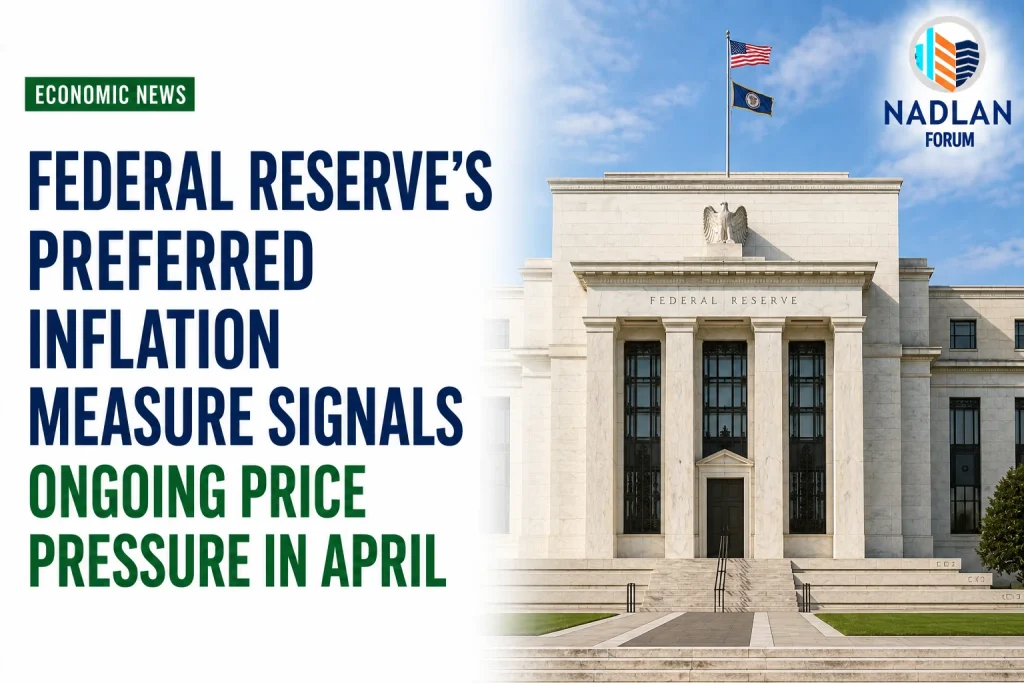
Core Inflation Hits 3.4% in May 2026: Fed’s Preferred Gauge at Highest Since 2023

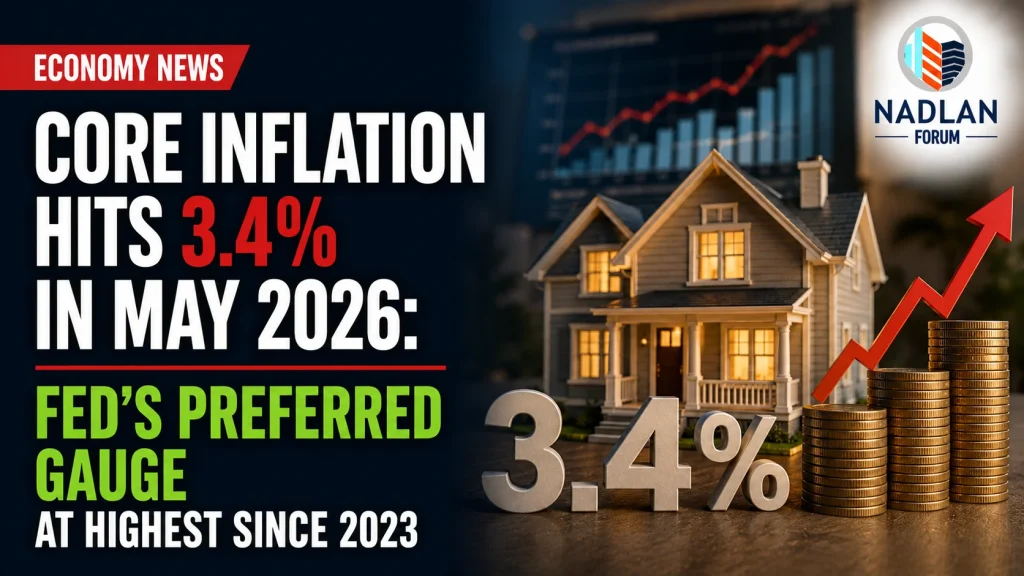
The U.S. core personal consumption expenditures (PCE) price index climbed to 3.4% annually in May 2026, marking the highest reading since October 2023. This measure, which excludes volatile food and energy prices, is the Federal Reserve’s preferred gauge for long-term inflation trends.
The broader PCE index, covering all items, rose 4.1% year-over-year, the strongest pace since April 2023. Monthly, the core PCE increased 0.3%, while overall inflation accelerated 0.4%.
Inflation Drivers
Energy prices were the largest contributor to monthly gains, up 4%, driven in part by geopolitical tensions related to the Iran conflict. Housing costs rose 0.3%, and financial services and insurance saw a 1.2% increase.
Heather Long, Chief Economist at Navy Federal Credit Union, commented: “Inflation is at a 3-year high due to the war in Iran and it’s painful for middle-class and moderate-income Americans. Gas, healthcare, and utility costs are all rising. The new Fed Chair, Kevin Warsh, has made his commitment clear to bring inflation down.”
Consumer Spending Remains Strong
Despite elevated prices, consumer spending exceeded expectations. Personal consumption expenditures rose 0.7% for May, above the 0.6% forecast, while personal income also increased 0.7%, surpassing projections. The personal saving rate climbed to 3%, reflecting a modest increase in household buffers.
Gross domestic product (GDP) growth was revised upward to a seasonally adjusted annualized rate of 2.1% for the first quarter, up from the previous 1.6% estimate and above the forecasted 1.7%. The revision largely reflects a downward adjustment to imports, which reduces GDP calculations.
Federal Reserve Response
The recent inflation report reinforces the Fed’s hawkish stance. Officials have emphasized price stability after missing the 2% inflation target for five consecutive years. At the June Federal Open Market Committee meeting, the Fed removed previously suggested rate cuts and signaled a likelihood of future hikes.
While the Fed generally looks through supply-driven spikes, including energy-related increases, concerns are growing that inflationary pressures are spreading more broadly across goods and services, including tariff-driven cost increases.
Labor Market and Jobless Claims
Labor market indicators remain solid. Initial jobless claims fell to 215,000 for the week ending June 20, down from 227,000 the prior week and better than the estimate of 223,000. This data supports a resilient employment picture alongside persistent inflationary pressures.
Market Implications
Treasury yields fell slightly after the release, while stock futures held in positive territory. Traders continue to expect a Federal Reserve rate hike in September, although the probability of an increase has decreased slightly compared to earlier projections.
Bottom Line
Core inflation in May 2026 reached 3.4%, the highest level since late 2023, with headline PCE at 4.1%. Despite higher prices, consumer spending remains strong, suggesting that households are continuing to support economic growth. The data highlights ongoing inflationary pressures and reinforces expectations for the Federal Reserve to maintain a cautious approach to interest rate policy. For direct financing consultations or mortgage options for you visit 👉 Nadlan Capital Group.

























Responses