
June 25, 2026 Mortgage Rates Update: Stable Rates Amid Geopolitical Uncertainty


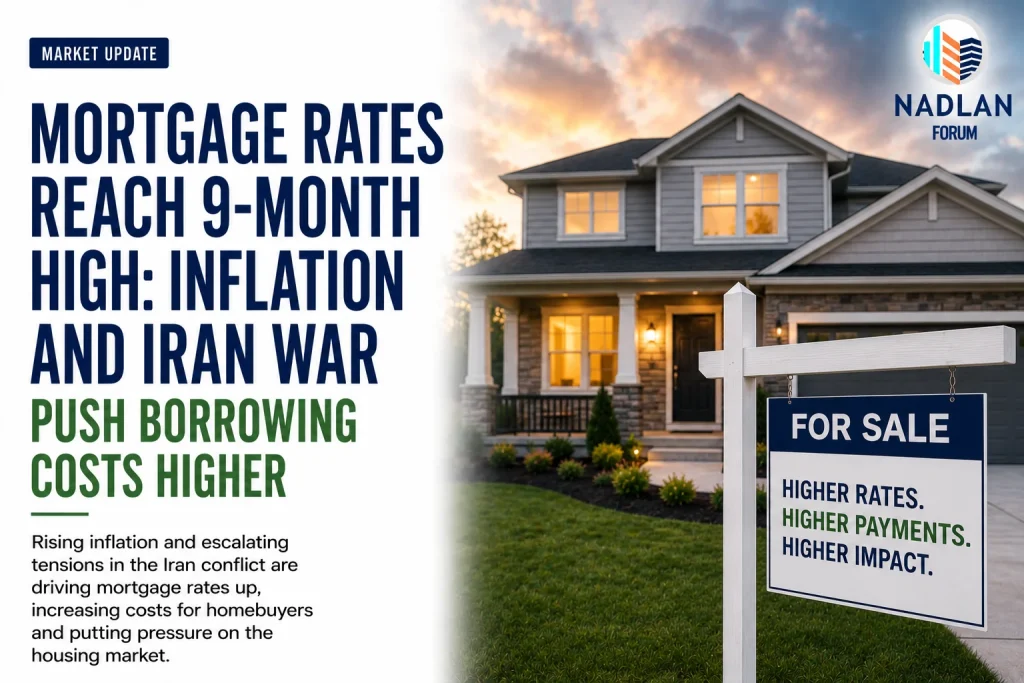
Mortgage rates stayed largely flat this week amid mixed signals from peace talks between the U.S. and Iran and ongoing economic data, according to recent Freddie Mac and Zillow readings.
The average 30-year fixed-rate mortgage remained near 6.49% this week, little changed from last week’s 6.47%. Rate volatility earlier in the month reflected a balance between geopolitical developments, Federal Reserve policy guidance, and oil price fluctuations.
Why Rates Haven’t Moved Significantly
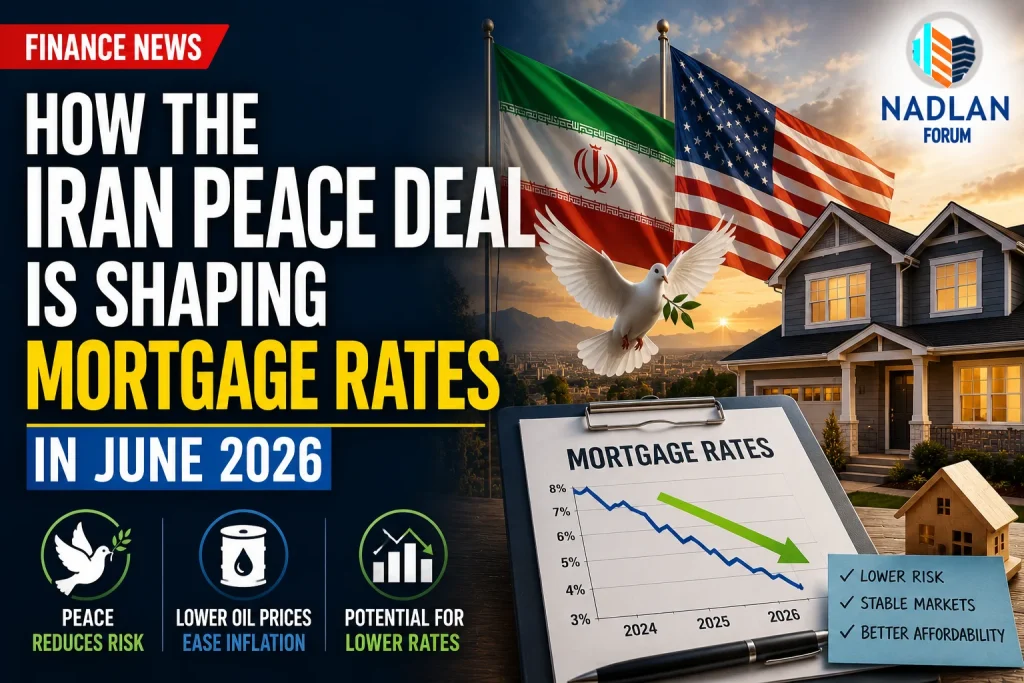
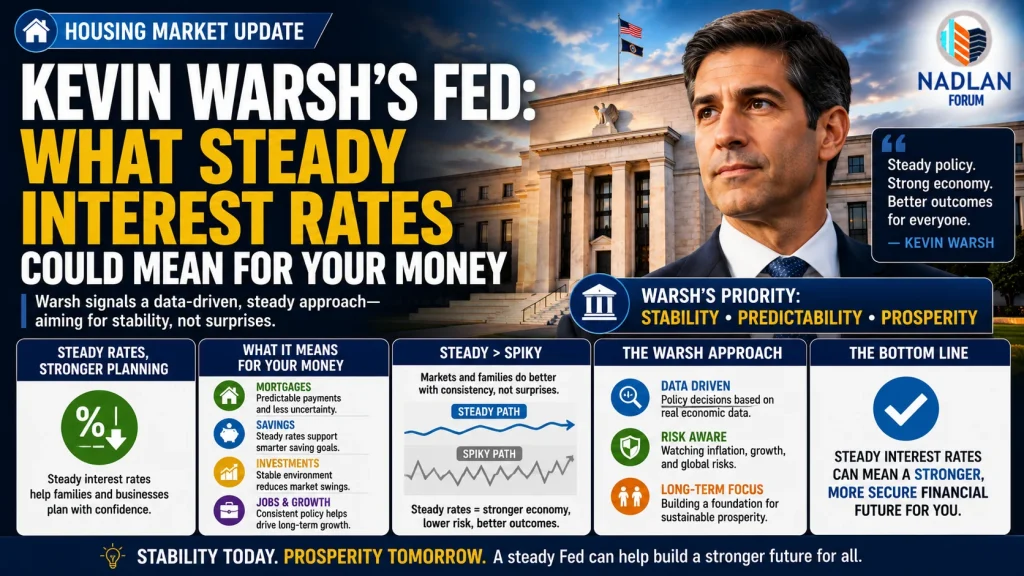
Falling tensions between the U.S. and Iran helped ease pressure on oil prices and Treasury yields, which normally influence mortgage rates. However, Federal Reserve Chair Kevin Warsh emphasized concerns about persistent inflation, keeping rates from declining meaningfully.
Kara Ng, senior economist at Zillow, noted: “Fading geopolitical tensions have taken some pressure off oil prices and Treasury yields, but a more hawkish Fed and mixed economic data are keeping rates from moving significantly lower.”
Recent Treasury yield drops, prompted by falling oil prices, suggest mortgage rates could follow a downward path if inflation expectations continue to ease.
Current Mortgage Rates (June 25, 2026)
Purchase Rates (National Averages):
- 30-year fixed: 6.33%
- 20-year fixed: 6.31%
- 15-year fixed: 5.80%
- 5/1 ARM: 6.37%
- 7/1 ARM: 6.58%
- 30-year VA: 5.84%
- 15-year VA: 5.53%
- 5/1 VA: 5.83%
Refinance Rates (National Averages):
- 30-year fixed: 6.30%
- 20-year fixed: 6.10%
- 15-year fixed: 5.83%
- 5/1 ARM: 6.29%
- 7/1 ARM: 6.55%
- 30-year VA: 5.72%
- 15-year VA: 5.48%
- 5/1 VA: 5.68%
These averages are rounded to the nearest hundredth. Refinance rates may be slightly higher or lower than purchase rates depending on lender, credit profile, and local market conditions.
How Mortgage Rates Are Determined
Mortgage rates are influenced by both controllable and uncontrollable factors.
Factors You Can Control:
- Credit score
- Down payment amount
- Debt-to-income ratio
- Comparison shopping across lenders
Factors You Cannot Control:
- Economic conditions
- Federal Reserve policy
- Treasury yields
- Inflation trends
Strong economic growth tends to push rates higher, while a weaker economy can encourage lower rates. Similarly, falling oil prices can signal lower inflation and contribute to potential rate reductions.
Fixed vs. Adjustable Rates
- Fixed-rate mortgages: Lock in your interest rate for the full term, e.g., 30-year or 15-year loans. Offer payment stability but generally higher interest for longer terms.
- Adjustable-rate mortgages (ARMs): Have a fixed rate for an initial period (e.g., 5/1 ARM), then adjust periodically. May start lower than fixed rates but carry risk of increases.
Most of the early payments in any mortgage go toward interest, with principal repayment increasing over time.
Comparing 30-Year vs. 15-Year Mortgages
- 30-year fixed: Lower monthly payments, higher total interest over the life of the loan.
- 15-year fixed: Higher monthly payments, lower interest costs, and faster payoff.
Choosing the right term depends on your budget, long-term goals, and risk tolerance.
Bottom Line
Mortgage rates have remained mostly unchanged near 6.5%, reflecting a balance of geopolitical, economic, and inflationary pressures. Falling oil prices could provide downward pressure on rates in the near future, creating potential opportunities for homebuyers and refinancers to secure slightly lower borrowing costs.
Buyers and refinancers should continue monitoring Treasury yields, inflation reports, and Federal Reserve guidance to anticipate short-term rate movements. For direct financing consultations or mortgage options for you visit 👉 Nadlan Capital Group.

















Responses