
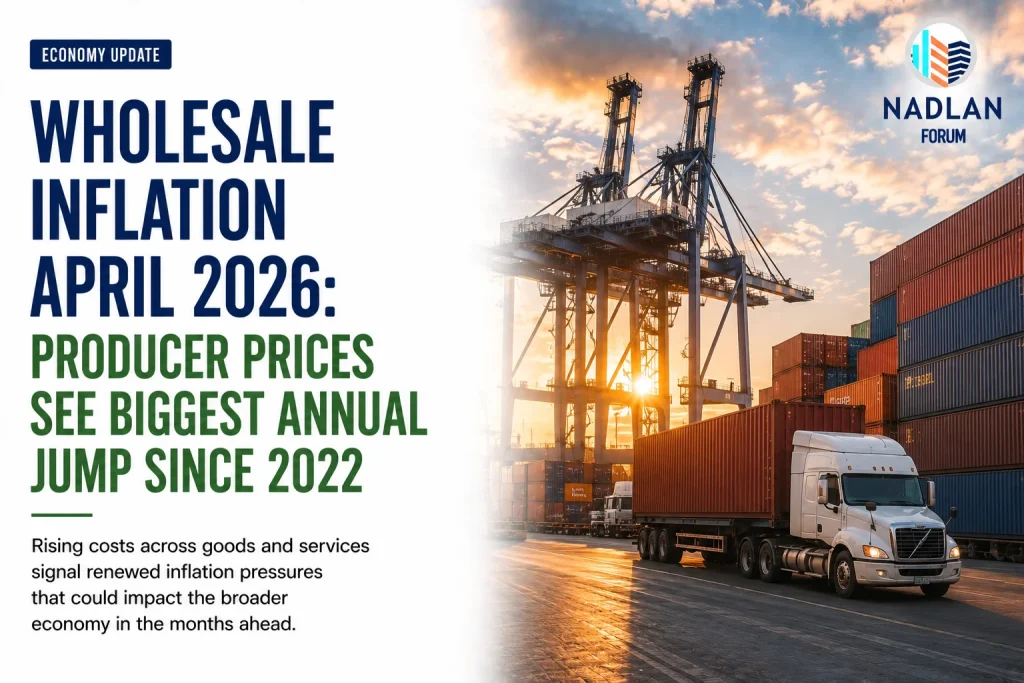
Wholesale Inflation Rises: Producer Prices Hit Highest Level Since 2022

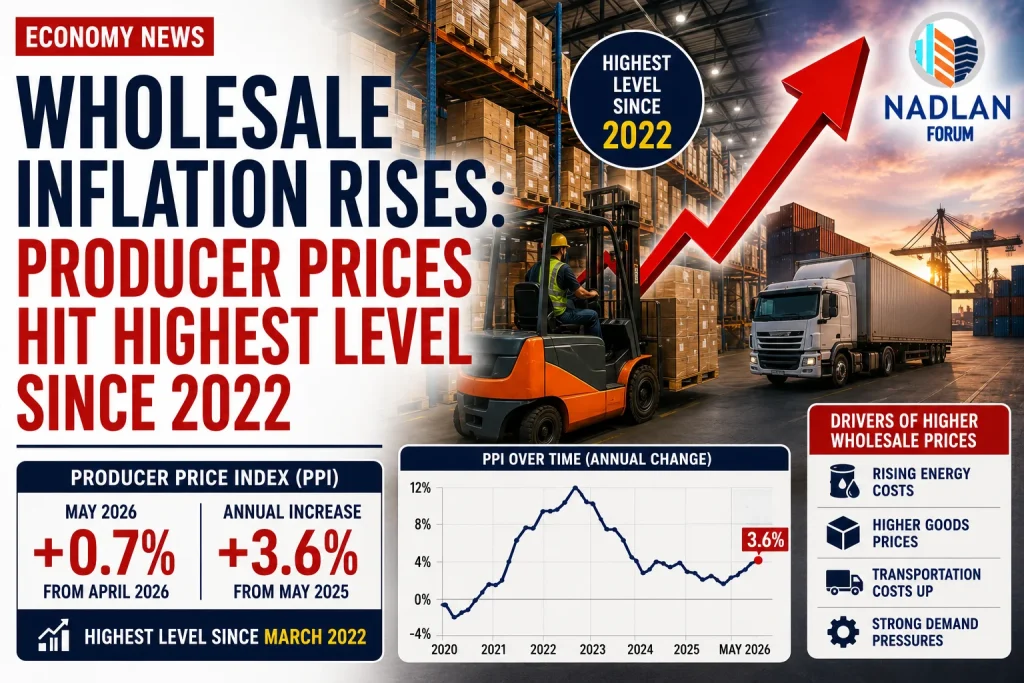
Wholesale inflation accelerated sharply in May, adding another challenge for businesses, consumers, and policymakers as higher energy costs continued to work their way through the U.S. economy. The latest Producer Price Index (PPI) report showed that companies paid significantly more for goods and services, highlighting ongoing inflation pressures despite hopes that price growth would ease this year.
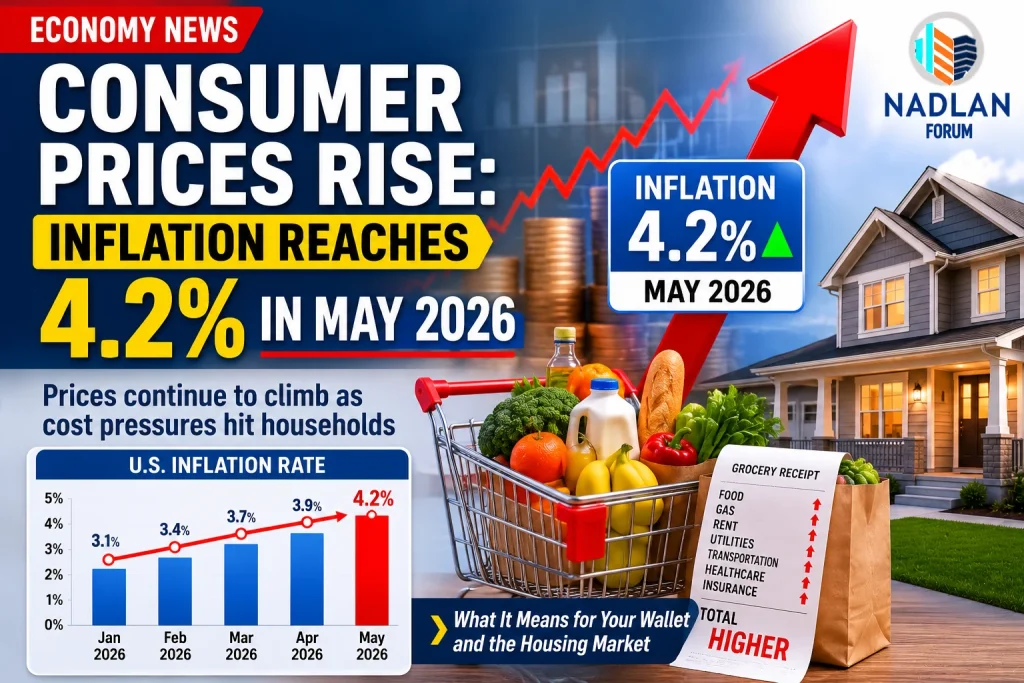
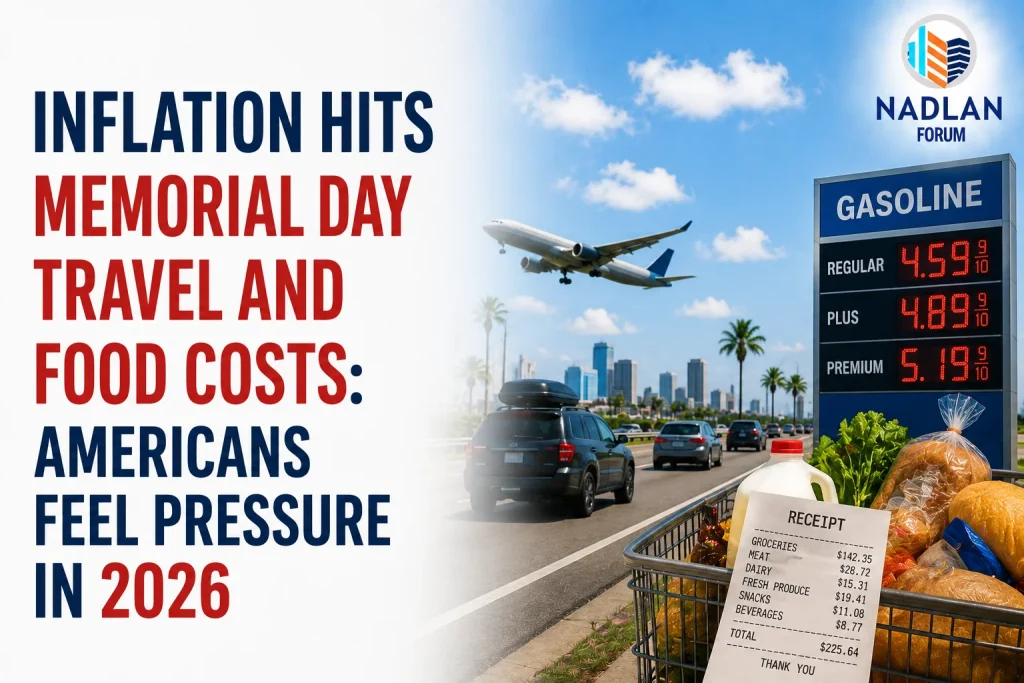
The latest data comes just one day after consumer inflation climbed above 4% for the first time in three years, reinforcing concerns that rising energy prices and global uncertainty could keep inflation elevated for longer than expected.
While much of the increase was driven by fuel costs, economists are closely watching whether higher business expenses eventually translate into higher prices for consumers.
Wholesale Prices Jump in May
According to the latest government data, the Producer Price Index increased by 1.1% during May on a seasonally adjusted basis.
Key figures from the report include:
Monthly PPI: +1.1%
Annual PPI: +6.5%
Core PPI (excluding food and energy): +0.4%
Core PPI excluding food, energy, and trade services: +0.8%
The annual wholesale inflation rate reached its highest level since November 2022, while the monthly increase exceeded market expectations.
Producer prices measure what businesses receive for their products and services before those costs often reach consumers.
Energy Prices Led the Increase
The biggest factor behind May’s inflation surge was the energy sector.
Final demand goods prices increased 2.8% during the month, the largest increase in the current data series.
Energy prices climbed 10.7%, with wholesale gasoline prices surging 23.4%.
Rising oil prices and global supply concerns have contributed to the increase, particularly as geopolitical tensions continue to affect energy markets.
Nearly 80% of the increase in wholesale goods prices came from higher energy costs.
Core Inflation Remains More Stable
While headline inflation accelerated sharply, underlying inflation was somewhat more moderate.
Core PPI, which excludes volatile food and energy categories, increased 0.4% during May.
Although still elevated, the reading came in slightly below expectations, suggesting that inflation pressures outside of energy have not accelerated at the same pace.
Another closely watched measure that excludes food, energy, and trade services rose 0.8%, the largest monthly increase since early 2022.
These figures suggest that while energy remains the primary inflation driver, some broader pricing pressures are also emerging.
Service Costs Also Increased
The inflation report wasn’t limited to goods.
Several service categories experienced price increases during May.
Portfolio management services recorded one of the larger gains, rising 4.8% during a month that saw strong stock market performance.
Other business services also contributed to overall inflation, though energy remained the dominant factor.
Consumer Inflation and Wholesale Inflation
The wholesale inflation report follows recent consumer price data that showed inflation continuing to move higher.
Consumer inflation reached:
Annual CPI: 4.2%
Core CPI: 2.9%
Energy prices were a major contributor to both reports.
However, some categories of consumer spending remained relatively stable, helping prevent even larger inflation increases.
Economists often monitor PPI because higher wholesale costs can eventually pass through to consumers in the form of higher retail prices.
What Producer Prices Mean for Consumers
Higher wholesale prices can affect households in several ways.
Businesses facing rising costs may:
- Increase product prices.
- Raise service fees.
- Delay expansion plans.
- Reduce hiring.
- Accept lower profit margins.
Whether consumers ultimately pay higher prices depends on competition, demand, and each industry’s ability to absorb increased costs.
Some companies may choose to limit price increases to maintain customer demand.
Federal Reserve Faces Another Challenge
The latest inflation data is likely to keep the Federal Reserve cautious.
The central bank has been trying to balance two major risks:
- Slowing economic growth.
- Persistent inflation.
Recent inflation reports suggest that price pressures remain above the Fed’s long-term target of 2%.
Financial markets widely expect the Federal Reserve to leave interest rates unchanged at its upcoming policy meeting.
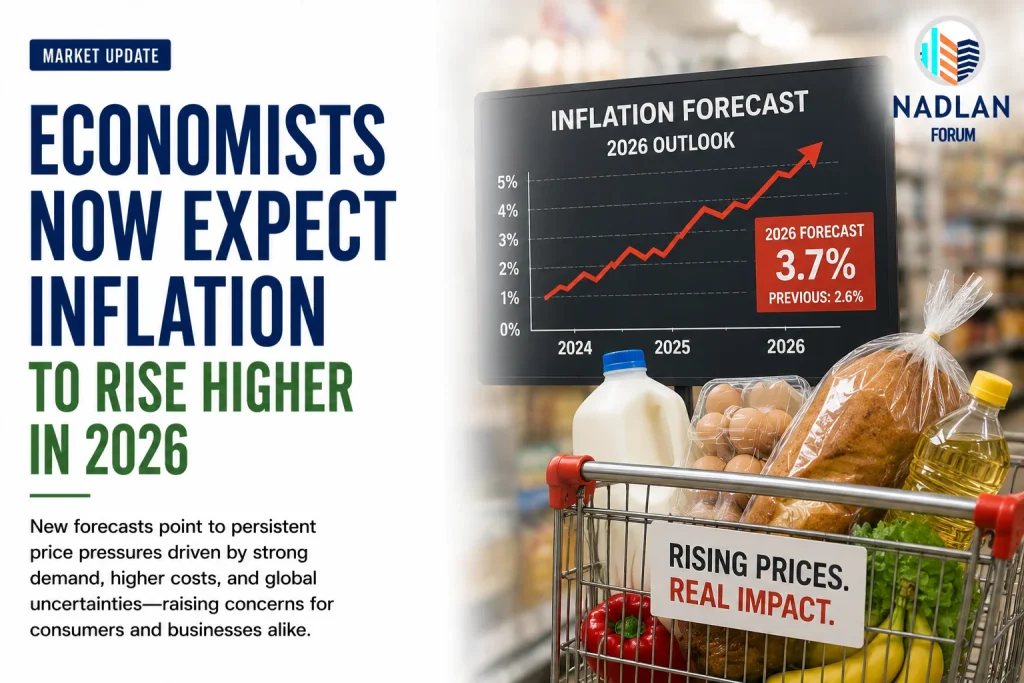
However, expectations for future rate cuts have weakened significantly.
Some investors now believe the next policy move could eventually be another rate increase if inflation remains stubbornly high.
Energy Markets Remain a Key Risk
Much of the recent inflation surge has been linked to higher energy prices.
Oil and gasoline prices influence many parts of the economy, including:
- Transportation.
- Manufacturing.
- Agriculture.
- Air travel.
- Shipping.
- Utility costs.
If energy prices stabilize or decline, inflation pressures could ease during the second half of the year.
However, prolonged supply disruptions or geopolitical tensions could keep costs elevated.
What Businesses Are Watching
Companies across multiple industries are paying close attention to rising wholesale costs.
Businesses are focusing on:
Managing Supply Chains
Finding alternative suppliers and improving efficiency.
Controlling Operating Costs
Reducing waste and improving productivity.
Pricing Strategies
Balancing higher expenses without reducing customer demand.
Labor Costs
Monitoring wage growth alongside inflation trends.
Many firms have become more cautious about long-term planning due to uncertainty surrounding inflation and interest rates.
What This Means for Homebuyers and Borrowers
Inflation data directly affects borrowing costs across the economy.
Higher inflation can lead to:
- Higher Treasury yields.
- Elevated mortgage rates.
- Increased business loan costs.
- Higher credit card interest rates.
- More expensive auto loans.
Mortgage markets closely monitor inflation reports because persistent price growth can delay interest rate reductions.
For homebuyers, this could mean mortgage rates remain near current levels for longer than previously expected.
Looking Ahead
Several factors will determine the direction of inflation over the coming months.
Investors and policymakers will monitor:
- Energy prices.
- Consumer spending.
- Employment data.
- Supply chain conditions.
- Federal Reserve policy decisions.
- Global economic developments.
If energy markets stabilize, inflation could gradually moderate. However, additional supply disruptions or stronger economic growth could keep upward pressure on prices.
Bottom Line
Wholesale inflation accelerated significantly in May, with producer prices rising 1.1% for the month and 6.5% from a year earlier. Higher energy costs accounted for much of the increase, while core inflation measures showed more moderate growth.
The latest data reinforces concerns that inflation remains a challenge for the U.S. economy. Businesses continue to face higher operating costs, consumers could see additional price increases over time, and the Federal Reserve is likely to maintain a cautious approach to interest rates.
While energy prices remain the biggest driver of inflation, the coming months will determine whether these cost pressures spread further throughout the economy or begin to ease as market conditions improve. For direct financing consultations or mortgage options for you visit 👉 Nadlan Capital Group.


















Responses