
Household Financial Worries Rise: Americans Feel More Pressure on Their Budgets


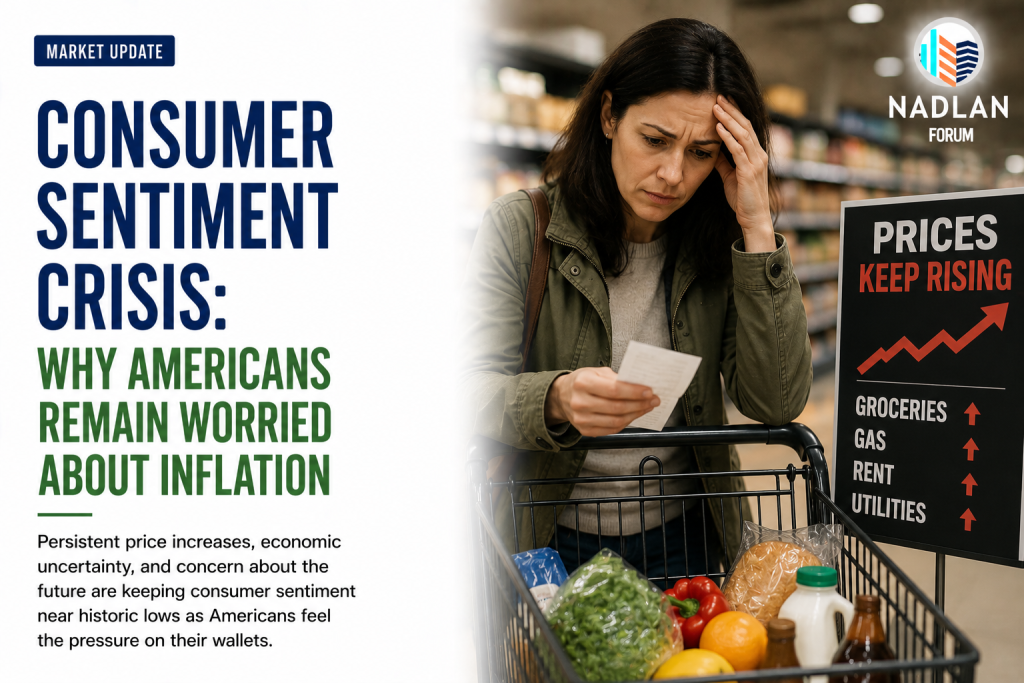
American households are becoming increasingly concerned about their financial future. A new survey from the Federal Reserve Bank of New York shows that more consumers believe their financial situation has worsened over the past year, highlighting the ongoing impact of inflation, higher living costs, and economic uncertainty.
While inflation expectations remained relatively stable during May, people’s confidence in their personal finances continued to weaken. Rising housing expenses, grocery bills, and everyday costs are making it harder for many families to feel financially secure.
The latest findings suggest that even though the broader economy remains active, many Americans are becoming more cautious with their spending and financial planning.
More Americans Say Their Finances Have Gotten Worse
According to the New York Fed’s Survey of Consumer Expectations, the share of Americans who said their financial situation is “much worse” than it was one year ago increased sharply during May.
Some 13.3% of respondents felt significantly worse off financially, the highest reading since July 2022.
Looking at the broader picture, 43.7% of households said their finances were either somewhat worse or much worse than they were a year ago. That is the highest combined level since early 2023.
The survey suggests that many families are still struggling to recover from several years of elevated inflation and higher borrowing costs.
Consumers Are Not Optimistic About the Year Ahead
The outlook for the next 12 months remains challenging.
More Americans expect their financial condition to worsen rather than improve.
The survey found:
- 36% expect their financial situation to become somewhat or much worse.
- Only 22.9% believe their finances will improve.
- The gap between positive and negative expectations reached its weakest level since late 2022.
This cautious outlook often leads households to delay major purchases and become more conservative with their spending habits.
Inflation Continues to Affect Household Decisions
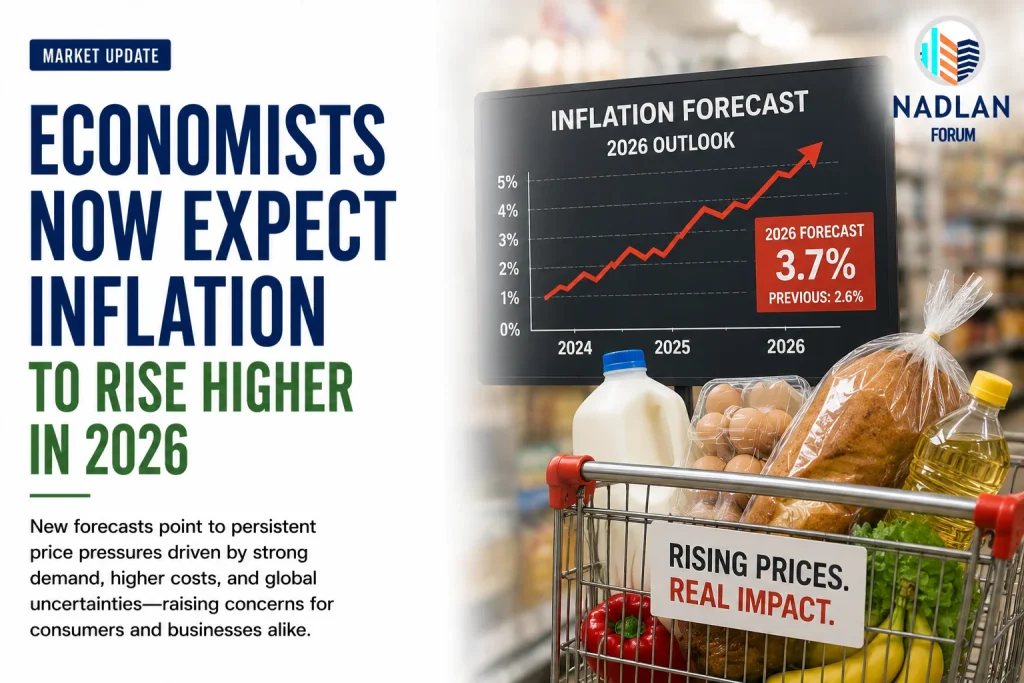
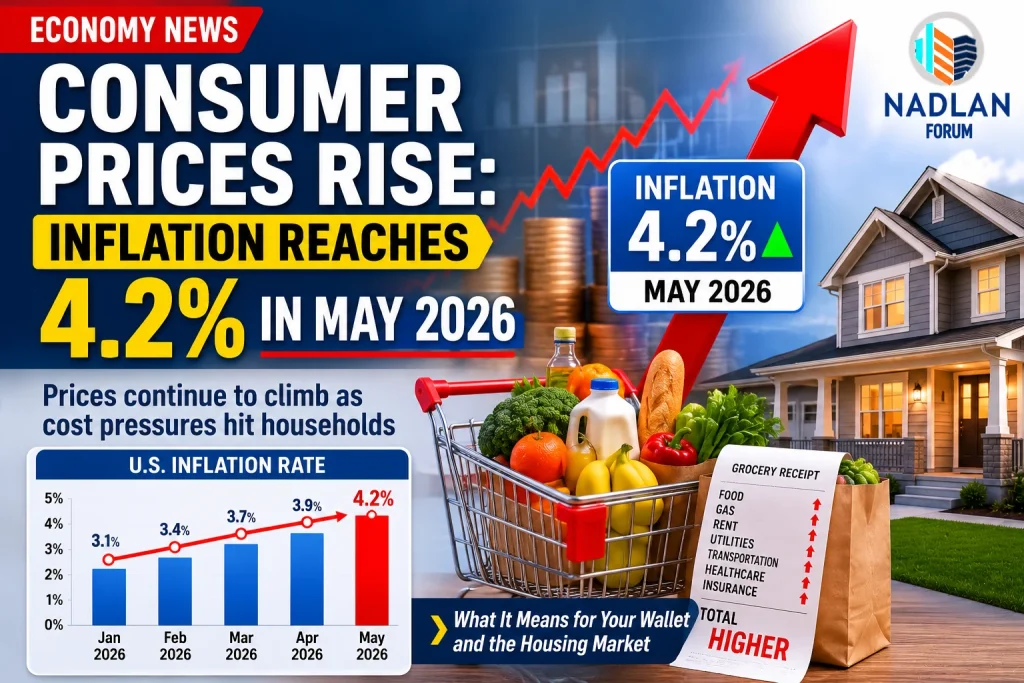
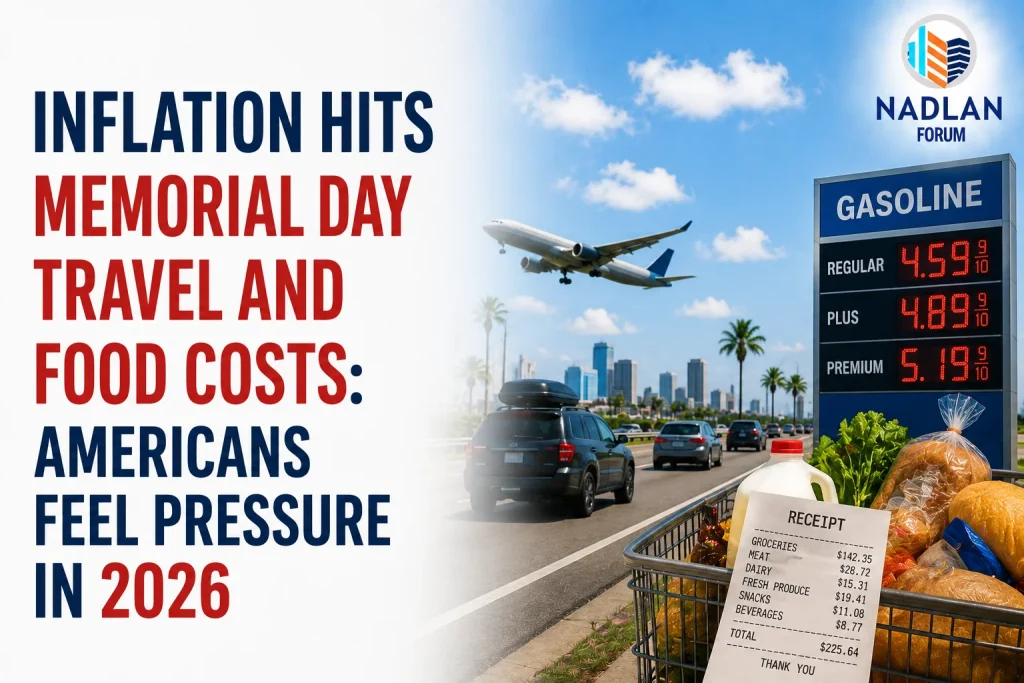
Although consumers did not significantly change their overall inflation expectations, they still anticipate higher prices for many essential goods and services.
The survey showed:
One-Year Inflation Outlook
Expected inflation over the next year edged slightly lower to 3.5%.
Food Prices
Consumers expect food costs to increase by 5.8% over the coming year.
Rent Costs
Expected rent increases climbed to 7.4%, one of the largest projected expense categories.
Gasoline Prices
Expectations for gasoline prices eased slightly to 5%.
While inflation may not be accelerating dramatically, many households continue to face the cumulative impact of higher prices across multiple areas of their budgets.
Higher Living Costs Are Changing Spending Habits
As household budgets become tighter, consumers are adjusting how they manage their money.
Expected growth in household spending over the next year declined to 5%, reflecting a more cautious approach to personal finances.
Many families are choosing to reduce spending on:
- Entertainment.
- Travel.
- Dining out.
- Home improvements.
- Large purchases.
- Luxury items.
At the same time, households are placing greater emphasis on savings and emergency funds.
Energy Prices Add to Economic Uncertainty
Global events continue to influence consumer confidence.
Higher energy prices have increased concerns about future inflation because fuel costs affect many parts of the economy.
More expensive energy can increase the cost of:
- Transportation.
- Food production.
- Manufacturing.
- Utility bills.
- Travel services.
Federal Reserve officials have acknowledged that prolonged increases in energy prices could create longer-lasting inflation pressures if businesses pass those costs on to consumers.
Housing Costs Remain a Major Challenge
Housing continues to be one of the biggest financial burdens for American families.
Higher mortgage rates and elevated home prices have made homeownership less affordable, while renters continue to face rising lease costs in many markets.
The survey’s increase in expected rent growth highlights the ongoing challenges many households face when managing housing expenses.
Whether renting or owning, shelter costs continue to consume a significant portion of household income.
The Federal Reserve Is Watching Closely
The latest survey comes ahead of important inflation and interest rate decisions.
Federal Reserve policymakers continue to monitor consumer expectations because public sentiment can influence future spending and pricing behavior.
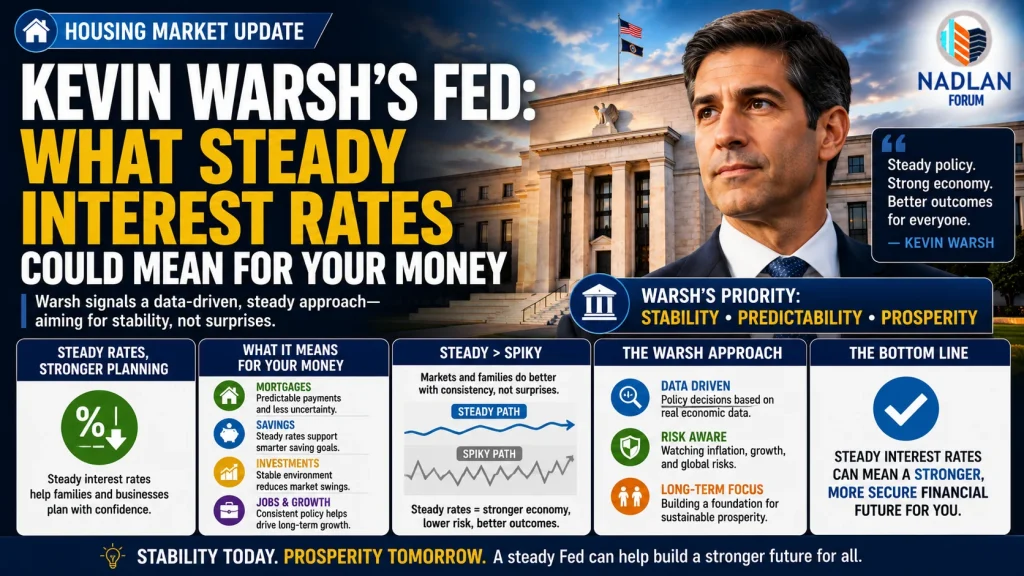
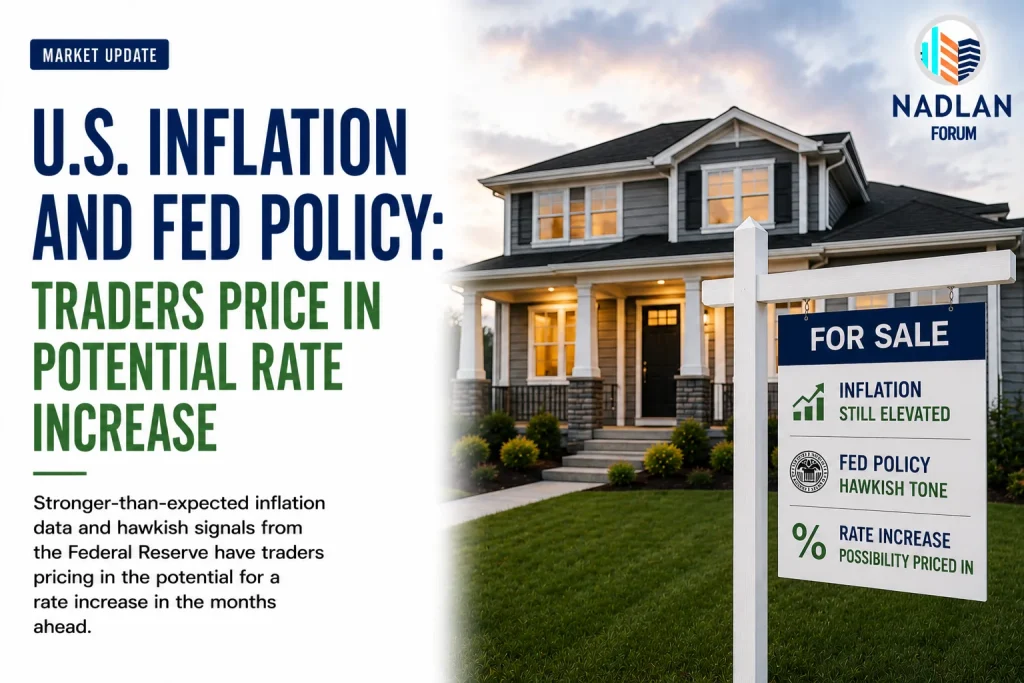
Financial markets currently expect the central bank to keep interest rates steady in the near term, although some investors believe additional rate increases could remain possible if inflation stays elevated.
Interest rate decisions directly affect:
- Mortgage rates.
- Auto loans.
- Credit card interest.
- Personal loans.
- Business borrowing.
- Savings returns.
Consumers are paying close attention because these borrowing costs have a direct impact on monthly budgets.
Consumer Confidence Matters for the Economy
Household confidence is an important measure because consumer spending drives a large portion of U.S. economic growth.
When people become less confident about their financial future, they often:
- Spend less.
- Save more.
- Delay major purchases.
- Avoid taking on new debt.
- Postpone investments.
Businesses also monitor consumer confidence because weaker spending can influence hiring and expansion plans.
Steps Families Can Take
While households cannot control inflation or interest rates, financial experts recommend focusing on areas that can improve long-term financial stability.
Some practical strategies include:
Build Emergency Savings
Setting aside even small amounts can help prepare for unexpected expenses.
Reduce High-Interest Debt
Paying down expensive debt can improve monthly cash flow.
Review Monthly Expenses
Tracking spending can identify opportunities to save money.
Avoid Unnecessary Borrowing
Limiting new debt may reduce financial pressure during uncertain times.
Continue Long-Term Planning
Maintaining investment and retirement goals can help support future financial security.
Careful planning and disciplined budgeting can help households navigate periods of economic uncertainty.
Bottom Line
The latest New York Federal Reserve survey shows that household financial worries are growing across the United States. Although inflation expectations have remained relatively stable, many Americans believe their financial situation has deteriorated and expect additional challenges ahead.
Higher food prices, housing expenses, and ongoing economic uncertainty continue to pressure family budgets. Consumers are responding by becoming more cautious with spending and focusing on financial stability.
While the economy continues to show areas of strength, the survey highlights that many households are still feeling the effects of higher living costs. Staying informed, managing debt, building savings, and maintaining realistic financial plans may help families better navigate the uncertain economic environment in 2026. For direct financing consultations or mortgage options for you visit 👉 Nadlan Capital Group.

















Responses