
Trump Not ‘Huge Fan’ of Housing Plan to Allow 401(k)s for Down Payments

As housing affordability becomes a central political issue heading into the 2026 midterm elections, not every proposed solution is winning the president’s support.
President Donald Trump said this week that he is “not a huge fan” of a plan that would allow homebuyers to tap their 401(k) retirement savings without penalty to fund a down payment. The comments appear to cool momentum around an idea that had gained traction after being publicly floated by one of Trump’s top economic advisers just days earlier.
The episode highlights a deeper tension: how to help would-be homebuyers without undermining long-term financial security.
So why did the proposal surface — and why is Trump backing away from it now?
What We Know So Far
The proposal and Trump’s response unfolded quickly, creating confusion around the administration’s housing strategy.
Here are the key facts:
- A senior Trump adviser suggested allowing penalty-free 401(k) withdrawals for down payments
- Trump publicly rejected the idea, saying he prefers to protect retirement savings
- The comments mark a shift from earlier signals that the plan was under active consideration
- The debate comes amid mounting pressure to address housing affordability
- Trump discussed housing policy more broadly at the World Economic Forum in Davos
The idea isn’t dead but it’s clearly controversial, even within the administration.
Where the 401(k) Proposal Came From
The proposal was first introduced publicly by Kevin Hassett, Director of the National Economic Council, during a Fox Business interview last week.
Hassett argued that affordability pressures have intensified dramatically in recent years, pointing to the steep rise in both monthly payments and required down payments.
According to Hassett:
- Monthly mortgage payments for a typical family have roughly doubled
- Typical down payments have increased from around $15,000 to roughly $32,000
Those figures, he said, leave many families stuck — even if they can afford monthly payments.
“We’re going to allow people to take money out of their 401(k)s and use that for a down payment,” Hassett said at the time, adding that the administration was still working through the mechanics.
That statement sparked immediate debate across housing, financial planning, and political circles.
Trump’s Pushback: Protecting Retirement Savings
Speaking to reporters aboard Air Force One while returning from the World Economic Forum in Davos, Trump made clear he was not sold on the idea.
“I’m not a huge fan of it,” Trump said, emphasizing that retirement accounts have performed exceptionally well in recent years. He noted that many Americans have seen their 401(k) balances rise by 80% or even 90% in some cases.
Trump’s concern is straightforward: encouraging people to pull money out of retirement accounts could undermine long-term financial stability.
“I like keeping their 401(k)s in great shape,” he said. “I’m not a huge fan of that, putting down a deposit.”
That framing places retirement security in direct tension with housing accessibility — a tradeoff policymakers have long struggled to balance.
A Reversal — or a Pause?
According to reporting from The Hill, Trump’s comments appear to mark a reversal from earlier indications that the administration was actively finalizing such a plan.
Just days before Trump spoke, aides suggested the policy was still under development. The president’s remarks now raise questions about whether the proposal will move forward at all — or whether it will be reshaped into something narrower.
Is this a firm “no,” or simply Trump setting boundaries on how far the idea can go? That remains unclear.
What is clear is that internal debate is ongoing.
Why the Idea Resonates Politically
Despite Trump’s hesitation, the 401(k) down payment proposal taps into a real and growing problem.
High home prices and elevated mortgage rates have pushed entry costs far higher than in previous decades. Even households with solid incomes are struggling to save enough cash for down payments — especially while paying high rent.
Allowing access to retirement savings could:
- Accelerate first-time homeownership
- Help buyers bridge the affordability gap
- Boost housing demand in the short term
But critics argue it could also:
- Weaken retirement preparedness
- Inflate home prices further
- Favor higher-income households with larger 401(k) balances
Is it a solution or just shifting the burden from one financial goal to another?
Housing Affordability Looms Over the Midterms
The timing of the debate is no accident.
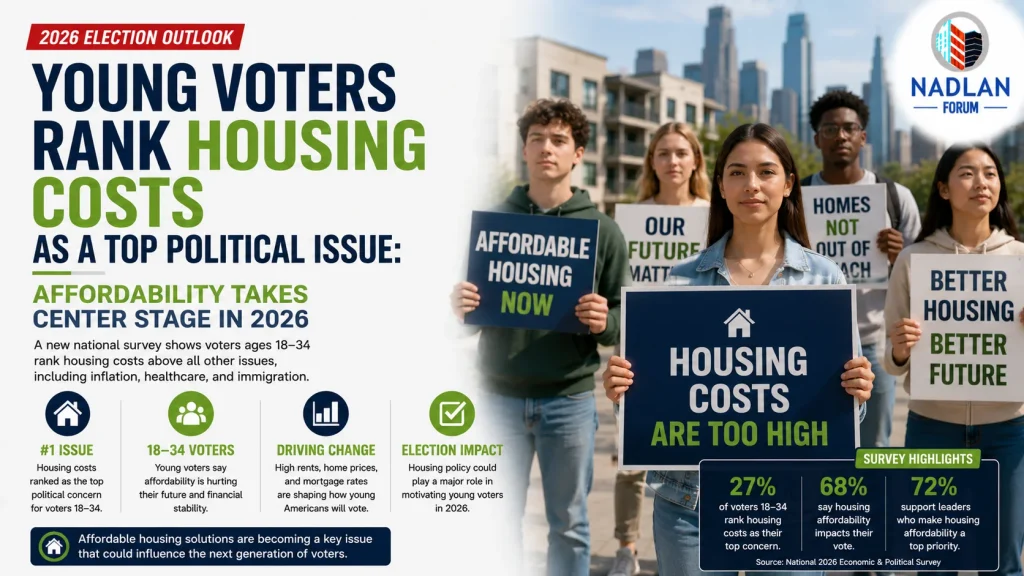
Housing affordability has emerged as a top voter concern, and Republicans face a challenging political landscape heading into the November midterm elections. Trump has increasingly leaned into populist economic messaging, including calls to lower housing costs and expand access to homeownership.
In his Davos remarks, Trump promoted several housing-related ideas aimed at easing affordability pressures, though he did not elaborate publicly on the 401(k) proposal there.
The mixed messaging underscores how politically sensitive and complex housing policy has become.
What This Means for Homebuyers
For would-be buyers hoping for new tools to bridge the down payment gap, Trump’s comments introduce uncertainty.
At minimum, the proposal faces:
- Internal skepticism
- Policy design challenges
- Potential pushback from retirement advocates
Even if some version advances, it’s unlikely to be a blanket solution for affordability especially in high-cost markets.
Buyers may still need to rely on more traditional strategies: savings discipline, assistance programs, family support, or waiting for more favorable market conditions.
What This Means for the Housing Market
From a market perspective, widespread access to 401(k) funds could have boosted near-term demand — particularly among first-time buyers. Trump’s reluctance reduces the likelihood of a sudden demand surge driven by policy.
That may help prevent:
- Additional upward pressure on home prices
- Distortions in already supply-constrained markets
In that sense, caution could help avoid unintended consequences even if it disappoints some buyers.
A Broader Policy Question Remains
The debate highlights a bigger issue policymakers have yet to solve: how to address affordability without encouraging risky financial tradeoffs.
Should housing policy prioritize:
- Immediate access to ownership?
- Long-term financial resilience?
- Or a balance that risks pleasing no one fully?
The 401(k) proposal sits squarely at that intersection.
Conclusion: Affordability Solutions Aren’t Simple
President Trump’s dismissal of the 401(k) down payment idea underscores how difficult housing policy has become. Every proposed fix carries tradeoffs and some may create new problems while solving old ones.
At Nadlan Capital Group, we believe sustainable affordability solutions require expanding supply, stabilizing financing costs, and aligning incentives not simply reallocating personal savings.
Do you think allowing 401(k) withdrawals for down payments would help or hurt future homeowners? Share your thoughts with us and stay connected with Nadlan Capital Group for clear, balanced insights on housing policy and market trends.



















Responses