
Pandemic Loan Fraud Fueled Home Prices: Study Links PPP Abuse to Housing Surge

The rapid rise in home prices during the pandemic years has often been linked to low mortgage rates, remote work trends, housing shortages, and migration patterns. However, new research suggests another factor may have played a meaningful role in pushing housing costs higher: PPP loan fraud.
According to a recent study from researchers at The University of Texas at Austin’s McCombs School of Business, fraudulent use of government-backed pandemic relief funds may have contributed significantly to the sharp increase in home prices seen between 2020 and 2021.
The findings add a new dimension to the ongoing debate about what drove one of the most dramatic housing booms in modern U.S. history.
Home Prices Surged During the Pandemic
The U.S. housing market experienced extraordinary growth during the pandemic period.
Between late 2019 and late 2022, median home prices increased by roughly 35%, creating affordability challenges that continue to affect buyers today.
Historically low mortgage rates, changing lifestyle preferences, and increased demand for larger homes helped fuel the surge. Millions of Americans relocated from dense urban areas to suburban and smaller communities, placing additional pressure on available housing inventory.
While these factors remain important, researchers now believe fraudulent pandemic relief funding also played a measurable role.
How PPP Loan Fraud Entered the Housing Market
The Paycheck Protection Program (PPP) was created to provide emergency financial assistance to small businesses during the economic disruption caused by COVID-19.
The program distributed hundreds of billions of dollars through banks, financial technology firms, and other lending institutions.
Due to the speed at which funds were distributed, oversight challenges emerged. Investigations and previous research have identified large amounts of potentially fraudulent loans that may have been approved without adequate verification.
Researchers sought to determine whether some of those improperly obtained funds eventually flowed into housing markets.
Their findings suggest that in many cases, they did.
Researchers Identify a Housing Impact
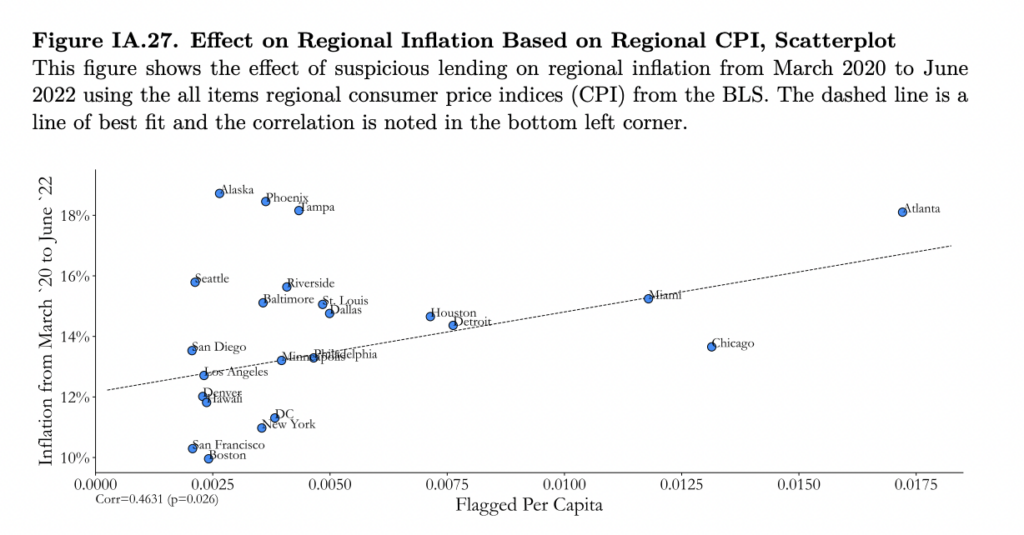
The study examined housing transactions across thousands of ZIP codes throughout the United States and compared areas with high levels of suspected PPP loan fraud against areas with lower concentrations.
Researchers found that communities with greater levels of questionable PPP lending experienced noticeably stronger home price growth during the pandemic.
Among the key findings:
- Areas with the highest levels of suspected PPP fraud recorded home price growth approximately 5.8% higher than areas with lower fraud concentrations.
- Individuals linked to suspected fraudulent loans were significantly more likely to purchase homes than the average borrower.
- The impact was even greater in markets already suffering from limited housing supply.
- Researchers concluded that fraudulent lending activity accounted for roughly 22.5% of average home price growth between 2020 and 2021.
These findings suggest that a meaningful portion of housing demand may have been fueled by improperly obtained government funds.
Why Housing Markets Were Especially Vulnerable
Housing markets were already experiencing supply shortages before the pandemic.
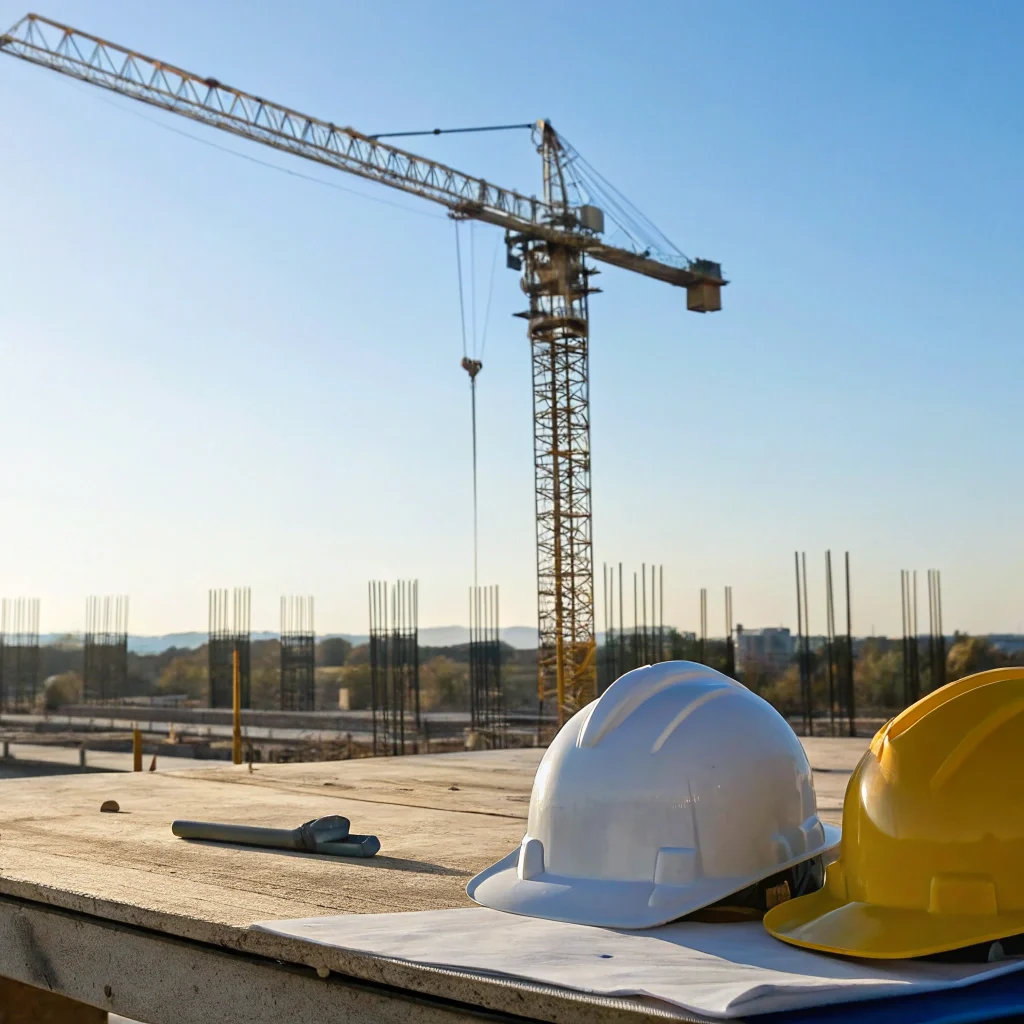
Construction activity had failed to keep pace with population growth for years, leaving many communities with limited inventory.
When demand surged during the pandemic, prices rose rapidly due to the imbalance between buyers and available homes.
Researchers found that areas with the tightest housing supply experienced the largest impact from suspected PPP-related purchases.
In markets where inventory was already scarce, even a relatively small increase in demand had an outsized effect on prices.
This helps explain why some regions experienced especially sharp appreciation during the pandemic housing boom.
Impact on Homebuyers
One of the most significant conclusions from the study is the effect on ordinary homebuyers.
As additional demand entered the market, home prices rose beyond what they may have otherwise reached.
Many buyers found themselves competing in multiple-offer situations, paying above asking price, waiving contingencies, and stretching their budgets to secure a home.
Researchers suggest that some buyers may have unknowingly purchased properties at inflated values driven partly by abnormal demand linked to fraudulent funds.
As housing markets normalize, those buyers could face challenges if home values stagnate or decline in certain areas.
Beyond Housing: Other Spending Patterns
The study found evidence that suspected fraudulent funds were not only used to purchase homes.
Researchers also identified increased spending activity across several sectors, including:
Automobile Purchases
Vehicle registrations increased in areas with higher concentrations of suspected PPP fraud activity.
Retail and Consumer Spending
Higher spending levels were observed at grocery stores, furniture retailers, restaurants, and various service businesses.
Financial Activity
Researchers found signs of increased financial transactions and consumer activity in communities where questionable lending was more concentrated.
These findings suggest that the broader economic effects of fraud may have extended beyond housing markets alone.
Lessons for Future Government Programs
The research raises important questions about how emergency government programs should be designed in the future.
While pandemic relief programs provided critical support to many legitimate businesses and workers, the study highlights the potential economic distortions that can occur when large sums of money are distributed without sufficient safeguards.
Researchers argue that stronger verification systems, improved oversight, and better fraud prevention measures could help reduce unintended consequences in future emergency lending programs.
Preventing fraud at the beginning of a program may be far less costly than addressing the long-term market impacts later.
What It Means for the Housing Market Today
Although the housing market of 2026 is very different from the environment of 2020 and 2021, the effects of pandemic-era price increases continue to shape affordability.
Home prices remain elevated in many parts of the country, and affordability challenges persist despite some improvement in inventory levels.
The study does not suggest that PPP loan fraud was the primary driver of the housing boom. Instead, it concludes that fraud was one of several contributing factors that amplified existing market pressures.
Low mortgage rates, migration trends, limited inventory, and strong household demand all played major roles. However, the research indicates that fraudulent pandemic funding added an additional layer of demand that pushed prices even higher.
Looking Ahead
The findings serve as a reminder that government policies can have unintended effects throughout the economy.
What began as an emergency relief effort designed to support struggling businesses may have influenced housing markets, consumer spending, and local economies in ways policymakers did not anticipate.
As lawmakers evaluate future economic relief programs, the lessons from the pandemic may help shape stronger safeguards that protect taxpayers while minimizing market distortions.
For today’s homebuyers, the research provides additional insight into why housing affordability deteriorated so rapidly during the pandemic years and why the effects are still being felt across many markets today. For direct financing consultations or mortgage options for you visit 👉 Nadlan Capital Group.











Responses