
U.S. Home Prices Hit Record High in June as Affordability Gap Widens


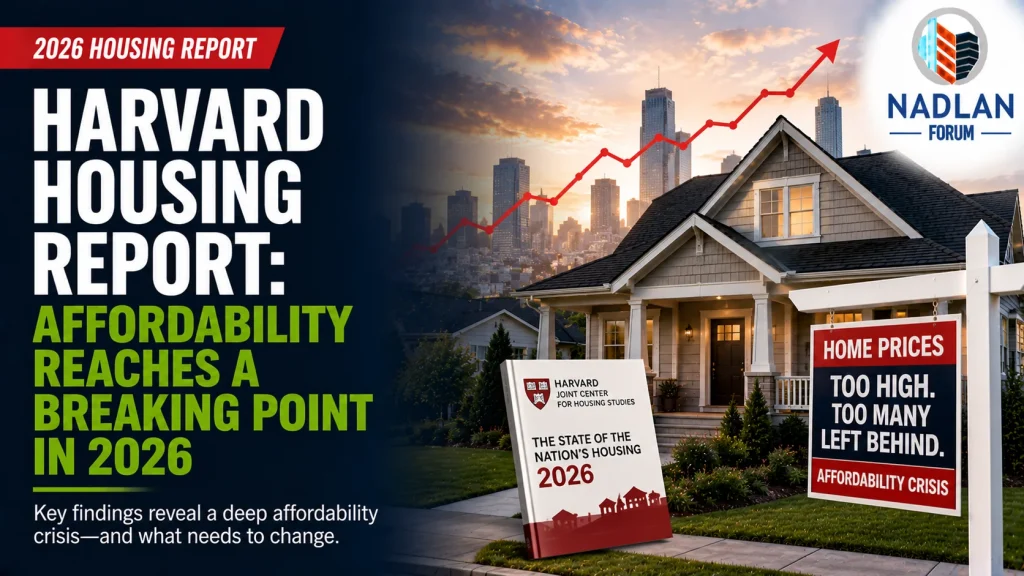
The U.S. housing market has hit another milestone though it’s not one that brings relief to buyers. In June, the median price for an existing home surged to an all-time high of $435,300, marking a 2% increase from the same month last year. This represents the 24th consecutive month of year-over-year price growth, according to data from the National Association of Realtors (NAR).
Despite the price spike, home sales declined once again, dropping 2.7% in June from the prior month. That leaves the annualized rate of existing-home sales at just 3.93 million units on pace for the slowest year in nearly three decades.
“This is historic,” said Joel Berner, senior economist at Realtor.com. “We haven’t seen home sales dip below 4 million annually since 1995.”
A Market of Extremes: High Prices, Low Activity
The data paints a clear picture: buyers are being squeezed out by unaffordability, while sellers are hesitant to list homes due to high borrowing costs and lack of alternatives.
Regionally, June sales fell sharply in the Northeast, Midwest, and South, while the West saw a modest increase. Over the past year, sales were down in the Northeast and West but edged up slightly in the Midwest and South.
Adding to the complexity is a shift in housing construction. U.S. Census Bureau data shows that builders are constructing smaller homes the smallest seen in almost 14 years indicating that affordability constraints are reshaping both supply and demand.
Why Are Prices Still Climbing?
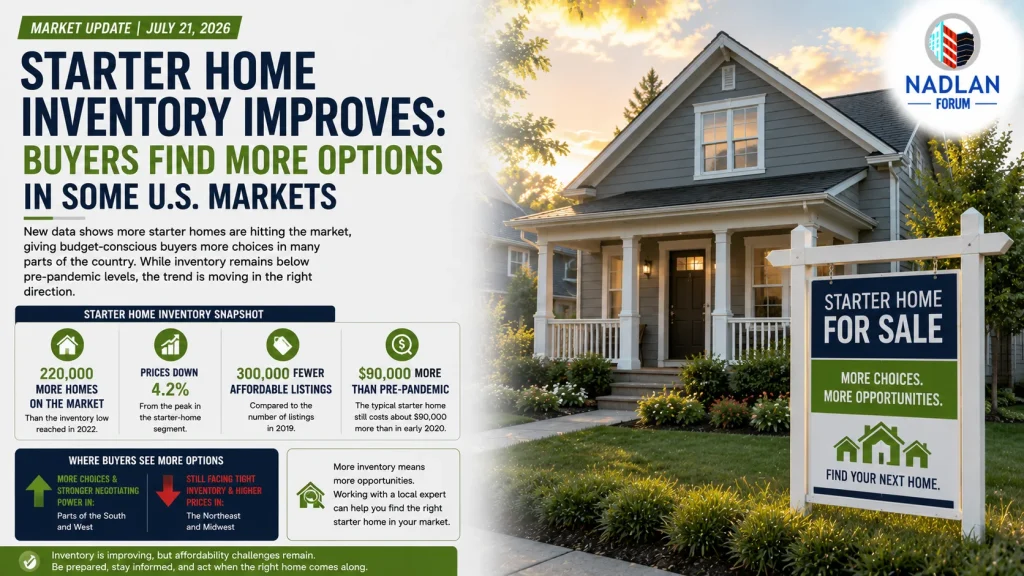
According to Lawrence Yun, Chief Economist at NAR, the root of today’s high prices can be traced to years of chronic underbuilding particularly of entry-level homes.
“We’ve faced a prolonged undersupply of housing suitable for first-time buyers,” Yun explained. “Construction has lagged behind population growth, leaving many Americans unable to break into homeownership. Even though certain markets are seeing localized oversupply, the broader picture still reflects a shortage especially where it’s needed most.”
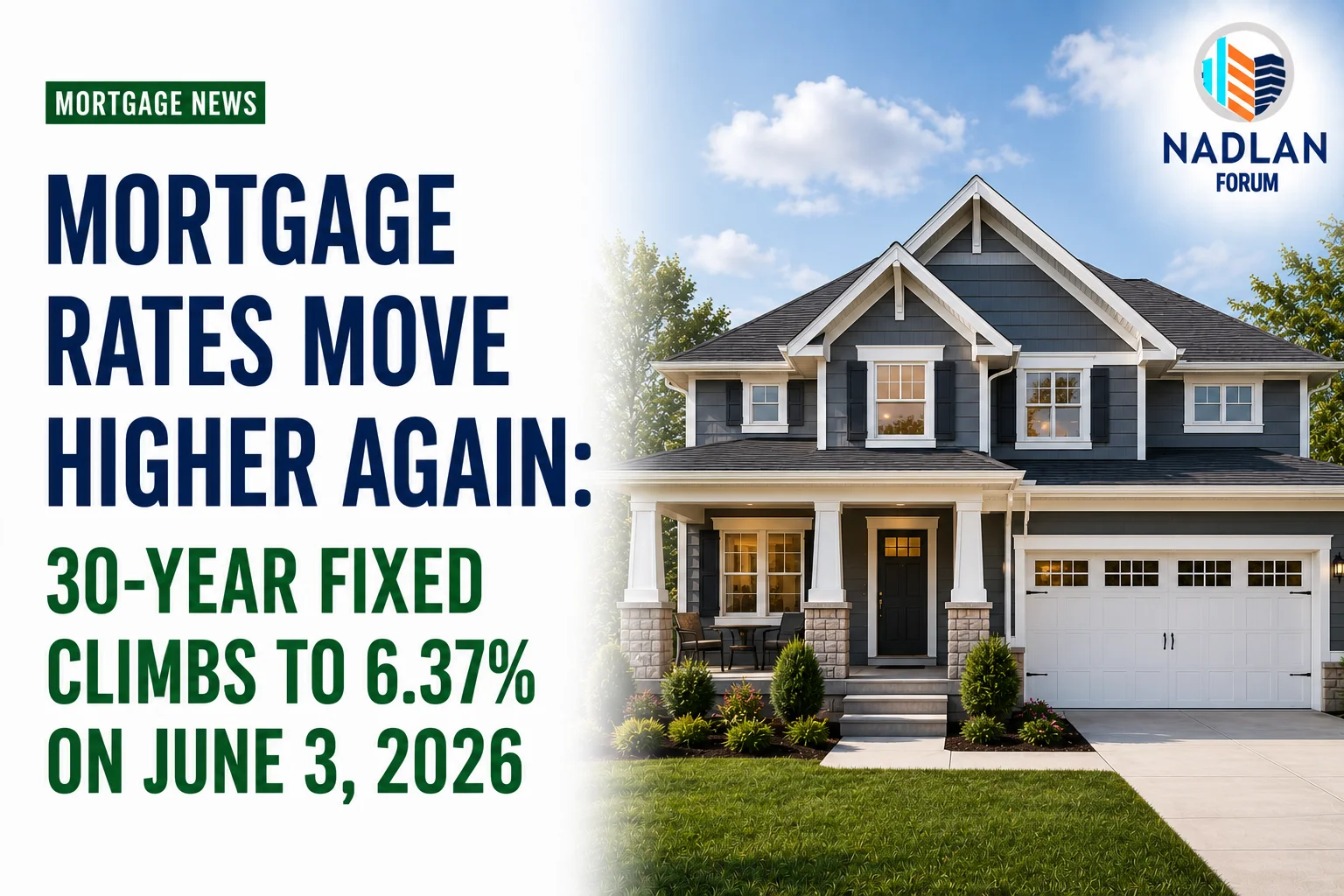
Yun added that high mortgage rates are also holding the market hostage, discouraging both buyers and sellers. Current rates remain well above pandemic-era lows, creating a double bind: would-be buyers can’t afford the payments, and current homeowners are reluctant to give up their low-rate loans to trade up or down.
Who’s Still Buying? The Wealthy.
While homes at the entry level are sitting idle, the luxury segment is telling a different story. Higher-income buyers many of whom are purchasing with cash or minimal financing are still active, and their deals are skewing national sale price figures.
Berner explained that the average sale price continues to climb, not because values are rising across the board, but because transactions are concentrated in the upper end of the market.
“We’re seeing relatively flat listing prices,” he said, “but sales prices are moving up because the few deals that are closing are mostly high-end homes. The lower end of the market is largely frozen out.”
What Needs to Change?
Economists agree that a decline in mortgage rates would breathe new life into the market, especially for first-time buyers.
“If rates dropped closer to 6%, we estimate that around 160,000 renters could become homeowners almost immediately,” Yun noted. “That would spark more sales activity and give existing homeowners more confidence to list their properties.”
Until then, the market may continue its slow crawl, with rising prices and declining affordability deepening the divide between those who can afford to buy and those left on the sidelines.
The Bottom Line
With home prices at record highs and sales near record lows, the U.S. housing market is showing clear signs of imbalance. Unless borrowing costs ease and construction ramps up particularly for affordable homes the dream of homeownership may remain just that for many Americans. For direct financing consultations or mortgage options for you visit 👉 Nadlan Capital Group.





















Responses