
Foreclosure Filings Rise in 2025: Economic Strain Pushes More Homeowners Into Distress

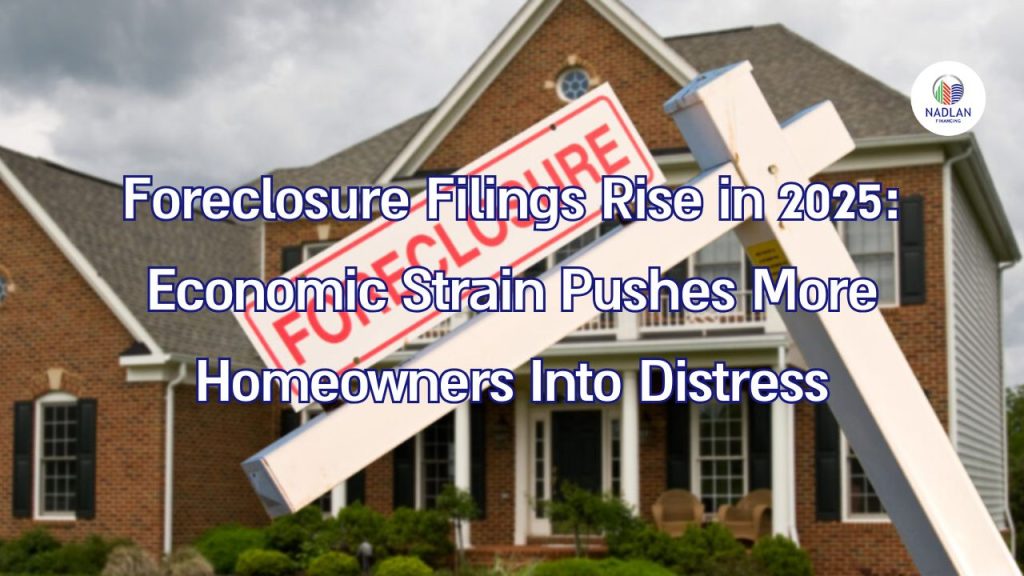
The housing market is sending early warning signals as new data shows a steady increase in foreclosure activity across the United States. According to the Mid-Year 2025 U.S. Foreclosure Market Report by real estate data provider ATTOM, over 187,000 properties across the country were hit with foreclosure-related filings in the first half of the year.
This includes default notices, scheduled auctions, and completed repossessions a 5.8% rise compared to the same time last year, and a 1.1% uptick from the first half of 2023.
“Foreclosure activity has maintained an upward trajectory in 2025,” said Rob Barber, CEO of ATTOM. “Although we haven’t reached the levels seen before the pandemic, the consistent growth in starts and completions suggests that financial hardship is impacting a growing number of homeowners.”
States with the Sharpest Increases
While foreclosures remain unevenly distributed, several states have experienced dramatic year-over-year spikes. Among the hardest hit:
- Alaska: +55%
- Rhode Island: +51%
- Wyoming: +46%
- Utah: +46%
- Colorado: +41%
These increases reflect a combination of localized economic pressures, job market disruptions, and rising living costs that have pushed many homeowners into delinquency.

Where Foreclosures Are Most Prevalent
Nationally, about one in every 758 housing units roughly 0.13% received a foreclosure filing in the first six months of 2025.
The highest foreclosure rates by state were recorded in:
- Illinois and Delaware: 0.23%
- Nevada and Florida: 0.21%
- South Carolina: 0.20%
Other states with elevated foreclosure rates include:
- Indiana and New Jersey: 0.18%
- Ohio: 0.16%
- Connecticut: 0.17%
- Texas: 0.15%
These figures paint a picture of a housing market under mounting stress, especially in states already grappling with affordability issues and economic uncertainty.
Faster Foreclosure Timelines Show Mixed Implications
The report also highlights a notable shift in the time it takes for foreclosures to move through the legal system. In the second quarter of 2025, the average foreclosure timeline dropped to 645 days a 21% decrease from last year and a 4% dip from the prior quarter.
On one hand, faster timelines may reflect improved processing efficiency. On the other, it could indicate that more homes are entering default status without homeowners attempting alternatives like loan modifications or short sales.
Second Quarter Sees Foreclosure Uptick
Between April and June of this year, 100,687 U.S. homes received foreclosure filings a 7% increase over the previous quarter and a 13% surge compared to Q2 2024. The consistent rise suggests an erosion of the pandemic-era protections and financial assistance that once helped struggling borrowers stay afloat.
A Closer Look at June 2025
Drilling into the most recent data:
- In June 2025, 21,782 properties began the foreclosure process. That’s down 10% from May, but 17% higher than June 2024, indicating a longer-term trend.
- Lender repossessions reached 3,892 properties in June, inching up 1% from the previous month and jumping 35% compared to a year earlier.
- The states with the highest foreclosure rates in June were:
- South Carolina: 1 in every 2,426 units
- Nevada: 1 in every 2,615 units
- Florida: 1 in every 2,716 units
- Illinois: 1 in every 2,766 units
- Delaware: 1 in every 3,074 units
What’s Driving the Trend?
Experts point to multiple causes behind the rising foreclosure wave: lingering inflation, elevated interest rates, and the winding down of COVID-era financial relief measures. While unemployment remains relatively low, wage growth hasn’t kept pace with the rising cost of living, especially in metro areas.
In addition, many homeowners who purchased during the red-hot market of 2021–2022 may now find themselves overleveraged, especially if they face job loss or unexpected expenses.
Looking Ahead
Although foreclosure activity remains below pre-pandemic levels, the current momentum has caught the attention of economists and housing analysts. If borrowing costs remain high and inflation persists, the risk of a broader uptick in delinquencies could put additional pressure on housing markets especially in economically vulnerable regions.
For now, homeowners facing difficulties are encouraged to explore available assistance programs, talk to their lenders early, and seek guidance from HUD-certified housing counselors. For direct financing consultations or mortgage options for you visit 👉 Nadlan Capital Group.


















Responses