
Tariffs Set to Hit Consumers’ Wallets as Holiday Shopping Season Kicks Off

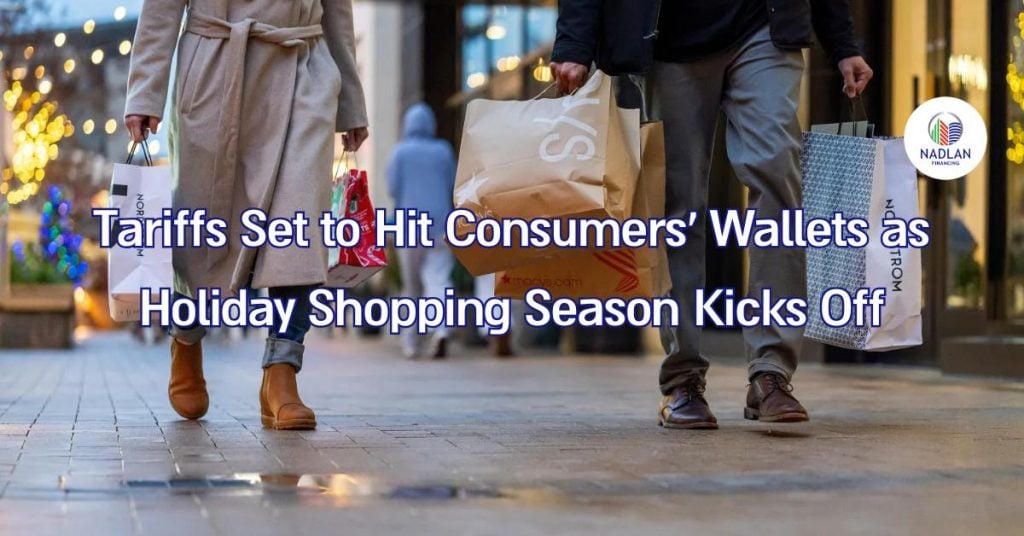
After months of muted impact, the growing wave of U.S. tariffs is poised to make its presence felt right where Americans are most sensitive at the checkout counter just as the holiday shopping season begins. Economists warn that while inflation had been easing, the effects of these trade duties will soon show up in everyday consumer prices, potentially dampening holiday spending.
President Donald Trump’s new round of tariffs on a wide range of imported goods and countries, first implemented in April, coincides with inflation indicators hovering between 2.5% and 3% this year. Until recently, many retailers and manufacturers had been able to absorb much of the cost by trimming profit margins or stockpiling inventory ahead of the tariffs. Now, with those buffers largely depleted, the price increases are expected to reach consumers in the coming weeks.
“There have been some questions in recent months as to whether tariffs have led to higher inflation for consumers,” said Aditya Bhave, an economist at Bank of America. “We think there’s no debate—tariffs have pushed consumer prices higher.”
Inflation Pressures Building Beneath the Surface
According to Bank of America’s analysis, the tariffs are projected to add roughly half a percentage point to the core Personal Consumption Expenditures (PCE) index—the Federal Reserve’s preferred inflation gauge. That means if September’s core PCE inflation measured 2.9%, it might have been closer to 2.4% without the tariffs.
Those few tenths of a percentage point matter greatly to the Fed, which has long targeted a 2% core inflation rate a goal not achieved since early 2021. While the Fed cut rates earlier this week to support growth, not everyone on the policy committee agreed. Kansas City Fed President Jeffrey Schmid and Dallas Fed President Lorie Logan both publicly voiced opposition to the rate cut, warning that sustained inflationary pressures such as those driven by tariffs pose ongoing risks.
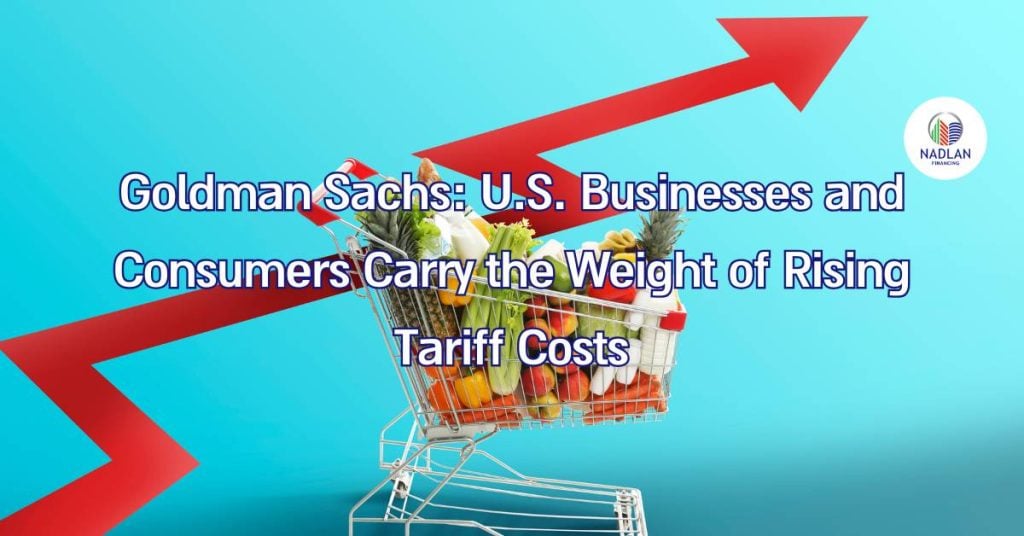
For consumers, those same percentage points are even more personal. Bhave estimates that households are absorbing 50% to 70% of total tariff costs, with businesses carrying the rest.
Rising Prices for Everyday Goods
That shared burden is already showing up in familiar places. The Bureau of Labor Statistics reported that clothing prices rose 0.7% in September, while the costs of furniture, coffee, and other imports also climbed. Although these categories represent a relatively small share of overall inflation metrics, they have an outsized influence on consumer sentiment.
“Inflation in specific, frequently purchased goods tends to amplify public perception,” said TD Cowen analysts in a recent note. “Items like groceries or household essentials, even when statistically minor, create constant reminders of rising prices.”
That perception gap matters because it can fuel a feedback loop where consumers expect higher prices, adjust their behavior, and inadvertently reinforce inflation trends.
Holiday Spending May Feel the Pinch
As the holiday season approaches, those dynamics could become even more visible. Many seasonal products, including artificial Christmas trees, ornaments, and holiday décor, are imported from China—placing them squarely in the crosshairs of current tariffs.
“While artificial Christmas trees might seem like a niche product, they exemplify how high-tariff seasonal goods can shape consumer perceptions of inflation,” TD Cowen noted. The firm added that these costs could ripple across the retail landscape, forcing retailers to choose between raising prices or sacrificing margins during their most critical sales period of the year.
If the current tariffs had been active during last year’s holidays, shoppers would have collectively spent an additional $40.6 billion, according to LendingTree estimates derived from government and private data.
Shoppers Likely to Rely More on Credit
That extra expense adds up quickly for individual households. LendingTree’s Budget Lab estimates that roughly 70.5% of new tariffs were passed directly to consumers by mid-2025, equating to an average added cost of $132 per shopper.
“That means even more Americans will likely turn to credit cards and personal loans to cover their gift-buying this year,” said Matt Schulz, LendingTree’s chief consumer finance analyst. “It’s an unfortunate reality people still want to celebrate, but their budgets are already stretched thin.”
Indeed, revolving credit balances have continued to rise throughout 2025, and analysts warn that the combination of higher prices and heavier borrowing could weigh on household finances heading into the new year.
The Broader Economic Picture
Economists stress that the tariff-driven inflation bump is unlikely to cause a major surge in headline numbers but will keep inflation “stickier” than it might otherwise be. That persistence could complicate the Federal Reserve’s path toward rate normalization, forcing policymakers to balance slower growth against higher prices.
At the same time, the uneven impact of tariffs felt most by lower- and middle-income households could widen economic divides. “Higher-income households can absorb an extra $100 here or there without major consequences,” Bhave explained. “But for families already stretched thin, it’s the difference between staying on budget or taking on more debt.”
The Bottom Line
While the inflationary impact of tariffs has been slow to arrive, it’s now starting to show up in consumers’ wallets just as the busiest shopping season of the year begins. With prices for everyday goods and holiday staples expected to climb, shoppers may find their dollars don’t go as far this December.
And though inflation measures might not spike dramatically, the psychological effect of rising prices could be enough to dampen consumer confidence and perhaps even holiday cheer. For direct financing consultations or mortgage options for you visit 👉 Nadlan Capital Group.













Responses