
Buying A Complete Portfolio Versus Accumulating Individual Assets


First of all, I want to say thank you for all the kind messages and compliments I’ve been receiving in private—and for the challenging questions you’re asking me.
I’d really appreciate it if you asked those questions here, so others can also see them, learn, and add to the discussion 🙃
While we’ve purchased most of our properties as portfolios (20 houses, 18, 15, 70, etc.), this is not the only way to build a real estate portfolio.
The other obvious path is buying single properties—one property every few months, weeks, days, or even hours—and gradually increasing the total number.
There’s no single “better” way, but I do want to highlight a few important points to think about when deciding which approach to take:
👉 Finding the deal
Finding a large portfolio is more challenging than buying a single house. Single-family homes are listed everywhere, in large volumes. Portfolios are not. We found ours through a well-connected broker, word of mouth, luck, and deep familiarity with the market.
👉 Closing process
Buying a portfolio is a complex process—but it happens once. One loan, one seller, one title company, one inspector.
When buying single properties, you repeat the process every time: deal analysis, negotiations, lender coordination, title work, and so on.
👉 Budget
While I believe money should never be the obstacle to a good deal, a $1M transaction is psychologically more intimidating than a $100K deal. Usually, buying a single property doesn’t require raising capital beyond a lender—but when purchasing a large portfolio, raising additional capital is often unavoidable.
👉 “Buying a cat in a bag” (hidden problems)
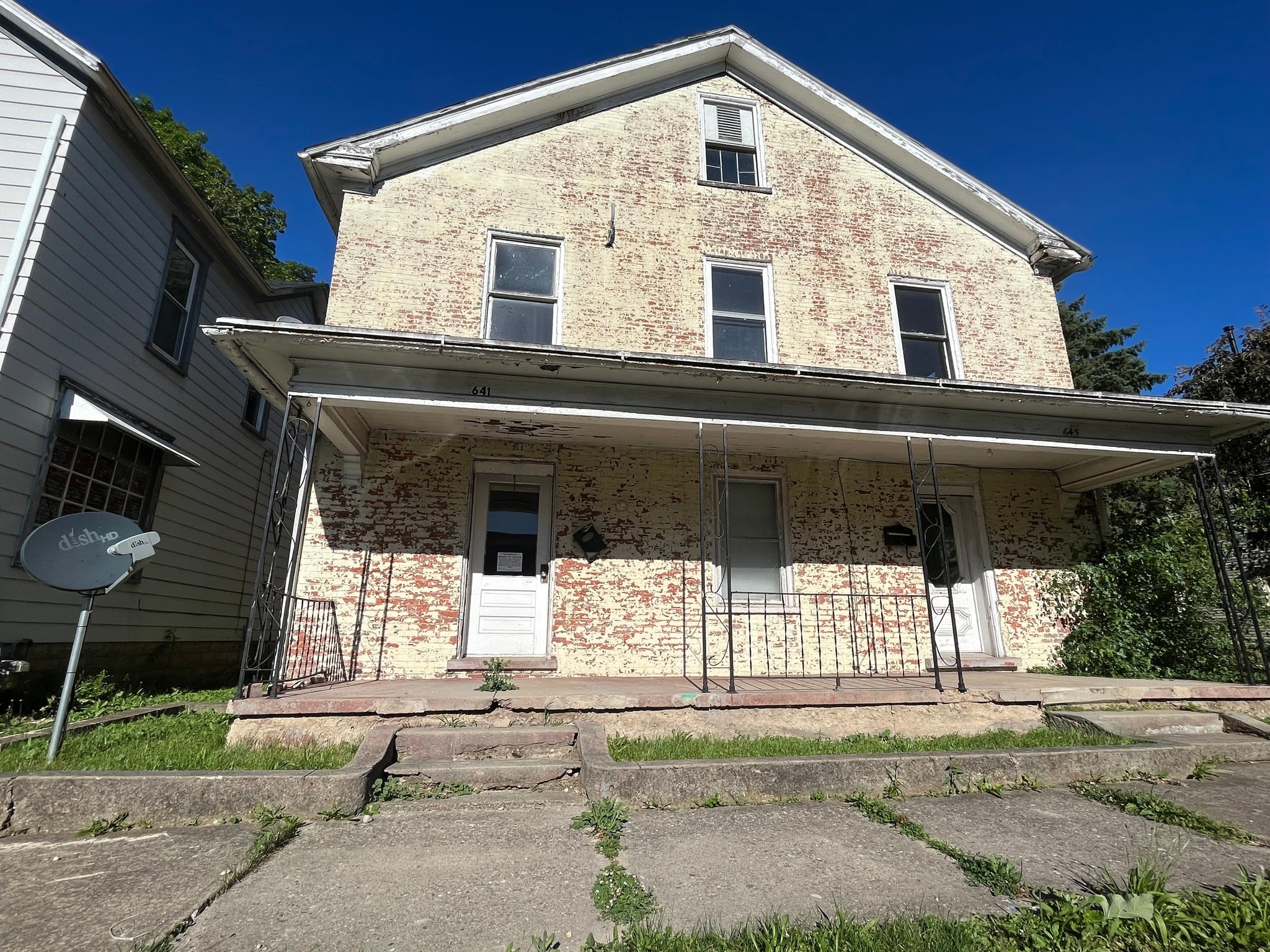
When you buy a single property, you choose it carefully. When you buy a portfolio, there are often properties you wouldn’t want—but they’re part of the package. Sellers often want to unload weaker assets as part of the deal. In our business plan, we usually plan ahead to sell those properties immediately—at any price—and use the proceeds to fund renovations on stronger assets.
👉 Stabilizing the ship
When we started, we thought it would take about a year to stabilize the properties (renovations, rent increases, tenant placement) and refinance. In reality, we learned that a large portfolio typically takes 18–24 months to fully stabilize. There’s a lot to say about this, but in short—financial efficiency often comes at the cost of time. With single properties, it’s usually easier to give each one “royal treatment.”
There are, of course, additional considerations, but I find these to be the main ones.
It’s important for me to emphasize: there is no right or wrong here. All paths are valid. Everyone needs to decide what fits them best.
You can compare it to a real estate agent who spends the entire year chasing one $5M listing, while others take every listing regardless of price—and eventually reach $5M as well.
In the next post: Can you really achieve financial freedom through a real estate portfolio?
As usual—feel free to share, ask questions, give some love, or just comment to help the algorithm ⚡
Photo caption: 🐺 A wolf in a bag.
A duplex that was part of a large portfolio. The renovation costs were insane and not worth it. We sold it for $25,000, which helped us close the gap on renovating another property.
























Responses