
Nashville Zoning System


Nashville Zoning System – managed by the Metro Planning Department – divides land into categories that regulate how properties can be used and developed.
Main Zoning Types:
Agricultural (AG, AR2a): Agricultural and rural uses.
Residential (RS, R, RM): Single-family, duplex, and multi-family homes.
Office & Commercial (OR, CN, CL, CS, CA): Businesses, retail, and office uses.
Mixed Use (MUN, MUL, MUG, MUI): Combination of residential, commercial, and office.
Industrial (IWD, IR, IG): Light and heavy manufacturing or storage.
Special Purpose (SP): Custom zoning for unique developments.
Overlay Districts: Add additional restrictions, such as design preservation, historic considerations, or special uses beyond the base zoning.
Due Diligence Steps in Zoning:
Verify the zoning type on the Metro map and confirm allowed uses.
Check for overlay districts or SP plans that add requirements or restrictions.
Review development standards such as maximum height, building lines, and parking.
Assess infrastructure and public services—some lots may lack sewer or road access.
Consult community and city plans to see if future rezoning is possible.
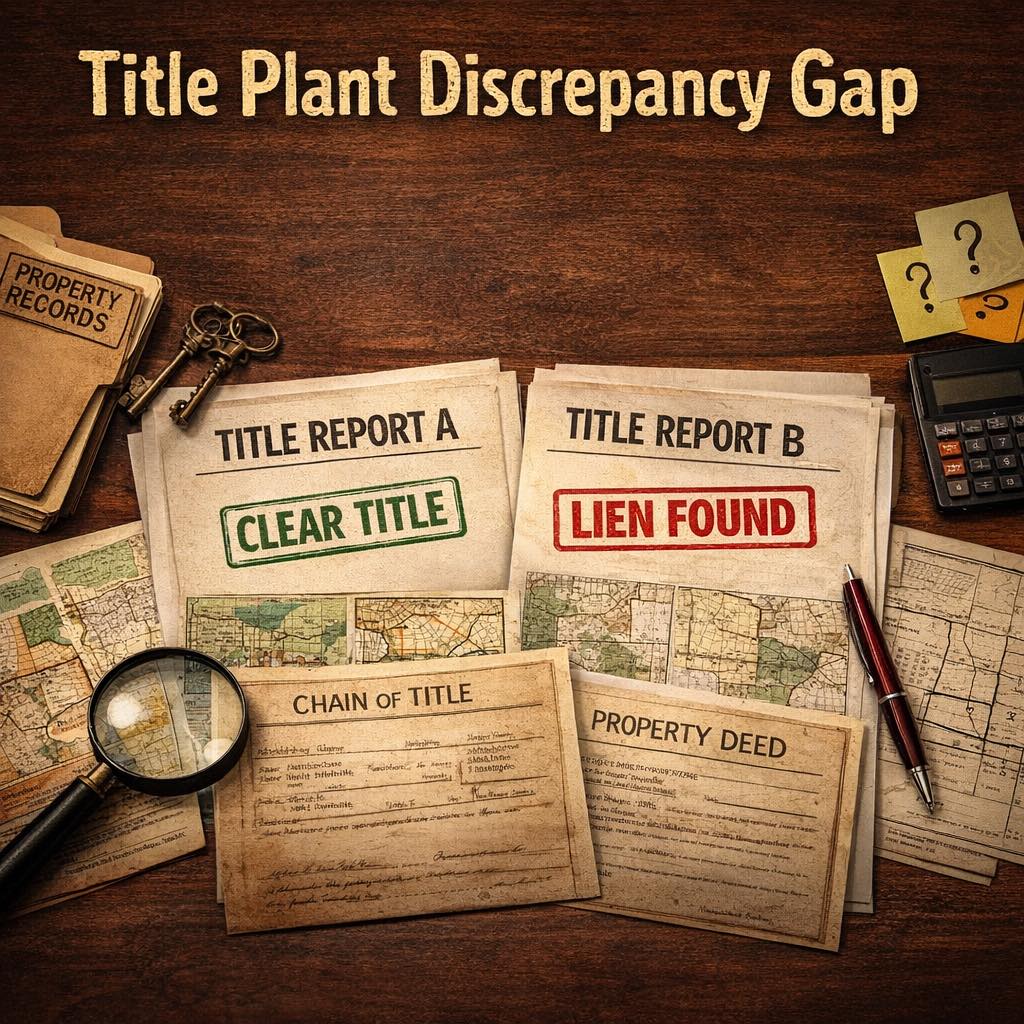
Review ownership, liens, and easements to prevent hidden restrictions.
Evaluate the time and costs required for permits or rezoning.
Consider the community’s position and potential objections.
Bottom Line:
Proper due diligence in Nashville means confirming all zoning rules, additional restrictions, and development conditions before purchasing or developing land. This helps avoid costly surprises and ensures your project complies with the city’s planning policies.
💡 Note: Content created with ChatGPT, but it’s essential to know if you’re considering buying land in Nashville.


















Responses