
Mortgage Rates Edge Higher This Week, Still Hover Near Multi-Year Laps


Mortgage rates did move a bit higher this week, but the bigger picture still looks favorable. Even after the recent increase, today’s rates remain close to the lowest levels seen since early 2023. The key detail is that rates dipped sharply last week and then spent most of this week slowly moving back up from those lows.
While the changes may seem minor, they matter because of how weekly mortgage rate data is reported. The popular weekly survey from Freddie Mac is released on Thursdays. That timing meant it missed last Friday’s sharp drop in daily rates and also did not capture the gradual rise that followed during the current week. As a result, some headlines don’t fully reflect what borrowers actually experienced day to day.
What Caused Last Week’s Sharp Drop
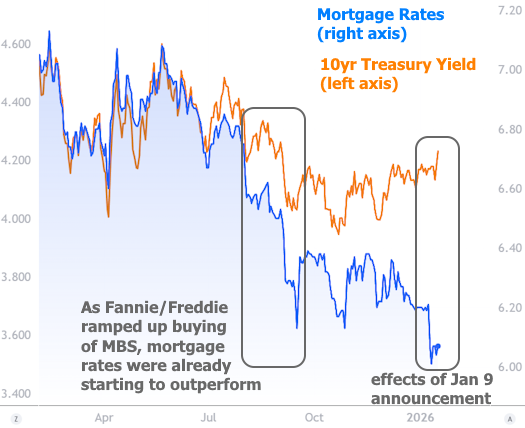
The big move lower in rates last week followed an announcement that Fannie Mae and Freddie Mac would begin purchasing $200 billion in mortgage-backed securities (MBS). These securities are the bonds that directly influence mortgage rates.
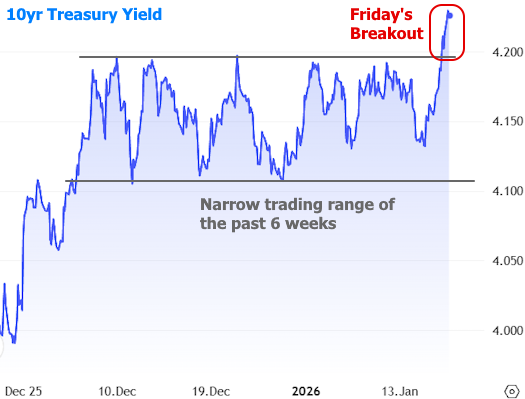
While these purchases cannot completely change the direction of the broader bond market, they can help mortgage rates perform better than usual when compared with their traditional benchmark, the 10-year Treasury yield. That has been especially important recently, as Treasury yields have been pushing higher.
Why Mortgage Rates Haven’t Followed Treasury Yields
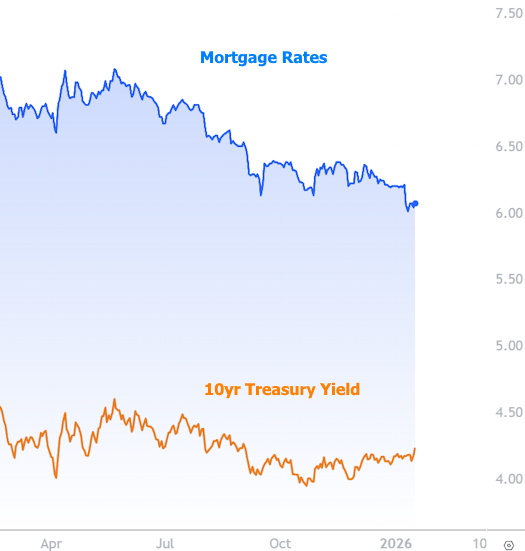
Normally, mortgage rates and Treasury yields move closely together. Over the past several months, that relationship has weakened. Even before last week’s announcement, Fannie and Freddie were already net buyers of MBS, which helped mortgage rates resist upward pressure coming from Treasuries.
After the official announcement, the gap became more obvious. Treasury yields have been trending higher, but mortgage rates have held up much better than they otherwise would have. In simple terms, without the GSE bond purchases, average 30-year fixed mortgage rates would likely be well below 6% today if Treasury yields were moving lower instead of higher.
What Comes Next for Rates
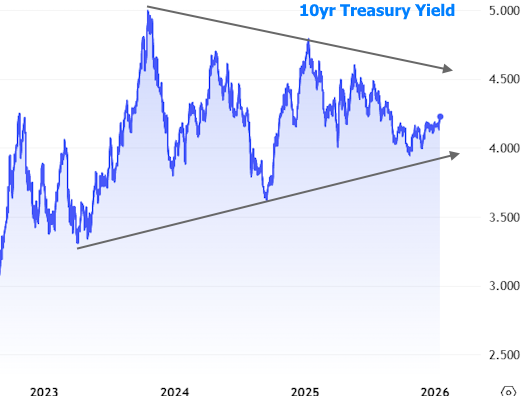
The outlook for Treasury yields — and by extension mortgage rates — is still uncertain. While yields recently moved above a short-term range, they remain stuck within a much broader long-term range. Markets are waiting for clearer signals before making a strong move in either direction.
Several factors will influence what happens next:
- Government borrowing: Heavy Treasury issuance tied to large budget deficits limits how far rates can fall compared to the record lows of 2020–2022.
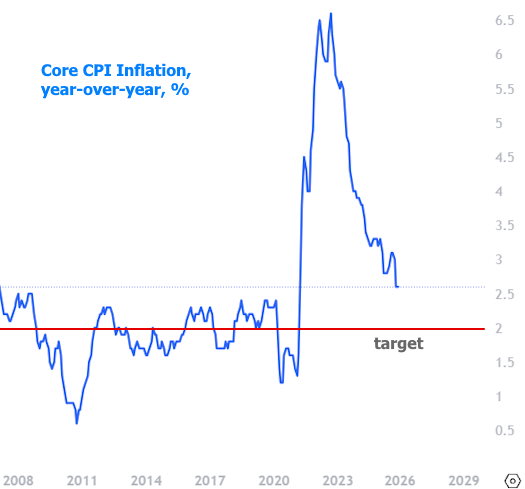
- Inflation data: This week’s inflation reports didn’t cause harm, but inflation hasn’t cooled fast enough to push rates meaningfully lower.
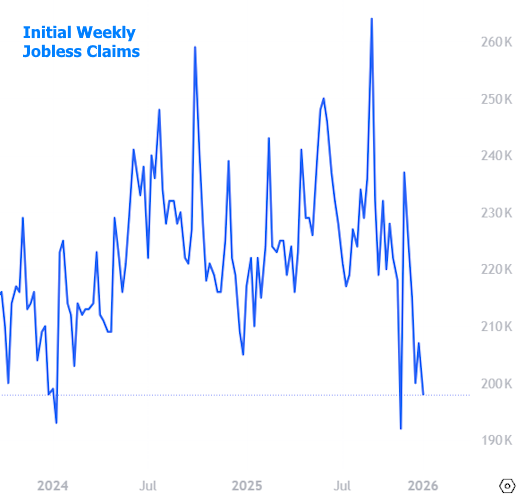
- Labor market strength: Strong job data continues to work against lower rates. This week’s stronger-than-expected jobless claims report is a good example of how resilient labor conditions can push yields higher.
Bottom Line
Mortgage rates did rise slightly this week, but they remain near multi-year lows thanks to continued support from Fannie and Freddie’s MBS purchases. Broader bond market forces are still applying upward pressure, yet that pressure has been largely offset for now. Future movement will depend mainly on inflation trends and whether the labor market finally shows clearer signs of slowing. For direct financing consultations or mortgage options for you visit 👉 Nadlan Capital Group.























Responses