
Fed Chair Powell on Inflation and Oil Shocks: No Urgent Action Needed for Rate Hikes

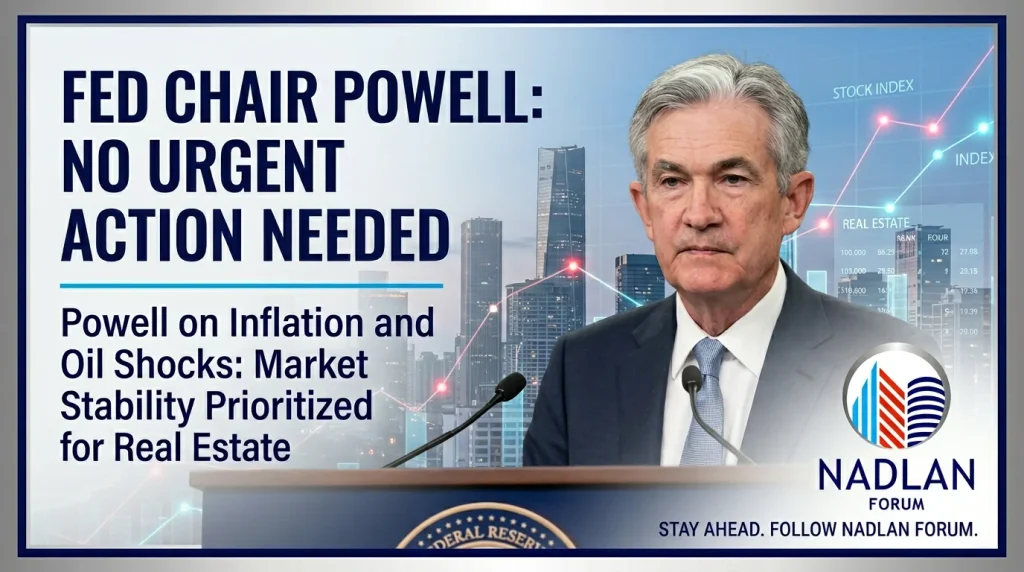
Federal Reserve Chair Jerome Powell, speaking at Harvard University, reassured markets that inflation expectations remain well-anchored despite the ongoing rise in energy prices. He emphasized that there is no immediate need for the Federal Reserve to raise interest rates due to the recent oil price shock, as the long-term effects on the economy are still uncertain.
Powell’s comments have been pivotal in influencing financial markets, as traders adjusted their expectations, now seeing a lower probability of an interest rate hike this year. His remarks come at a crucial time as the Fed continues to monitor economic trends while preparing for his leadership transition in May 2026.
No Immediate Need for Rate Hikes Despite Rising Energy Costs
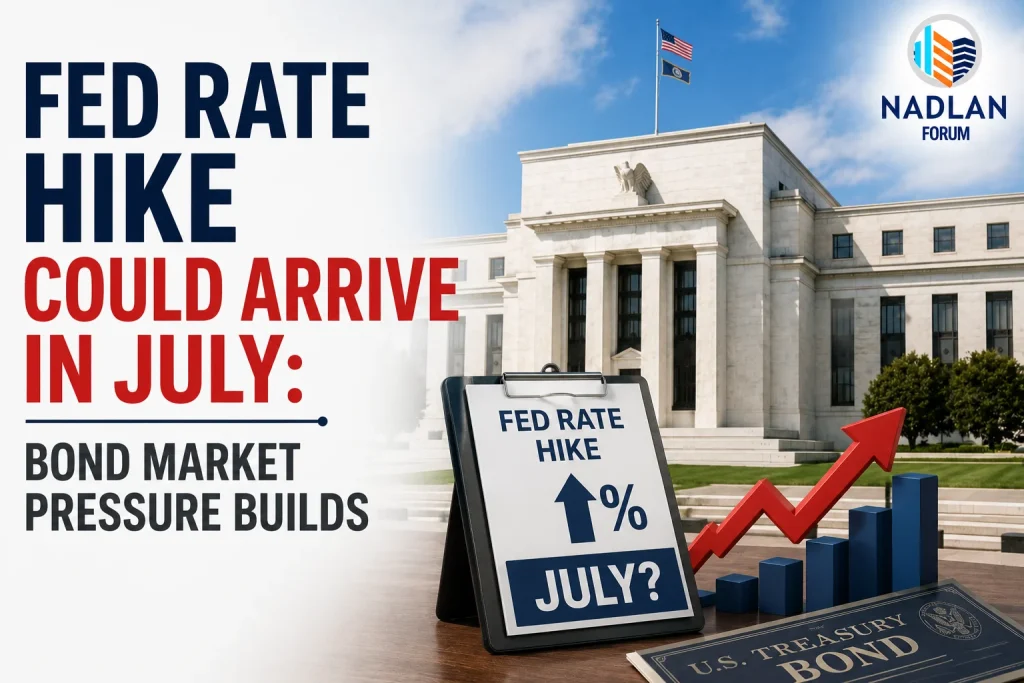
In his discussion of Jerome Powell rate hikes oil shock, Powell stated that the Fed is not yet facing the decision to raise rates because of the recent surge in oil prices linked to the ongoing conflict in the Middle East. He explained that tightening monetary policy in response to a supply shock, like rising energy prices, would have minimal effect on inflation in the short term. By the time the impacts of rate hikes are felt, the oil price shock may have already passed, potentially hurting the economy when it’s not needed.
“I think the prudent thing to do right now is to look through this supply shock and stay focused on our broader goals price stability and full employment,” Powell said. He noted that the current rate target of 3.5%-3.75% is appropriate for the time being, and the Fed will continue to observe the economic situation, including the effects of the Iran war and global tariffs.
Impact of the Iran War and Tariffs on Inflation
Powell highlighted the ongoing effects of the Iran war on global oil prices and warned that the conflict could continue to add upward pressure on inflation. Despite these short-term challenges, Powell maintained that the central bank should remain cautious and avoid knee-jerk rate hikes that could inadvertently harm economic growth.
The Fed’s primary concern, Powell reiterated, is to balance price stability with fostering low unemployment. If the economy shows signs of slowing due to external factors like oil price spikes, it may not be the right time for tightening, as the full effects of rate hikes may take months or even years to materialize.
Financial Markets Respond to Powell’s Reassurances
Powell’s comments were well-received by financial markets, with traders reducing their expectations for a rate hike in the near term. The CME Group’s FedWatch Tool indicated that the probability of an interest rate increase in 2026 has dropped to below 50% a sign that market participants are confident in the Fed’s current stance.
This reassured investors who were concerned about a sudden tightening of monetary policy in response to global disruptions, particularly the rise in oil prices. Powell’s message was clear: while inflation is a concern, the Fed is carefully considering the broader economic picture and the potential long-term impacts of any policy changes.
Rising Defaults in Private Credit: Powell Remains Cautious
In his speech, Powell also addressed the rising concerns within the private credit sector, which has seen increased defaults and investor withdrawals. Despite these issues, Powell emphasized that there is no indication that the private credit challenges are spreading into broader financial system risks. He acknowledged that while there may be losses in the sector, it does not currently pose a systemic threat to the economy.
“We’re monitoring the situation, but we don’t see signs of contagion right now,” Powell said, reassuring both investors and policymakers that the situation remains contained.
What’s Next for the Federal Reserve?
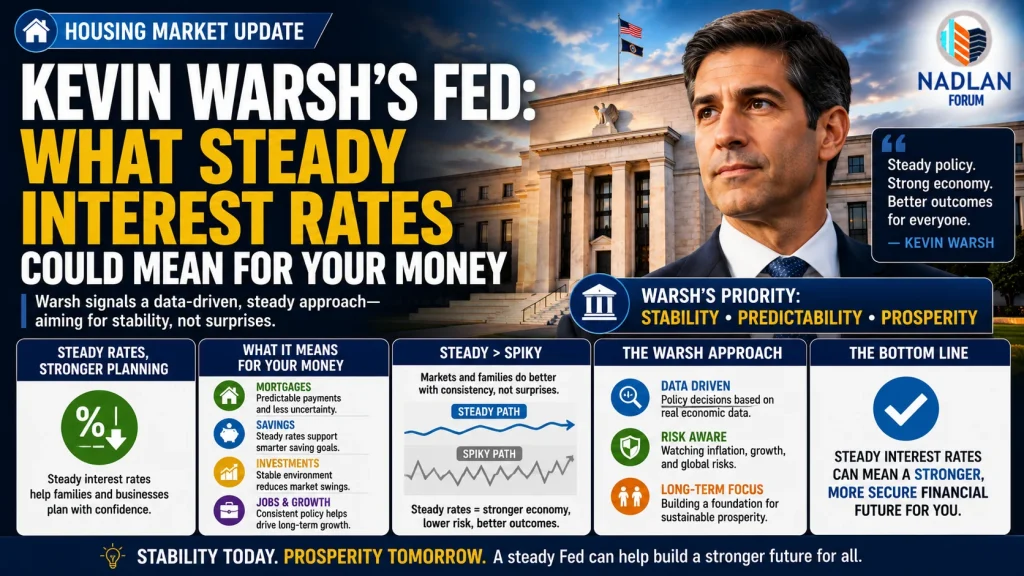
Looking ahead, Powell’s term as Fed Chair is set to end in May 2026, and discussions are already underway regarding his successor. The nomination of former Governor Kevin Warsh is currently delayed, with political hurdles to overcome. However, Powell’s calm and steady leadership during uncertain times has left the central bank in a relatively stable position.
As the economy faces ongoing global challenges, including energy price volatility and potential geopolitical risks, the Fed’s approach will remain focused on managing long-term economic stability. While the near-term outlook remains uncertain, Powell’s leadership has reinforced the need for caution and careful decision-making when it comes to interest rates.
Fed’s Dual Mandate: Price Stability and Full Employment
In conclusion of Jerome Powell rate hikes oil shock, Powell reiterated the importance of the Fed’s dual mandate: to promote price stability and to achieve full employment. While short-term shocks like rising energy prices can be concerning, the central bank will prioritize its broader economic goals. The Fed will continue to adjust its policies as needed, but for now, it is focused on maintaining a stable economic environment and avoiding hasty decisions that could negatively impact long-term growth.
As Powell prepares to step down, the Fed’s policy decisions in the coming months will continue to shape the U.S. economy, with inflation management and economic growth at the forefront of the central bank’s priorities. For direct financing consultations or mortgage options for you visit 👉 Nadlan Capital Group.











Responses