
Gas Prices Above $4 Won’t Trigger Rate Hikes: Fed May Cut Rates Instead

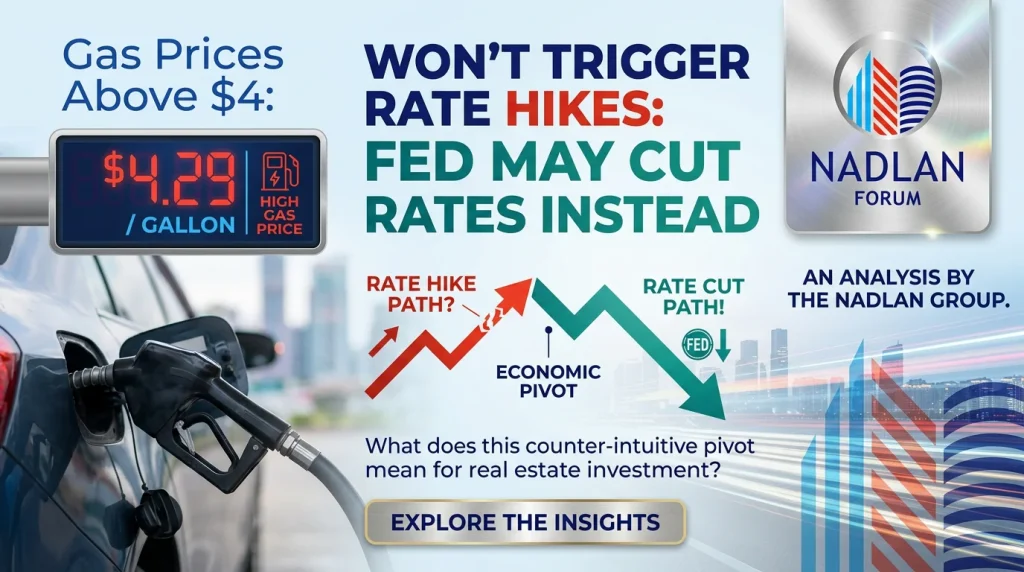
Gas prices rising above $4 per gallon might normally signal higher inflation and potential interest rate hikes. However, in 2026, the situation looks different. Market expectations and recent comments from Jerome Powell suggest that the Federal Reserve is unlikely to raise rates in response to the current energy shock and may even consider rate cuts later in the year.
This shift reflects a broader concern: higher energy prices may slow economic growth more than they contribute to long-term inflation.
Why the Fed Is Not Rushing to Raise Rates
The recent jump in gas prices is largely driven by supply-side factors, including geopolitical tensions and disruptions in global energy markets. These types of shocks are different from demand-driven inflation, which central banks are more likely to target with rate hikes.
Powell made it clear that reacting too quickly could backfire. Rate hikes take time to affect the economy, and by the time they do, the oil shock may already have faded. Tightening policy in response to a temporary spike could instead weaken the economy at the wrong moment.
In simple terms, raising rates now would not lower gas prices—but it could slow spending, hiring, and investment.
Markets Shift Expectations Toward Rate Cuts
Just days before these comments, markets were beginning to price in the possibility of rate hikes due to rising inflation data. However, sentiment quickly shifted after Powell’s remarks.
According to the CME Group FedWatch tool, the probability of a rate hike by the end of 2026 dropped to just around 2%. Meanwhile, expectations for rate cuts have started to increase, though they are still not certain.
This change shows how sensitive market expectations are to economic signals and central bank guidance.
Inflation vs. Growth: The Core Dilemma
The Federal Reserve is currently facing a difficult balancing act. On one hand, higher oil prices push inflation higher. On the other hand, they reduce consumer spending power and business activity.
This creates what economists often call a “stagflation risk”—a mix of slow growth and rising prices.
Some analysts believe the bigger risk is not inflation itself, but what comes after. When energy costs rise sharply, households and businesses often cut back on spending. This process, known as demand destruction, can lead to:
- Fewer home purchases
- Lower consumer spending
- Reduced business investment
- Slower job growth
In this scenario, raising interest rates would only make things worse.
Why Energy-Driven Inflation Is Treated Differently
Not all inflation is the same. The Fed tends to “look through” inflation caused by temporary supply shocks, such as oil price spikes.
This is because:
- Energy prices are volatile and can reverse quickly
- Rate hikes do not directly reduce oil or gas prices
- The economic damage from tightening may outweigh the benefits
Instead, policymakers focus more on core inflation (which excludes energy and food) and long-term inflation expectations.
So far, those expectations remain relatively stable, giving the Fed room to stay patient.
Could Rate Cuts Come Later in 2026?
While rate cuts are not guaranteed, the possibility is growing. Some analysts believe that if economic growth slows significantly, the Fed may need to step in to support the economy.
There is even speculation that cuts could come sooner than expected, possibly by late 2026, and could be larger than the typical quarter-point adjustments.
This would mark a shift from fighting inflation to supporting growth and employment.
What This Means for Consumers and Investors
For consumers, this environment creates mixed signals:
- Gas prices remain high, increasing everyday costs
- Borrowing costs may stabilize or even fall later
- Economic uncertainty could affect jobs and wages
For investors, the focus is shifting from inflation fears to growth risks. Markets are now watching closely for signs of economic slowdown rather than just price increases.
The Bottom Line
Even though gas prices have crossed $4 per gallon, the Federal Reserve is unlikely to respond with immediate rate hikes. Instead, policymakers are focusing on the broader economic picture, where the risk of slowing growth may outweigh short-term inflation concerns.
The current outlook suggests a cautious Fed one that is willing to wait, monitor conditions, and adjust policy only when necessary. If the economic impact of high energy prices deepens, rate cuts not hikes could become the next move. For direct financing consultations or mortgage options for you visit 👉 Nadlan Capital Group.
















Responses