
Section 301 Trade Investigations Explained: How They Could Shape Trump’s Tariff Policy

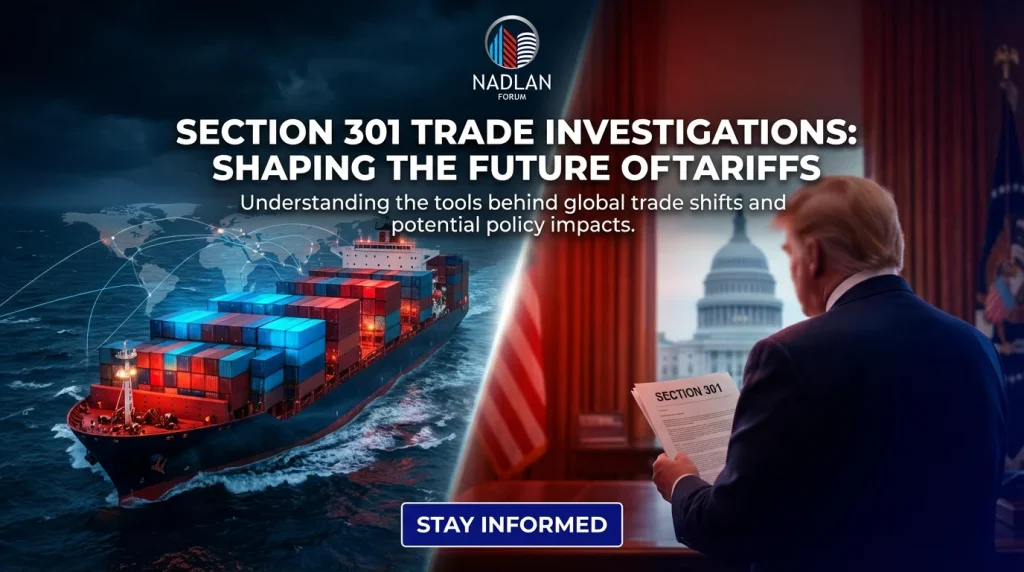
The United States has launched a new round of Section 301 trade investigations, targeting several major trading partners including China, Mexico, the European Union and more than a dozen other economies.
These probes are part of a broader effort by the U.S. government to examine whether foreign trade practices are harming American businesses and industries. If the investigations confirm unfair trade activity, the government could respond by introducing new tariffs or other trade restrictions.
The move has drawn attention from economists and policymakers because it may play a major role in shaping U.S. trade policy in the coming months.
What Section 301 of the Trade Act Means
Section 301 of the Trade Act of 1974 allows the U.S. government to investigate foreign trade practices that may disadvantage American companies.
Under this law, the United States Trade Representative (USTR) can examine whether a foreign country’s policies are:
- Unreasonable
- Discriminatory
- Restricting U.S. commerce or trade
If such practices are identified, the USTR can recommend actions to address the issue.
Possible responses include:
- New tariffs on imported goods
- Import restrictions
- Fees on foreign services
- Suspension of trade benefits or agreements
The goal is to pressure foreign governments to adjust their policies or negotiate new trade arrangements with the United States.
Countries and Economies Under Investigation
The latest investigations cover 16 trading partners, reflecting a broad focus on global manufacturing and trade practices.
Among the economies included in the probes are:
- China
- Mexico
- European Union members
- India
- Singapore
- Switzerland
- Norway
These investigations will review whether certain policies or industrial practices in these regions are affecting U.S. industries.
Many of the cases focus on claims that foreign manufacturers are producing more goods than their domestic markets need and exporting the excess to the United States at low prices.
Why the US Government Started New Probes
The timing of the new Section 301 trade investigations is closely tied to a recent legal ruling affecting U.S. tariff policy.
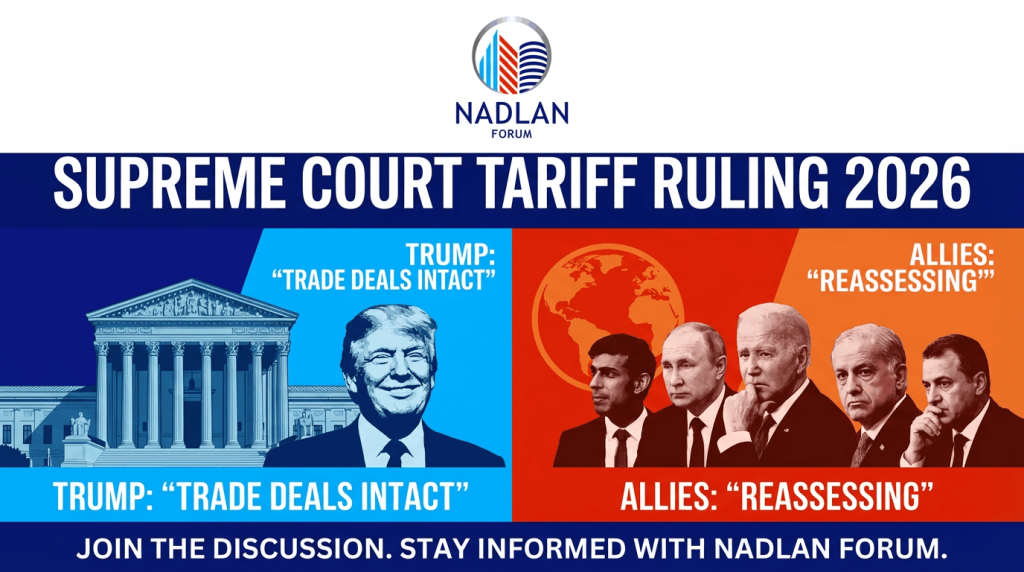
A Supreme Court decision earlier this year determined that certain tariffs imposed by the administration under emergency powers were not lawful.
Those tariffs had been applied broadly to imports from several trading partners.
After the ruling blocked those tariffs, policymakers began looking for alternative legal pathways to continue addressing trade imbalances.
Launching Section 301 investigations provides a formal process that could lead to new tariffs if unfair trade practices are identified.
Temporary Tariffs Already Introduced
While the investigations are underway, the government has already implemented a temporary tariff policy.
Using another provision of the Trade Act, Section 122, the administration introduced a 10% universal tariff on imported goods.
Officials have indicated that the rate could rise to 15% in the future depending on trade developments.
However, these tariffs are temporary and cannot remain in place indefinitely under the law.
Section 301 investigations offer a potential long-term solution because they allow tariffs to be imposed following a detailed review process.
Focus on Manufacturing and Industrial Capacity
The new trade probes are primarily focused on manufacturing sectors and global production capacity.
U.S. officials argue that some countries maintain large manufacturing industries that produce more goods than domestic markets can absorb.
As a result, excess production may be exported to global markets, including the United States.
This practice is often described as “dumping,” where products are sold at very low prices in foreign markets.
American policymakers say such activity can make it difficult for domestic manufacturers to compete and maintain jobs.
The government has also linked the investigations to broader efforts to strengthen U.S. industrial production and secure domestic supply chains.
Next Steps in the Investigation Process
The Section 301 process involves several stages before any trade action is taken.
First, the USTR will begin consultations with the governments whose policies are under review.
Public hearings are also scheduled, allowing industry groups, companies, and economists to provide input.
According to the announced timeline, public hearings are expected to begin in early May.
After gathering evidence and conducting analysis, the USTR will publish its findings and determine whether trade restrictions are necessary.
If the agency concludes that certain policies harm U.S. commerce, it may recommend tariffs or other measures to address the issue.
Potential Outcomes of the Probes
If the investigations confirm unfair trade practices, several outcomes are possible.
The U.S. government may:
- Introduce new tariffs on imported goods
- Apply fees on foreign services
- Suspend trade agreement concessions
- Negotiate changes to foreign trade policies
In some cases, trade disputes are resolved through negotiations rather than tariffs.
Foreign governments may agree to adjust policies or provide compensation to avoid trade penalties.
Reaction From Global Trading Partners
Some countries targeted by the investigations have already expressed concerns.
Officials in both China and the European Union have warned that new trade restrictions could complicate existing trade relationships.
They have also suggested that recent agreements reached with the United States could be affected if additional tariffs are introduced.
Global markets tend to react closely to trade policy changes because tariffs can influence supply chains, product prices, and international investment.
What Analysts Are Saying
Economists note that Section 301 investigations take time to complete because they involve evidence gathering, legal review, and negotiations.
As a result, any new tariffs that emerge from the process would likely appear later in the year.
Some analysts believe the investigations could serve as leverage in future trade negotiations.
Rather than immediately imposing tariffs, the U.S. government may use the possibility of trade restrictions to encourage trading partners to change certain policies.
Why Section 301 Matters for Global Trade
The renewed focus on Section 301 trade investigations highlights the growing importance of trade policy in shaping the global economy.
Tariffs and trade restrictions can influence:
- Manufacturing supply chains
- Import and export prices
- Employment in domestic industries
- International economic relationships
For businesses and investors, the outcome of these investigations could affect global trade flows and economic activity in multiple sectors.
While the investigations are still in their early stages, they are expected to remain a key part of the U.S. trade policy discussion throughout the year. For direct financing consultations or mortgage options for you visit 👉 Nadlan Capital Group.














Responses