
Climate Risk and Homebuying: How Weather and Insurance Costs Shape Decisions

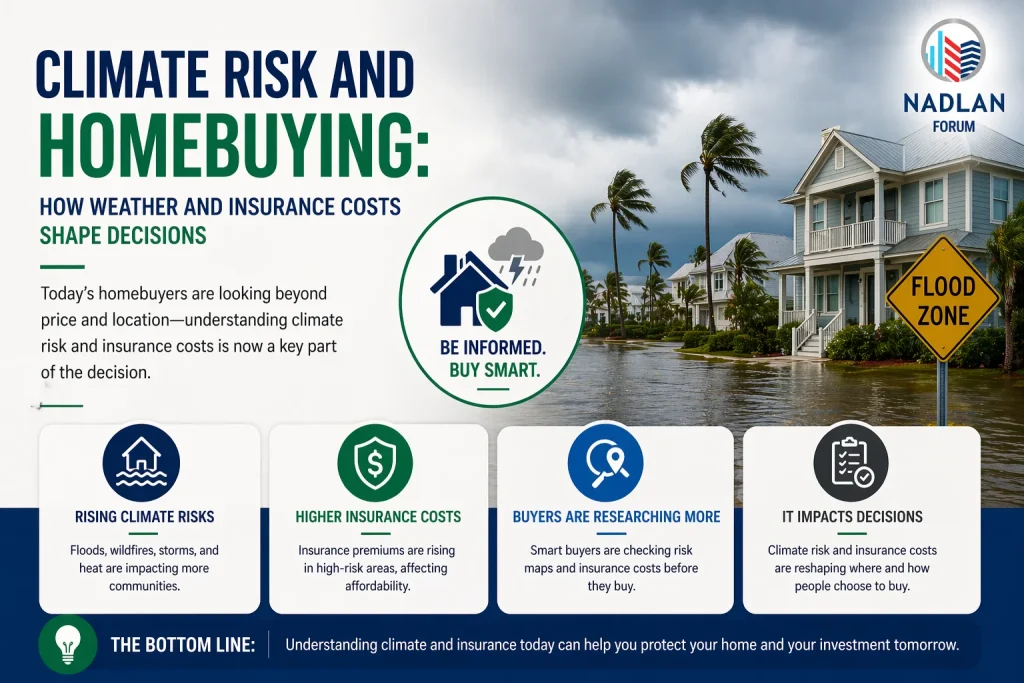
Rising Climate Concerns Are Changing Housing Decisions
Climate-related risks are becoming a major factor in how Americans approach homeownership. A recent study by LendingTree shows that buyers are no longer focused only on price, location, and size they are now thinking about weather risks, safety, and long-term costs.
About 30% of homeowners say they have decided not to buy a home because of concerns tied to climate hazards. This shift shows how environmental factors are starting to influence real estate decisions in a more direct way than before.
Long-Term Worries About Climate Impact
Concern about future risks is widespread. Nearly 68% of homeowners believe climate-related threats could affect their property within the next decade, while about 72% expect these risks to increase over time.
In addition, around 60% of Americans feel that extreme weather is already becoming more common in the areas they are considering for living. These concerns are not limited to one region they are being reported across cities, suburbs, and rural communities.

Top Climate Risks Buyers Are Watching
Homebuyers are paying close attention to specific hazards that could damage property or increase costs. The most common concerns include:
- Power outages from severe weather (40%)
- Winter storms and extreme cold (36%)
- Severe storms (34%)
- Extreme heat (32%)
- Flooding (23%)
- Poor air quality or smoke (22%)
- Drought or water shortages (19%)
- Hurricanes and tropical storms (19%)
- Wildfires (16%)
These risks are not just theoretical. Around 88% of Americans report experiencing at least one climate-related event in the past five years, with many facing property damage or repair costs.
Insurance Costs Are Becoming a Key Factor
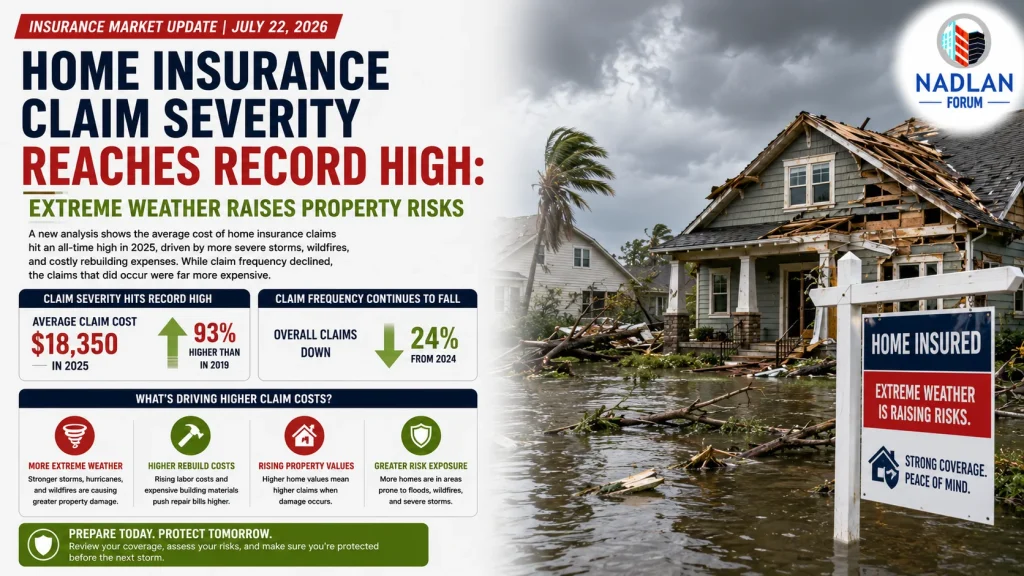
One of the biggest ways climate risk affects homebuying is through insurance. As weather-related claims increase, insurance premiums are rising.
More than half of homeowners (56%) say their insurance costs have increased in the past year, and many expect those costs to continue climbing.
Another concern is coverage itself. Some risks such as flooding are not included in standard homeowners insurance policies. This means buyers may need additional coverage, adding to their total housing expenses.
Hidden Costs Buyers Must Consider
Insurance is now a major part of the total cost of owning a home. It directly affects monthly payments, often referred to as PITI (principal, interest, taxes, and insurance).
Higher insurance costs can:
- Reduce how much buyers can afford
- Increase monthly payments
- Limit loan approval amounts
In some cases, buyers may choose a less expensive home just to manage insurance expenses, or move to lower-risk areas to keep costs down.
Younger Buyers Are Leading the Shift
Climate concerns are especially strong among younger generations.
- 62% of Gen Z buyers say they have avoided a home due to climate risk
- 46% of millennials report the same
These groups are also more likely to take action:
- About 25% of Gen Z are considering moving climate risks
- Around 32% have already relocated
This shows a clear trend: younger buyers are more willing to change plans based on environmental factors.
Demand for Transparency in Homebuying
As climate risks grow, buyers are asking for more information before making decisions. Key details they want include:
- Flood zone and flood risk ratings (73%)
- History of flooding or wildfire damage (72%)
- Past storm or hail damage (66%)
- Local hazard history (66%)
- Wildfire risk levels (66%)
- Evacuation zone status (66%)
- Estimated insurance costs (63%)
This demand for transparency is pushing sellers, agents, and platforms to provide clearer property data.
Relocation Trends Are Emerging
Climate risk is not just affecting individual purchases—it is influencing where people choose to live.
- About 18% of Americans are considering moving climate concerns
- Around 17% have already moved for this reason
Many buyers are prioritizing safety and stability over location preferences, even if it means moving farther from job centers or urban areas.
Balancing Cost vs. Risk
Interestingly, some buyers are willing to pay more for safer locations. Around 32% of respondents say they would choose a higher-cost home in a lower-risk area rather than a cheaper home with higher climate risk.
This trend is even stronger among:
- Gen Z (43%)
- Millennials (41%)
- Families with children (46%)
It shows a shift in priorities buyers are thinking long-term about risk, not just short-term affordability.
What This Means for the Housing Market
Climate risk is becoming a core factor in real estate decisions. It is shaping:
- Where people buy homes
- How much they are willing to pay
- What features they prioritize
- How lenders assess affordability
Over time, this could lead to price differences between high-risk and low-risk areas, as demand shifts.
The Bottom Line
Climate risk and rising insurance costs are now key parts of the homebuying process in 2026. Buyers are looking beyond price and focusing on safety, long-term expenses, and future risks.
For anyone planning to buy a home, factoring in climate hazards and insurance costs is no longer optional it is an essential step in making a smart and sustainable decision. For direct financing consultations or mortgage options for you visit 👉 Nadlan Capital Group.















Responses