
Core Inflation Hits 3.2% in March: U.S. Economy Grows at Slower Pace

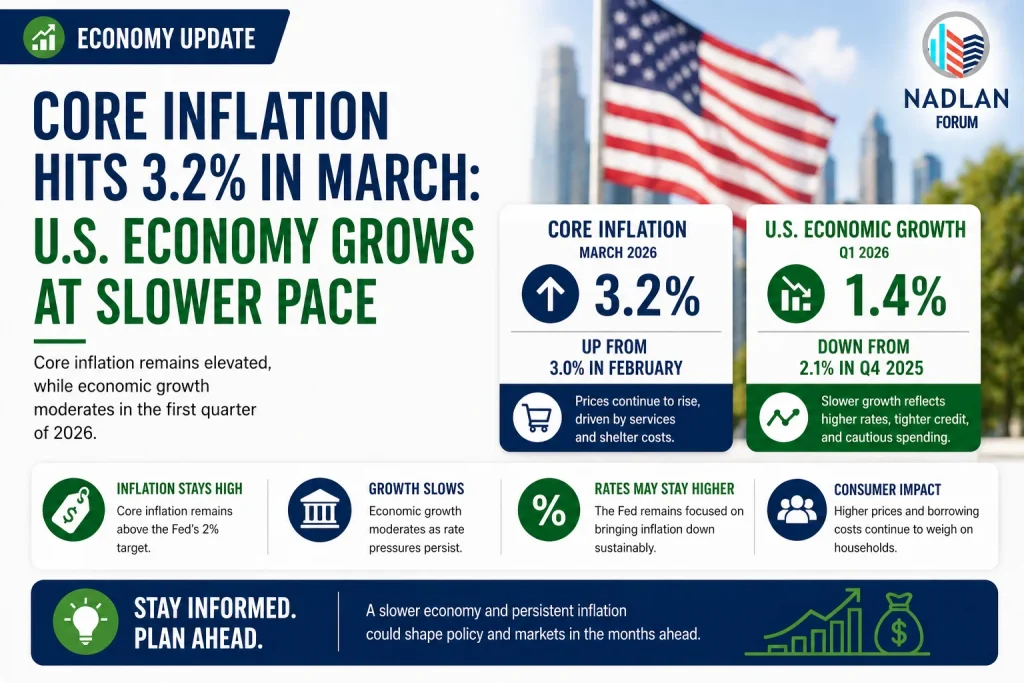
New economic data for March 2026 shows a mixed picture for the U.S. economy. Inflation continues to rise, while overall economic growth remains moderate. The latest reports highlight ongoing pressure on consumers, even as the job market stays strong.
Core Inflation Moves Higher
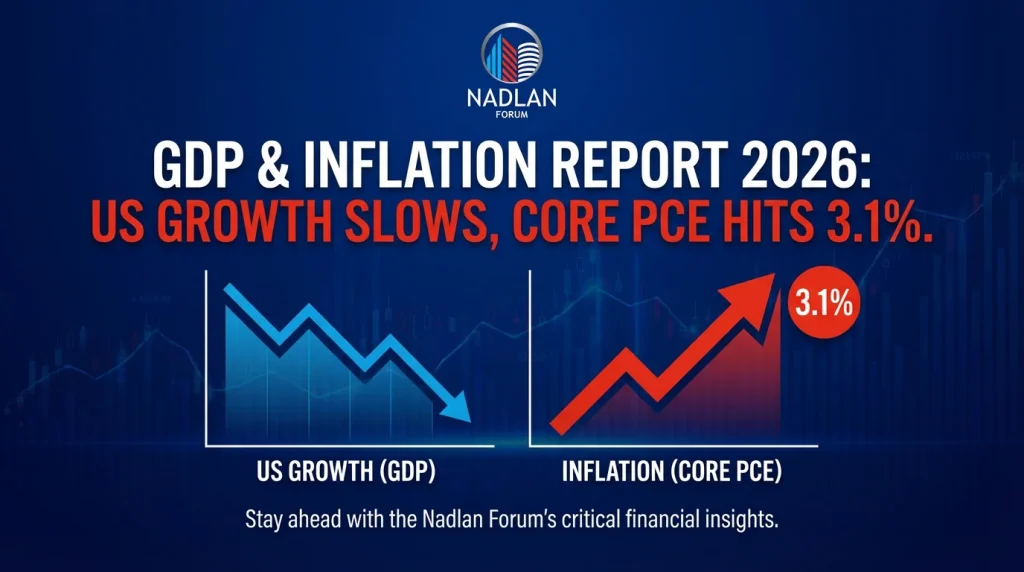
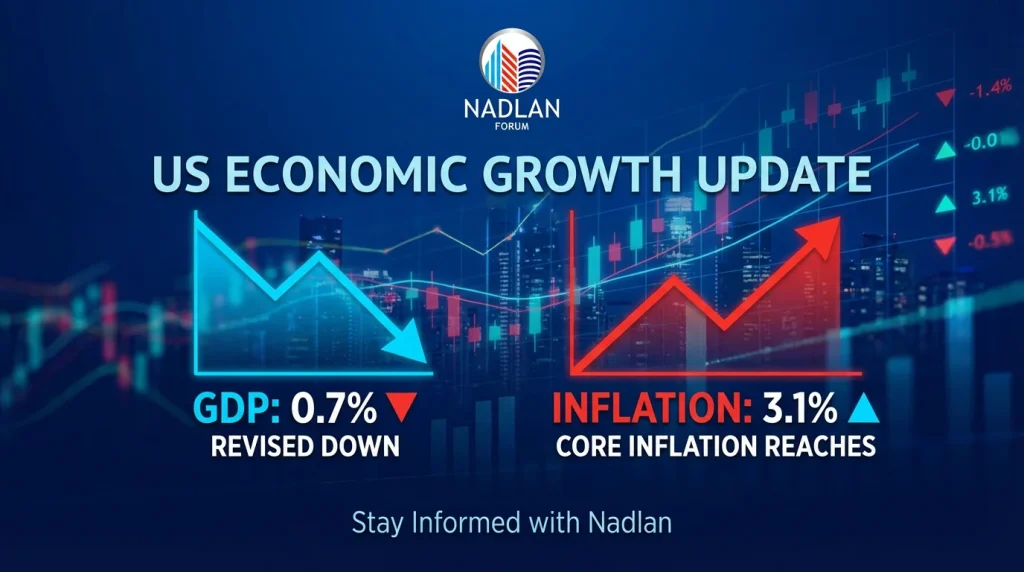
According to data from the U.S. Department of Commerce, the core Personal Consumption Expenditures (PCE) index increased by 0.3% in March. On an annual basis, core inflation reached 3.2%.
This measure excludes food and energy prices and is closely watched by the Federal Reserve when setting interest rate policy.
The latest figure marks the highest core inflation level since late 2023, showing that price pressures are still present across the economy.
Headline Inflation Also Increases
When including all categories, including food and energy, inflation rose even more:
- Monthly increase: 0.7%
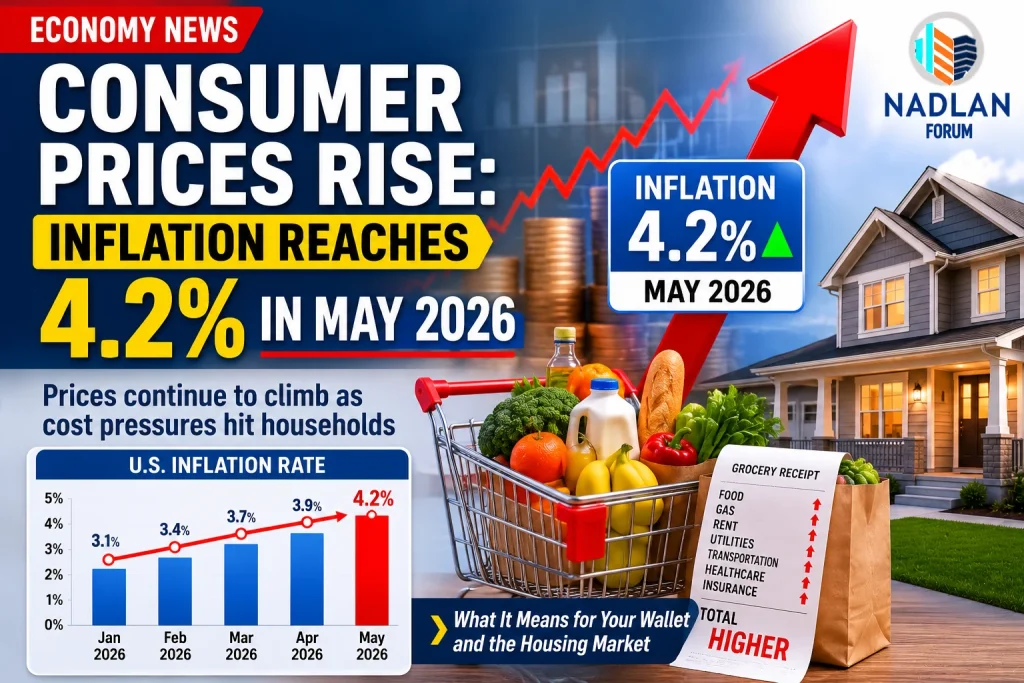
- Annual rate: 3.5%
The main driver behind the higher readings was a sharp rise in energy costs. Prices for energy-related goods and services jumped significantly, pushing overall inflation higher.
Economic Growth Slows in Q1
At the same time, the U.S. economy grew at a slower pace than expected.
Gross Domestic Product (GDP) increased at an annualized rate of 2% in the first quarter of 2026. While this is an improvement from 0.5% growth in the previous quarter, it fell short of the 2.2% forecast.
The slower growth reflects mixed conditions across different sectors of the economy.
Strong Labor Market Continues
Despite rising prices and slower growth, the labor market remains stable.
Data from the U.S. Department of Labor shows that initial jobless claims dropped to 189,000 for the week ending April 25. This is the lowest level recorded since 1969.
Low unemployment claims suggest that layoffs remain limited, even though hiring has slowed in some areas.
A Mixed Economic Picture
Economists describe the current situation as uneven, with different parts of the economy moving in different directions.
- Some industries, particularly those linked to artificial intelligence, are growing quickly
- At the same time, many households are dealing with higher living costs
- Rising fuel prices are adding pressure on everyday spending
This contrast highlights the challenges facing policymakers and consumers alike.
Consumer Spending Under Pressure
Higher prices are starting to impact how people spend money.
- Personal spending increased by 1.6% overall
- Spending on goods slightly declined
- Gas prices rose above $4 per gallon in many areas
Although total spending increased, much of that growth was driven by higher prices rather than increased purchasing power.
Government Spending Supports Growth
Government spending also played a role in supporting the economy during the first quarter.
- Total government spending increased by 4.4%
- Federal spending rose by 9.3%
These increases helped offset slower growth in other areas of the economy.
Federal Reserve Holds Rates Steady
The latest data comes shortly after the Federal Open Market Committee decided to keep interest rates unchanged.
However, the decision was not unanimous, showing that there are differing views among policymakers about how to respond to current conditions.
With inflation still above target and economic growth slowing, the Fed faces a difficult balance in deciding future rate moves.
Key Takeaways
- Core inflation rose to 3.2% in March 2026
- Headline inflation reached 3.5%, driven by energy costs
- U.S. GDP grew at 2% in Q1, below expectations
- Jobless claims fell to the lowest level in decades
- Consumer spending is rising, but largely due to higher prices
Final Outlook
The U.S. economy is currently in a period of mixed signals. Inflation remains above the Federal Reserve’s target, while economic growth is steady but not strong.
For consumers, higher prices especially for energy continue to reduce purchasing power. For policymakers, the challenge will be finding the right balance between controlling inflation and supporting economic growth.
The coming months will be important in determining whether inflation begins to ease or remains a key concern for the economy. For direct financing consultations or mortgage options for you visit 👉 Nadlan Capital Group.

















Responses