
Mortgage Rates Tread Water After Fed Decision, But All Eyes Now on Jobs Report


Mortgage rates took a subtle step lower today or at the very least, remained mostly steady with markets showing signs of cautious anticipation rather than big reactions. While the overall vibe in the rate world might feel muted, today was far from uneventful. In fact, Wednesday marked a noticeable uptick in economic events that could have shaken things up—but mostly didn’t. Yet.
Let’s break down what happened.
⚙️ Morning Data: A Mixed Bag (But Leaning Negative for Rates)
We started the day with some key economic reports, most notably the ADP employment data and the first estimate of Q2 GDP.
ADP’s payroll numbers came in higher than economists were expecting. Now, on its own, that doesn’t always mean much. The ADP report is notoriously unreliable for predicting the official government jobs numbers (coming Friday), but it still matters. Why? Because stronger labor data hints at a hotter economy and in turn, that could lead the Fed to keep interest rates higher for longer. And higher Fed expectations = upward pressure on mortgage rates.
Next up: GDP.
Gross Domestic Product growth for Q2 was reported at 3.0%, well above the 2.4% forecast. At first glance, that’s a strong number and strong growth generally isn’t great for interest rates either. But here’s where it gets interesting: inflation-adjusted consumer spending actually came in lower than expected, meaning people might be spending more but getting less for it. That nuance helps soften the rate impact slightly.
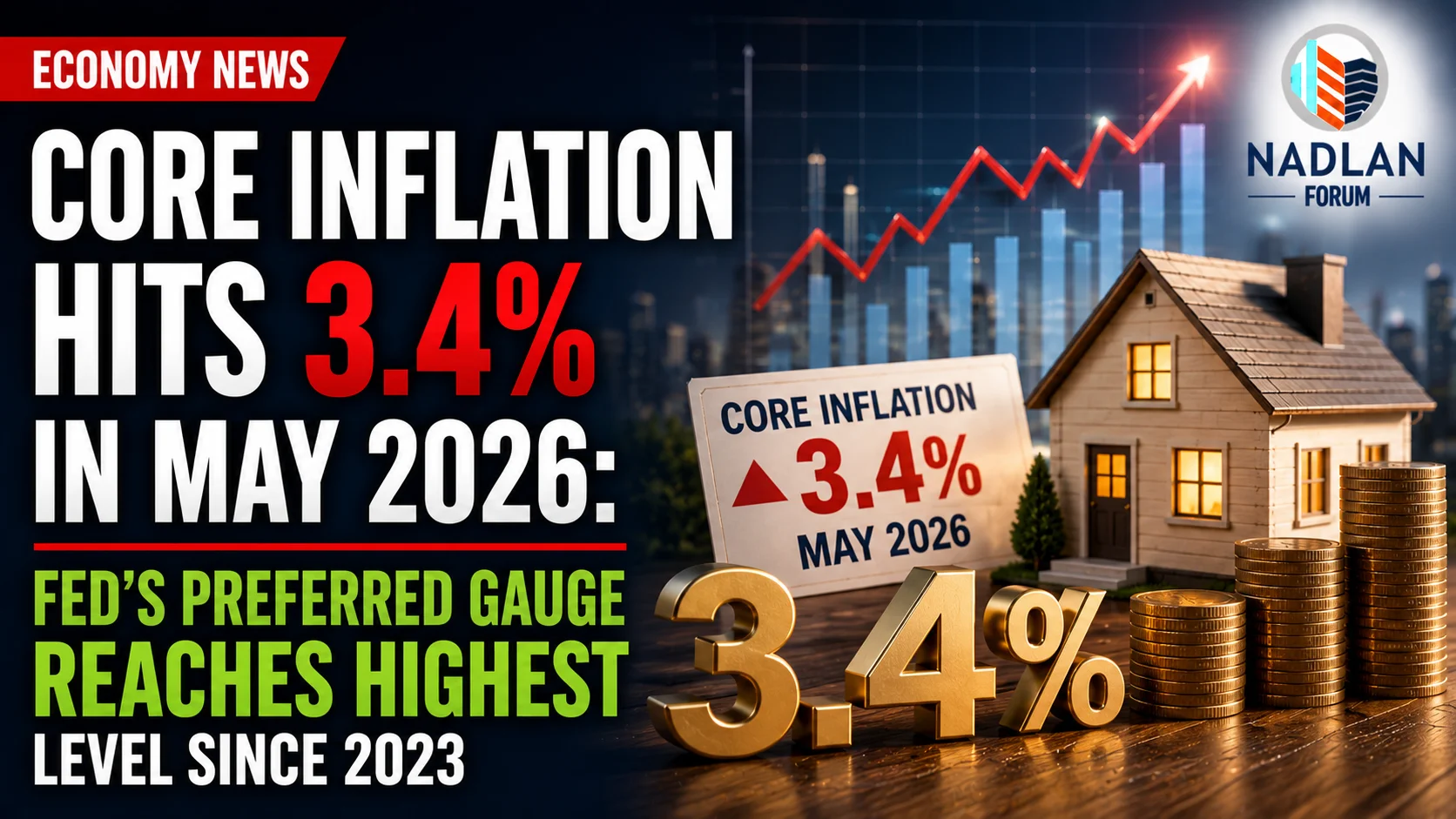
However, one detail in the GDP report really did make the bond market wince: the PCE price index was up. If you’re not familiar, the PCE (Personal Consumption Expenditures) index is a closely watched measure of inflation and a favorite of the Fed. An uptick here, even modest, can raise red flags.
🧠 What’s the Big Deal About PCE?
Because today’s GDP release includes early data for Q2, it also gives us a glimpse at June’s inflation performance. And since we know that the quarterly PCE index came in a bit hotter than expected, it suggests one of the past three months saw a spike. If it turns out to be June and we’ll find out when the full monthly report drops tomorrow it could spell trouble for rates. A strong inflation read might nudge rates higher before the week is out.
🏦 Fed Day: Big Talk, Small Impact
This afternoon brought the latest announcement from the Federal Reserve, followed by a press conference with Chair Jerome Powell. As expected, there were no surprises in terms of rate policy the Fed held steady, and Powell stuck to his usual script of “data dependence.”
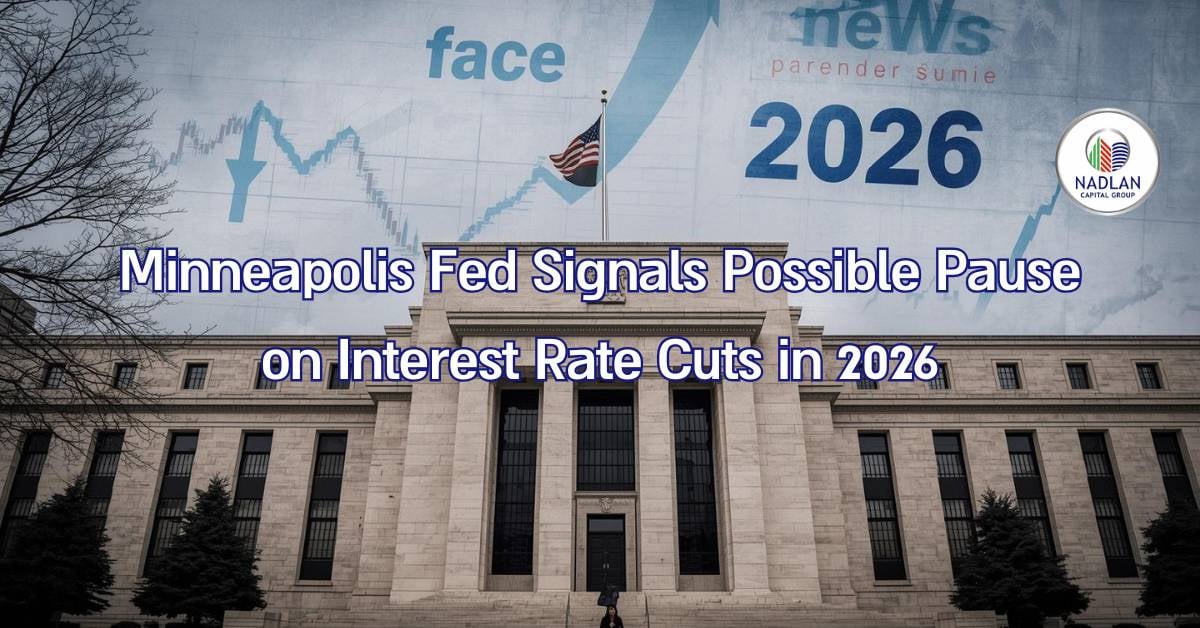
However, what did shift slightly was the market’s outlook for rate cuts later this year. Following Powell’s comments, traders began dialing back expectations that the Fed would start easing aggressively before 2026. That’s not great news for long-term mortgage rates, which tend to fall when the market sees Fed cuts on the horizon.
That said, the bond market didn’t overreact. After a brief dip during Powell’s presser, yields settled right back where they started this morning. And as a result, most mortgage lenders left their rates unchanged by the end of the day.
🔮 Looking Ahead: Two Big Days Incoming
Thursday brings the official June PCE inflation numbers likely to confirm or challenge what we saw in today’s GDP figures. And then comes Friday’s main event: the official jobs report. If the labor market comes in hotter than expected, it could put more upward pressure on mortgage rates, especially if wages or participation data show signs of strong economic momentum.
So while today didn’t deliver any big shocks, don’t mistake stability for safety. We’re at the edge of a data cliff, and what happens over the next 48 hours could set the tone for mortgage rates heading into August. For direct financing consultations or mortgage options for you visit 👉 Nadlan Capital Group.
























Responses