
Pending Home Sales March 2026: Contracts Rise Despite Higher Mortgage Rates

Pending Home Sales Show Signs of Life
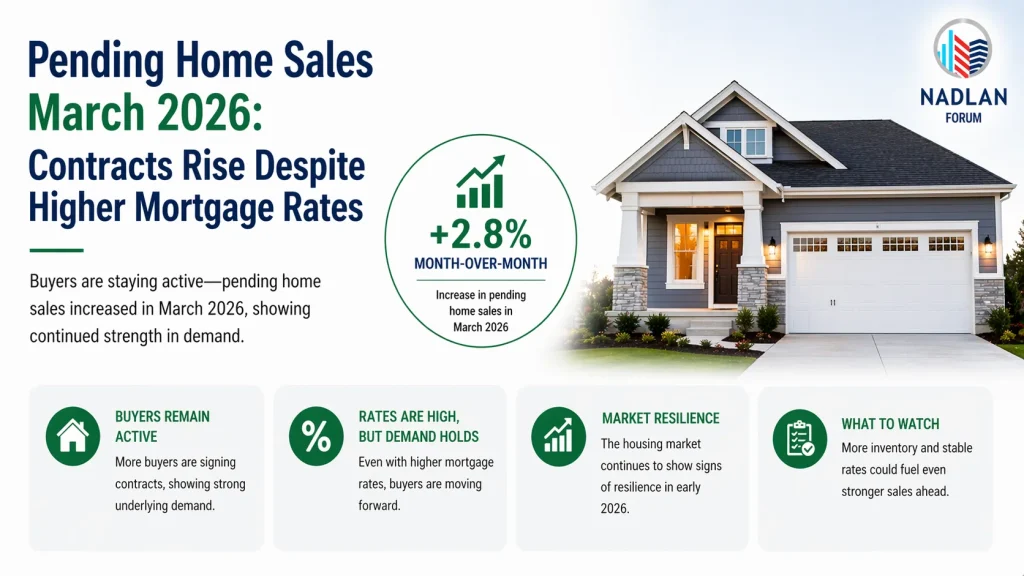
The U.S. housing market showed early signs of improvement in March, as pending home sales moved higher even in a challenging rate environment. According to the latest report from the National Association of Realtors, pending home sales increased 1.5% compared to February, though they were still 1.1% lower than a year ago.
Pending sales reflect homes that are under contract but not yet closed, making them a key indicator of future housing activity. The March increase suggests that buyers are still active, even as affordability pressures remain.
Regional Trends Show Mixed Performance
The housing market continues to vary widely by region.
Month-over-month changes:
- Northeast: Increased
- South: Increased
- Midwest: Declined
- West: Declined
Year-over-year changes:
- South: Increased
- Northeast, Midwest, West: Declined
The South remains the strongest region, supported by job growth and more flexible pricing, while other areas are still adjusting to higher borrowing costs.
Demand Remains Strong Beneath the Surface
Despite rising mortgage rates earlier in the year, buyer interest has not disappeared. Instead, it appears that pent-up demand is beginning to show, especially in markets where prices have stabilized or declined.
Economists point out that many buyers delayed purchases during periods of higher rates and uncertainty. As conditions improve even slightly these buyers are returning to the market.
However, turning that demand into completed sales will depend heavily on available inventory.
Inventory Still a Key Challenge
Housing supply continues to limit market activity.
- Around 963,000 homes are currently listed nationwide
- Inventory is only slightly higher than last year
- In some regions, supply remains far below pre-2019 levels
In parts of the Midwest and Northeast, inventory is still about 70% lower than normal levels, making it difficult for buyers to find suitable homes.
This limited supply is one reason home prices have remained relatively stable despite weaker demand.
Mortgage Rates Continue to Influence Buyers
Mortgage rates remain a major factor in the housing market.
Earlier this year:
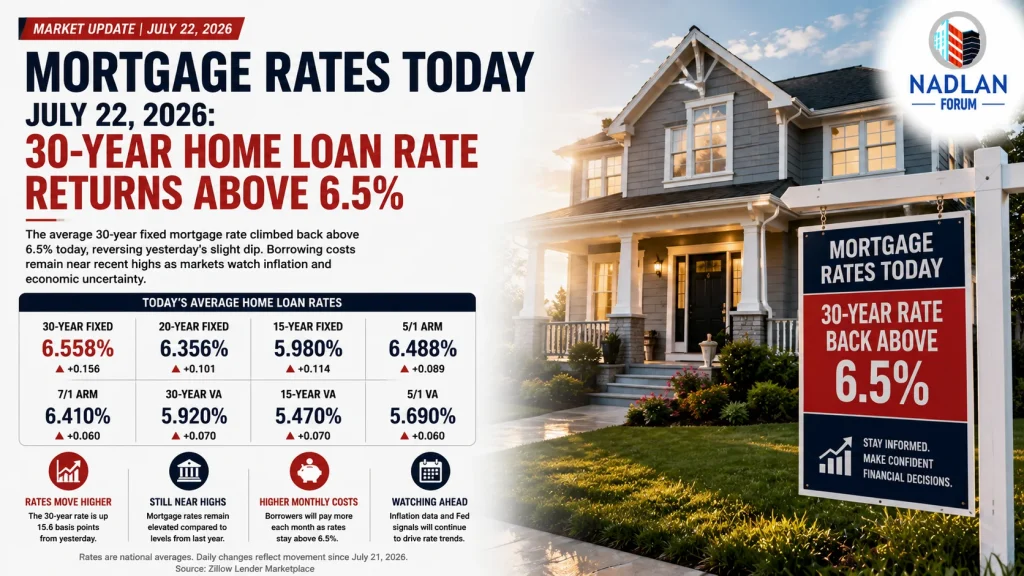
- Rates rose from about 6.09% to 6.46%
- This reduced affordability, especially for first-time buyers
Recently:
- Rates have started to decline again
- Some buyers can now secure rates in the high 5% range
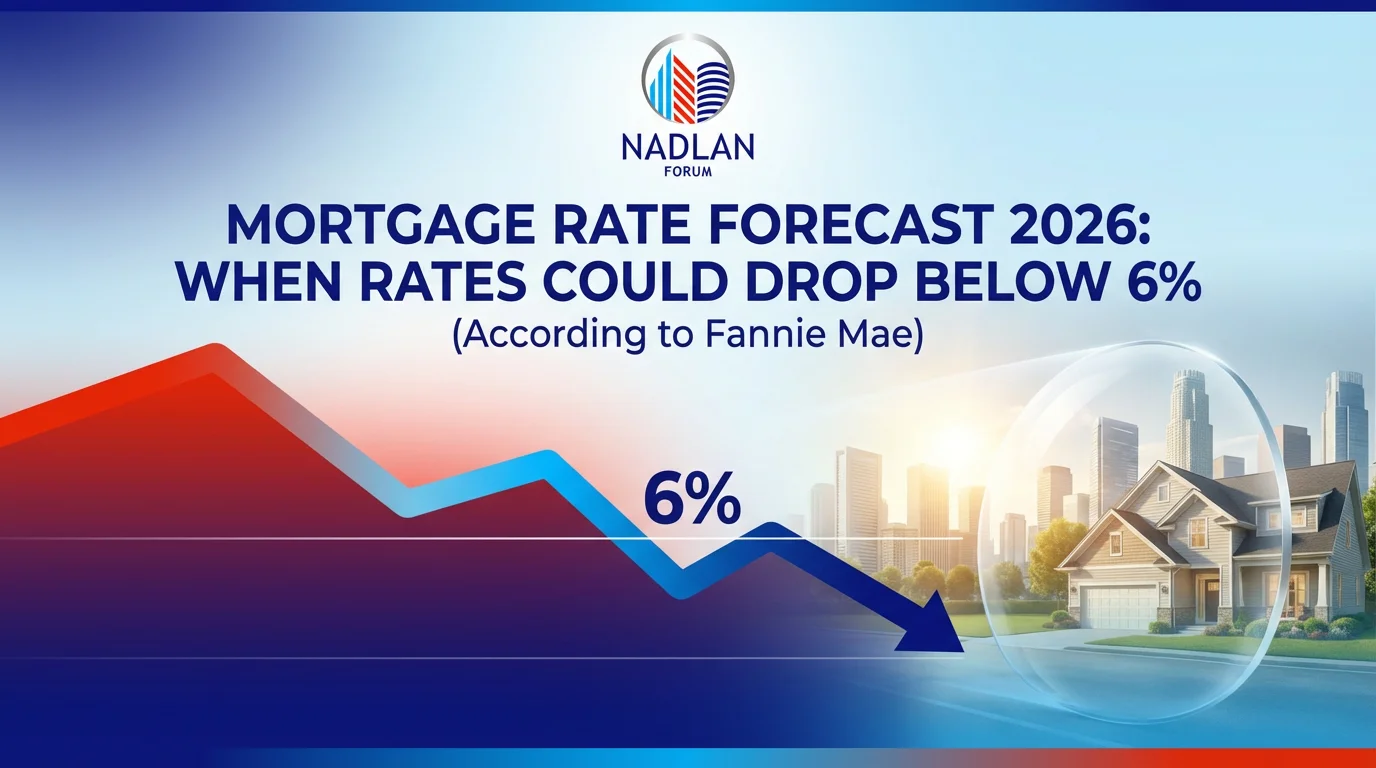
The 6% level is seen as an important threshold. If rates fall below that level and stay there, it could improve affordability and bring more buyers into the market.
Affordability and First-Time Buyers
First-time buyers remain the most sensitive to changes in mortgage rates.
Higher rates:
- Increase monthly payments
- Reduce purchasing power
- Make saving for down payments more difficult
As a result, there is growing emphasis on building smaller, more affordable homes to meet demand. Expanding this segment of the market could help bring more new buyers into homeownership.
Sun Belt Markets Show Renewed Activity
Certain markets are already seeing a rebound in activity.
Cities like Austin and Dallas have experienced price corrections after rapid growth in recent years. Lower prices, combined with strong job markets, are helping bring buyers back.
These areas also benefit from:
- More new construction
- Better inventory levels
- Competitive pricing compared to coastal cities
As a result, buyers in these markets are gaining more negotiating power.
Buyers and Sellers Are Adjusting
The current market environment is creating new dynamics:
Buyers:
- Becoming more selective
- Taking advantage of price flexibility
- Negotiating on closing costs and terms
Sellers:
- Adjusting expectations
- Offering incentives such as rate buydowns
- Working more closely with buyers
This balance is creating opportunities for prepared buyers who are ready to act when the right property appears.
What to Watch Going Forward
While the March increase is a positive sign, several factors could impact momentum:
- Inflation pressures from energy prices
- Changes in mortgage rates
- Economic uncertainty
- Seasonal demand trends
If mortgage rates rise again, it could slow activity during the busy spring season. On the other hand, stable or lower rates could support stronger sales in the coming months.
The Importance of Local Market Conditions
One key takeaway is that housing conditions vary widely by location.
For example:
- A buyer in Houston may face very different conditions than one in Boston
- Inventory, pricing, and demand can differ significantly even within the same state
National trends provide a general picture, but local insights are critical when making real estate decisions.
The Bottom Line
Pending home sales in March 2026 point to a housing market that is slowly regaining momentum. While challenges remain especially around affordability and inventory buyer demand is still present.
For buyers, this may be a window of opportunity. For sellers, flexibility and realistic pricing are becoming more important.
As the market moves through the spring season, mortgage rates and supply levels will likely determine whether this early improvement turns into sustained growth. For direct financing consultations or mortgage options for you visit 👉 Nadlan Capital Group.



















Responses