
Buyer’s Market 2026: More U.S. Cities Shift Power to Homebuyers


More Cities Are Becoming Buyer’s Markets
The U.S. housing market is shifting, and buyers are starting to gain more control. A new report from Redfin shows that buyer’s markets are now more common across major metro areas than they were a year ago.
In March 2026, 38 of the largest U.S. metro areas were classified as buyer’s markets, compared to 29 at the same time last year. Meanwhile, the number of seller’s markets dropped to just five, down from nine in 2025.
This change signals a clear shift in market balance, giving buyers more choices and stronger negotiating power.
What Defines a Buyer’s Market?
Redfin classifies markets based on the balance between supply and demand:
- Buyer’s market: More than 10% more sellers than buyers
- Seller’s market: More than 10% fewer sellers than buyers
- Balanced market: Supply and demand are within a 10% range
By this measure, today’s market is leaning heavily toward buyers in many regions.
Supply Is Outpacing Demand
One of the biggest reasons for this shift is the growing gap between sellers and buyers.
- About 600,000 more sellers than buyers were active in March
- This represents a 43.1% gap, close to record levels
- A year ago, the gap was significantly smaller at 28%
Although inventory is not at historic highs, demand has slowed even more, creating an imbalance that favors buyers.
Why Buyers Have More Power Now
When there are more homes available than buyers, shoppers gain flexibility. They can:
- Compare more options
- Take time before making decisions
- Negotiate on price and terms
In today’s market, many buyers are also more cautious. Rising costs such as property taxes, insurance, and general living expenses are making people more selective.
As a result, buyers are focusing on homes that are move-in ready and priced correctly, while ignoring listings that require extra work or feel overpriced.
Where Buyer’s Markets Are Strongest
Some cities are seeing a much larger imbalance between supply and demand.
Top buyer’s markets include:
- Miami – 148% more sellers than buyers
- Nashville – 119% more sellers
- Austin – 112% more sellers
- San Antonio – 109% more sellers
- Las Vegas – 101% more sellers
Many of these areas experienced strong demand during the pandemic. Builders increased supply to meet that demand, and now the market is adjusting.
What Caused the Shift in These Markets
The Sun Belt, in particular, saw a surge in popularity during the pandemic. As people moved from higher-cost regions, construction increased to keep up.
Now, several factors are reversing that trend:
- Higher mortgage rates
- Rising home prices over recent years
- Increased cost of ownership
- Slower population inflows
With fewer buyers entering the market, the increased supply is giving buyers more control.
Buyer Demand Has Slowed
Another major factor is declining buyer activity.
- Around 1.39 million buyers were active in March
- This is near historic lows
- Buyer demand is down about 10% compared to last year
At the same time, the number of sellers remains relatively high. This imbalance continues to push the market toward buyers.
Seller Behavior Is Changing
Sellers are adjusting to the new environment in different ways:
- Some are delaying listing their homes
- Others are removing listings after limited interest
- Many are lowering expectations on pricing
In some cases, homes are staying on the market longer, which was less common in previous years when demand was stronger.
However, some sellers are still optimistic about seasonal demand and are relisting properties in hopes of attracting buyers during the spring.
Where Seller’s Markets Still Exist
Despite the overall shift, a few areas remain favorable for sellers.
Top seller’s markets include:
- Newark
- Nassau County
- Montgomery County
- Milwaukee
- New Brunswick
These areas tend to have limited housing supply and slower construction activity, which keeps demand stronger relative to inventory.
Home Prices Reflect the Shift
The difference between buyer’s and seller’s markets is also visible in price trends:
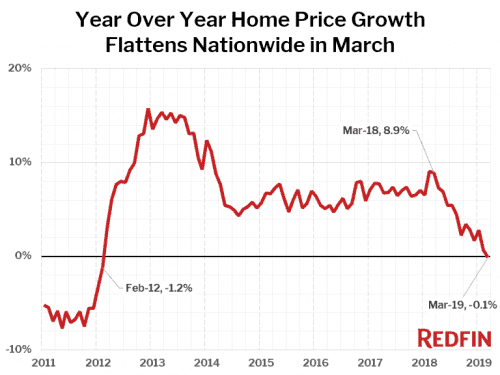
- Prices rose about 4.8% in seller’s markets
- Prices increased only 1.6% in buyer’s markets
This shows that where buyers have more options, price growth slows, giving them more room to negotiate
What This Means for Buyers and Sellers
For Buyers:
- More choices in many cities
- Better chances to negotiate price or terms
- Less pressure to act quickly
For Sellers:
- Pricing strategy is more important than ever
- Homes may take longer to sell
- Upgrades and presentation matter more
The Bottom Line
The housing market in 2026 is moving toward buyers in many major metros. With more homes available and fewer buyers competing, the balance of power is shifting.
For buyers, this creates opportunity. For sellers, it means adapting to a more competitive environment.
As inventory and demand continue to evolve, the market is likely to remain more balanced than in previous years but for now, buyers clearly have the edge in many parts of the country. For direct financing consultations or mortgage options for you visit 👉 Nadlan Capital Group.





























Responses