
Existing-Home Sales Rise: Buyers Return to the Housing Market


The U.S. housing market gained momentum in May as existing-home sales climbed to their highest level since December. The latest data suggests that buyers are gradually returning despite elevated mortgage rates and ongoing affordability challenges.
A combination of slightly lower borrowing costs compared with last year, improving household incomes, and a steady increase in available homes for sale helped support market activity. While affordability remains a concern for many Americans, the housing market continues to show signs of stability rather than a sharp slowdown.
Existing-Home Sales Move Higher
According to the latest housing data, existing-home sales increased by 3.2% from April and were also 3.2% higher than one year earlier.
Sales reached a seasonally adjusted annual pace of 4.17 million homes, marking the strongest monthly performance since December.
The regional picture was mixed:
- Sales increased from the previous month in the Northeast, Midwest, and South.
- Activity remained steady in the West.
- Compared with last year, sales improved in the Midwest, South, and West but slipped slightly in the Northeast.
The improvement suggests that buyers are adjusting to today’s mortgage rate environment instead of waiting for significantly lower borrowing costs.
Mortgage Rates Continue to Influence Demand
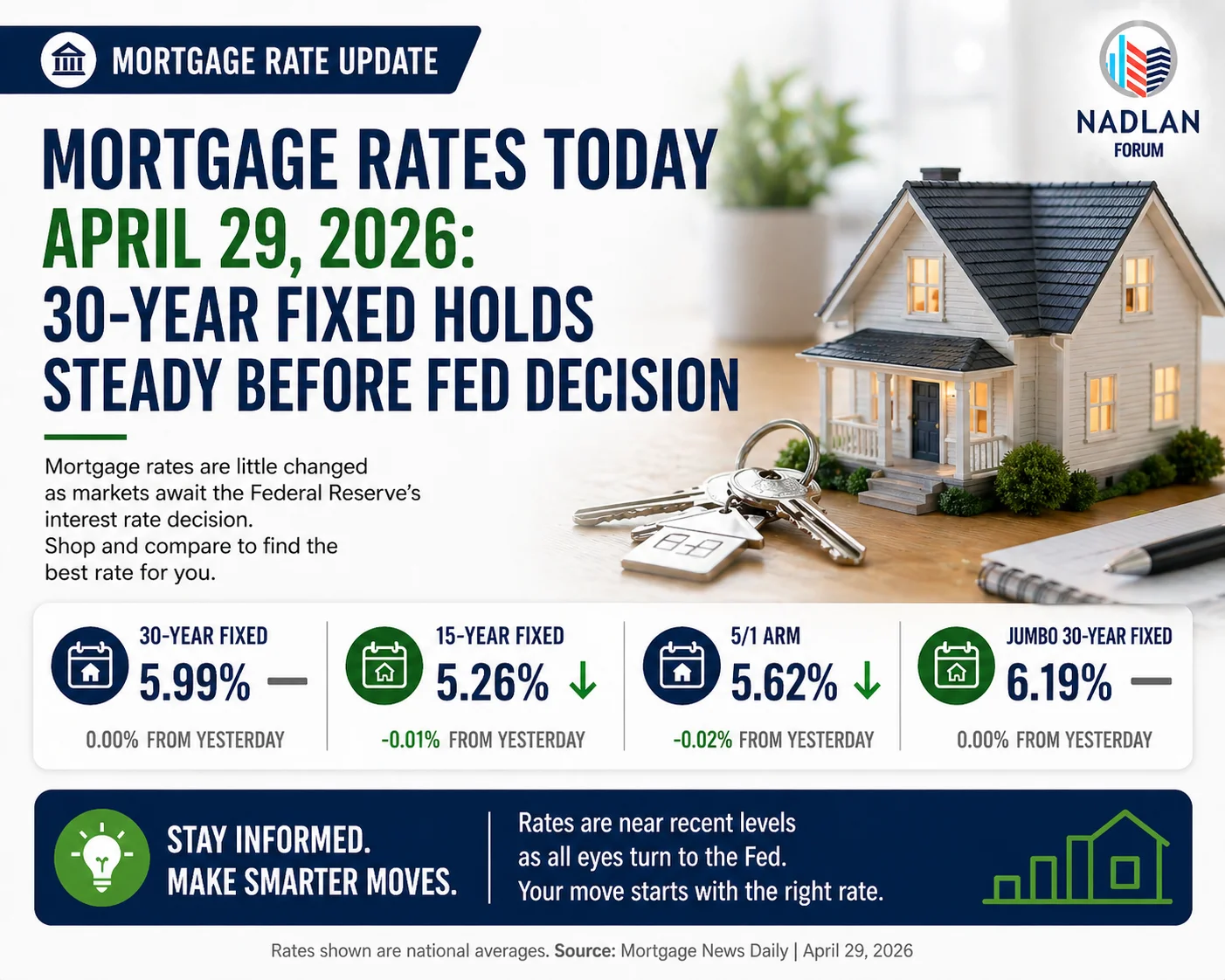
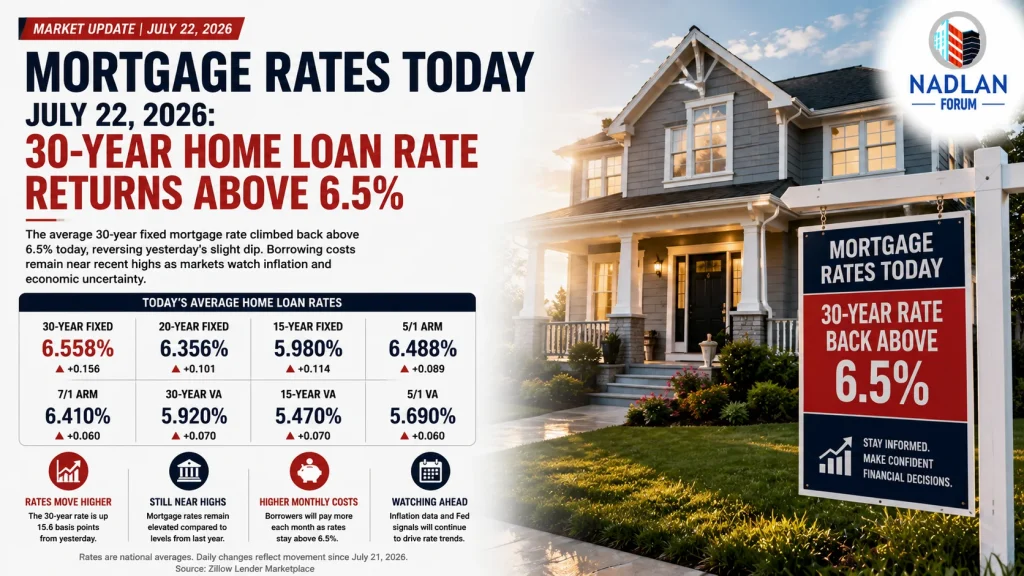
Mortgage rates remain one of the biggest factors affecting housing activity.
Although rates have moved higher at times during 2026, they remain below the levels seen a year ago. This has provided some relief for buyers who delayed purchases during periods of higher borrowing costs.
Even relatively small changes in mortgage rates can have a meaningful impact on affordability.
For example, a borrower financing a $400,000 home loan at today’s rates could save around $100 per month compared with last year’s average borrowing costs. Compared with the peak mortgage rates seen in late 2023, the monthly savings can be even larger.
Lower financing costs help offset rising home prices and encourage more buyers to enter the market.
Home Prices Continue to Set Records
Despite improved inventory and higher sales activity, home prices continue to rise.
The national median existing-home price reached:
$429,300
This represents a 1.3% increase compared with one year ago and marks the 35th consecutive month of annual price growth.
Several factors continue supporting home values:
- Limited housing supply.
- Strong homeowner equity.
- Healthy labor market conditions.
- Relatively low foreclosure activity.
Unlike previous housing downturns, today’s market is not experiencing widespread distressed sales.
Only a small percentage of transactions involve foreclosures or homeowners selling for less than their mortgage balance.
Housing Inventory Improves Slowly
Inventory levels continued to rise during May, giving buyers more choices.
Key inventory figures include:
- Total homes for sale: 1.55 million.
- Up 3.3% from April.
- Up 0.6% from one year ago.
- 4.5 months of housing supply.
A balanced housing market is generally considered to have five to six months of available inventory.
Current levels suggest that the market remains relatively tight, though conditions have improved compared with recent years.
More inventory helps reduce bidding wars and gives buyers additional negotiating power.
First-Time Buyers Are Becoming More Active
One of the more encouraging developments is the increase in first-time homebuyer activity.
The share of first-time buyers reached its highest level since the middle of 2020.
Several factors are contributing to this trend:
More Stable Home Prices
Price growth has slowed significantly compared with the rapid increases seen during the pandemic housing boom.
Slightly Lower Mortgage Rates
Even modest improvements in financing costs can help younger buyers qualify for loans.
Growing Inventory
An increase in available homes provides more opportunities for entry-level buyers.
Many first-time buyers are taking advantage of these conditions before rates or prices potentially move higher.
Regional Housing Trends
Housing conditions continue to vary across the country.
Northeast
Sales declined compared with last year, but home prices posted some of the strongest gains due to limited inventory.
Midwest
Sales and inventory both improved, supported by relatively affordable housing markets.
South
Sales increased, though many areas continue adjusting to higher inventory levels after rapid growth during the pandemic.
West
Sales remained stable month over month while improving from last year as buyers slowly returned to the market.
Local economic conditions, employment growth, and housing supply continue to create significant differences between regional markets.
Housing Market Supports the Broader Economy
A stronger housing market benefits more than just buyers and sellers.
Every home transaction creates additional economic activity across multiple industries.
Higher home sales often lead to increased demand for:
- Mortgage lending.
- Moving companies.
- Furniture and appliance purchases.
- Home improvement projects.
- Landscaping services.
- Insurance products.
- Legal and financial services.
Housing remains one of the largest contributors to overall economic activity in the United States.
Why Homeowners Are Holding Their Value
One reason home prices remain resilient is the strong financial position of most homeowners.
Many owners purchased or refinanced their homes during periods of historically low mortgage rates and have built substantial equity over the past several years.
Unlike previous housing cycles, today’s market has relatively few distressed properties.
Low foreclosure rates and healthy household balance sheets reduce the likelihood of forced selling that could pressure home prices downward.
What Buyers Should Consider
While market conditions have improved, buyers should remain cautious and financially prepared.
Before purchasing a home, buyers should:
Compare Mortgage Offers
Obtaining quotes from multiple lenders can reduce borrowing costs.
Review Monthly Budgets
Homeownership includes taxes, insurance, maintenance, and unexpected repairs.
Understand Local Markets
National trends may not reflect conditions in a specific city or neighborhood.
Focus on Long-Term Goals
Trying to perfectly time mortgage rates or home prices can be difficult.
Purchasing when finances are stable and the right property becomes available is often the better approach.
What Could Affect the Market Going Forward
Several factors will shape housing activity during the remainder of 2026.
Key issues to watch include:
- Mortgage rate movements.
- Inflation trends.
- Federal Reserve policy decisions.
- Employment growth.
- Housing inventory levels.
- Consumer confidence.
If mortgage rates remain relatively stable and inventory continues improving, housing activity could maintain its current pace.
Bottom Line
Existing-home sales gained momentum in May, reaching their highest level since December as buyers returned to the market. Sales increased both month over month and year over year, while inventory improved and first-time buyers became more active.
Although affordability challenges remain, lower mortgage rates compared with last year, steady income growth, and healthier inventory levels are helping support housing demand. At the same time, home prices continue to rise, reflecting limited supply and strong homeowner finances. For buyers and sellers alike, the market appears to be moving toward a more balanced and stable environment as 2026 progresses. For direct financing consultations or mortgage options for you visit 👉 Nadlan Capital Group.

























Responses