
Sellers Struggle with Losses as Homebuyers Find Bargains


The U.S. housing market is experiencing a shift that’s seeing many sellers facing potential losses, while buyers find themselves in a more favorable position than in recent years. According to a Redfin study, nearly 6% of home sellers across the U.S. are at risk of selling for less than their original purchase price. This represents an increase from 4.4% last year, though it remains far below the levels seen during the housing crisis.
Regional Variations in Home Seller Losses
Not all areas are affected equally. For instance, in Providence, Rhode Island, very few sellers face the possibility of selling at a loss, whereas in San Francisco, over 20% of sellers are at risk. These disparities largely depend on local market dynamics, including price fluctuations and demand. In addition, different types of properties are more likely to be affected than others. Condominiums, for example, are at a significantly higher risk of loss compared to single-family homes or townhouses.
Analyzing Home Sale to List Price Ratios
Redfin’s analysis of sale-to-list price ratios across U.S. metro areas offers a clearer picture of potential losses. In cities where homes tend to sell for a percentage below the list price, the risk of selling at a loss increases. For example, in a metro area with a 95% sale-to-list price ratio, a $500,000 home is expected to sell for $475,000, potentially resulting in a loss for sellers who purchased their homes at higher prices.
The Risk for Sellers Who Purchased Post-Pandemic
The risk of selling at a loss is notably higher for sellers who purchased homes after the pandemic began. Almost one in six of today’s sellers who bought their property after 2022 could end up selling at a loss, as they paid peak prices during the pandemic’s housing frenzy. In contrast, sellers who bought homes prior to the pandemic are far less likely to experience a loss, with only 1.8% of these sellers at risk.
Buyers Have More Leverage in the Current Market
While the potential for sellers to incur losses represents a challenging situation, it presents a silver lining for buyers, especially first-time homebuyers. As the market adjusts, buyers are increasingly able to negotiate prices lower than the asking price, creating more opportunities for those looking to enter the housing market.
Asad Khan, Senior Economist at Redfin, explained, “We are seeing more opportunities for buyers to pay a little less than they would have just a year or two ago. Sellers who have significant equity in their homes are more willing to be flexible on price, which is a meaningful shift for anyone who’s been waiting for prices to come down.”
The Role of Property Type in Seller Losses
Different property types are also seeing varying levels of risk. Condominiums have experienced the most significant drop in value, with over 28% of condos bought after the pandemic potentially selling at a loss. This has made condo sellers particularly vulnerable, especially in cities where the condo market has slowed significantly. In contrast, single-family homes are faring better, with a lower percentage of properties at risk of selling at a loss.
Regional Hotspots for Sellers at Risk
Several U.S. cities are seeing a higher proportion of sellers at risk of loss. In Austin, Texas, nearly half of the homes purchased after 2022 are at risk, followed by Tampa and Orlando in Florida. These markets were among the hottest during the pandemic, with prices soaring due to demand from remote workers. However, as mortgage rates rose and demand cooled, many of these homes now face potential losses.
On the other hand, cities like Providence, Rhode Island, and New Brunswick, New Jersey, have experienced better price stability, with very few sellers facing a loss. This highlights how local market conditions play a critical role in determining whether a seller is likely to lose money on their home.
The Outlook for Home Prices in 2025
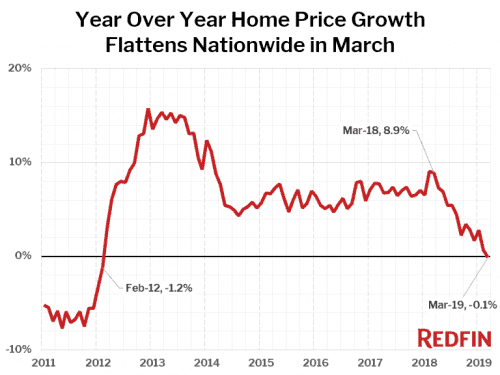
Looking ahead, Redfin predicts that home prices in the U.S. will decline by about 1% annually by the end of 2025, which could push more sellers into a situation where they face selling at a loss. If prices drop by 3%, an additional 8.1% of homes could be at risk, and if prices fall by 5%, that figure could rise to 10.1%.
In markets like San Francisco, where property values were inflated during the pandemic, up to 20% of homes sold could end up fetching less than their purchase price. However, in other regions such as Providence and New Brunswick, price stability has helped keep more sellers in the black.
Advice for Sellers in a Shifting Market
Sellers who are looking to avoid losses in this challenging market are being advised to price their homes realistically, particularly if they bought in the past two years. Flexibility is key—those who are not under pressure to sell may be better off waiting until market conditions improve, rather than accepting a loss. Sellers in certain areas are already choosing to de-list their properties and try again next year, while others are accepting offers quickly to avoid prolonged uncertainty.
Conclusion: A Market in Flux
The housing market continues to shift, with rising mortgage rates and cooling demand putting more pressure on sellers who paid top dollar during the pandemic. However, this dynamic is providing an opportunity for buyers, particularly first-time homebuyers, to negotiate lower prices and find deals that weren’t possible a year or two ago.
As the market continues to adjust, it will be important for sellers to carefully consider their options and for buyers to take advantage of the more flexible pricing conditions that are beginning to emerge. For direct financing consultations or mortgage options for you visit 👉 Nadlan Capital Group.























Responses