
Mortgage Rates Drop Below 6.5%: Iran Peace Deal Influences Market June 18, 2026

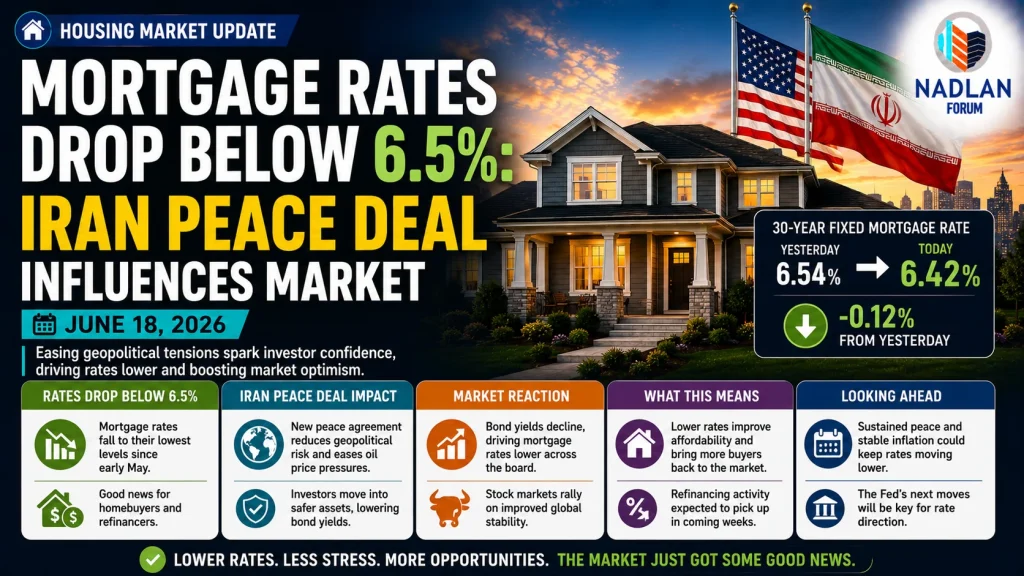
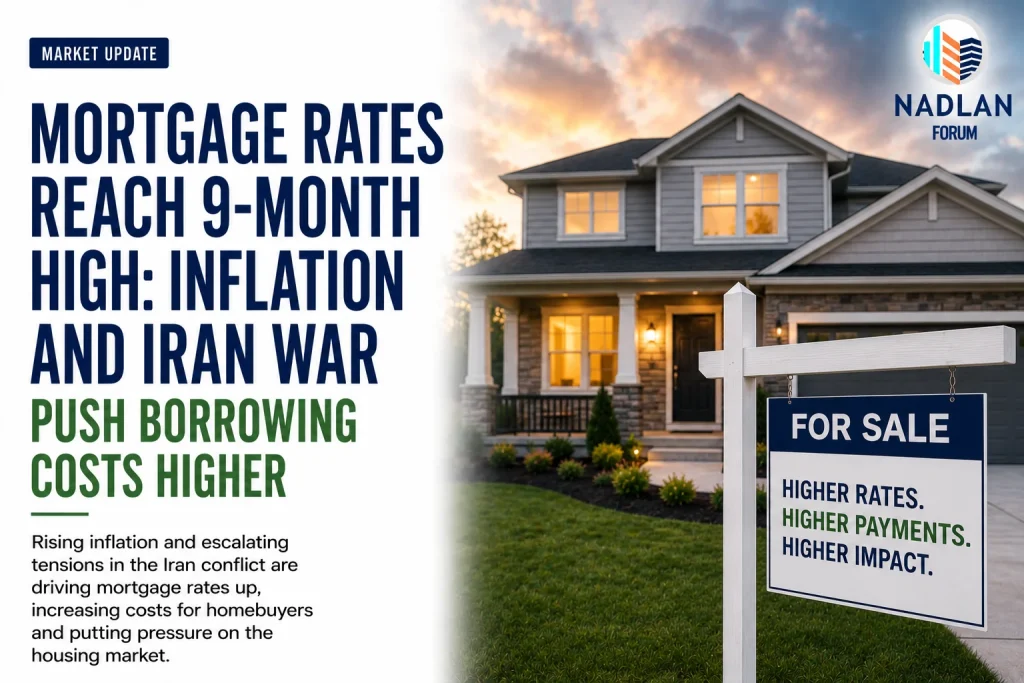
Mortgage rates in the U.S. declined this week as the United States and Iran moved closer to a deal to end their conflict, improving investor sentiment and influencing borrowing costs. According to Freddie Mac, the average 30-year fixed-rate mortgage fell to 6.47% through Wednesday, down from 6.52% a week earlier.
The decline in mortgage rates tracks closely with the 10-year Treasury yield, which moved lower as markets responded to the preliminary U.S.-Iran agreement and the reopening of the Strait of Hormuz. On Wednesday, President Trump signed the initial deal, initiating 60 days of negotiations for a final settlement.
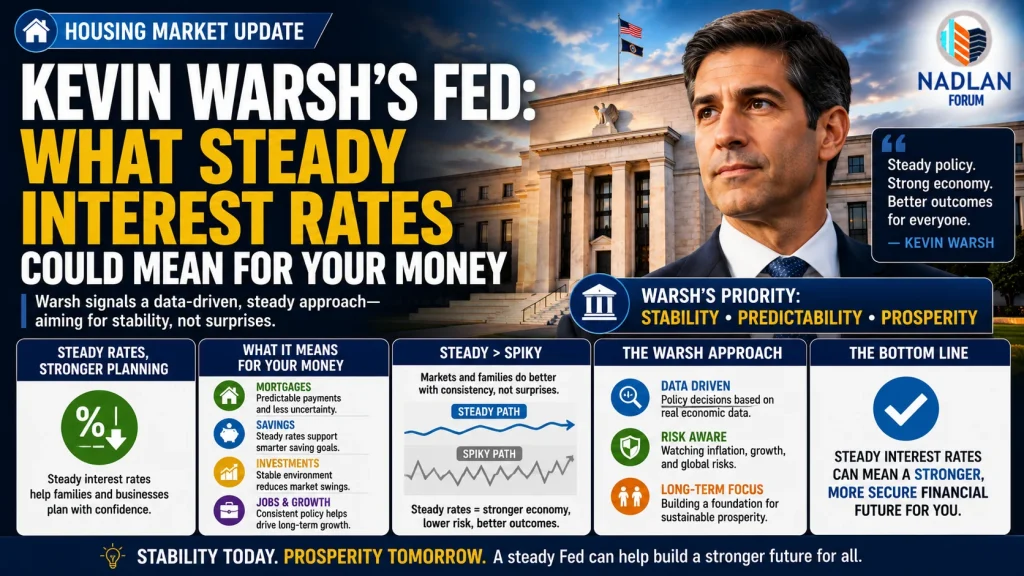
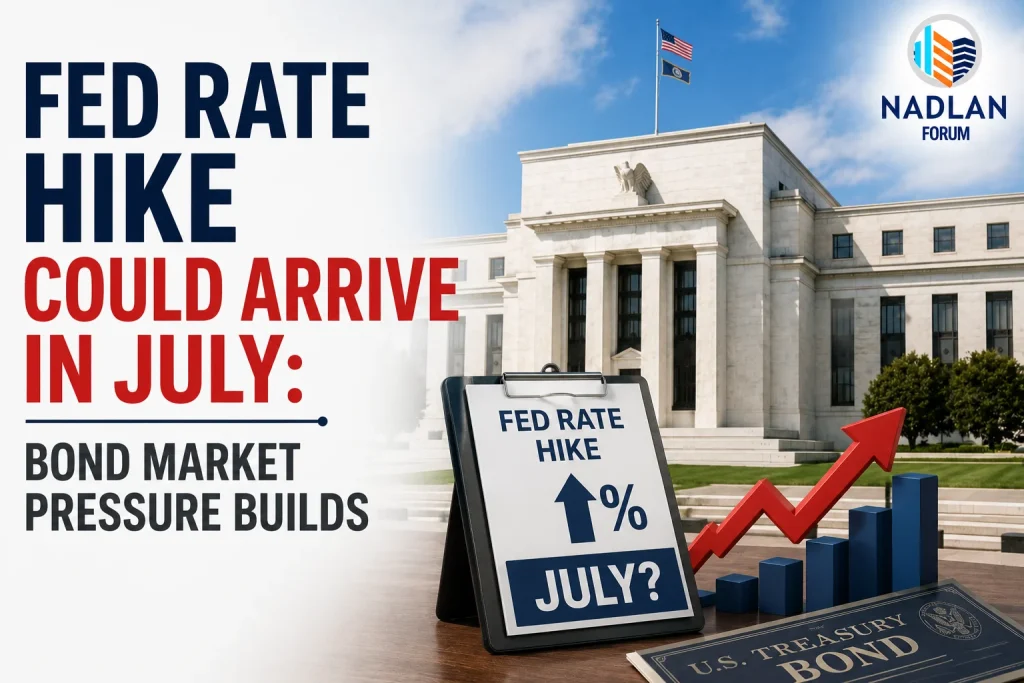
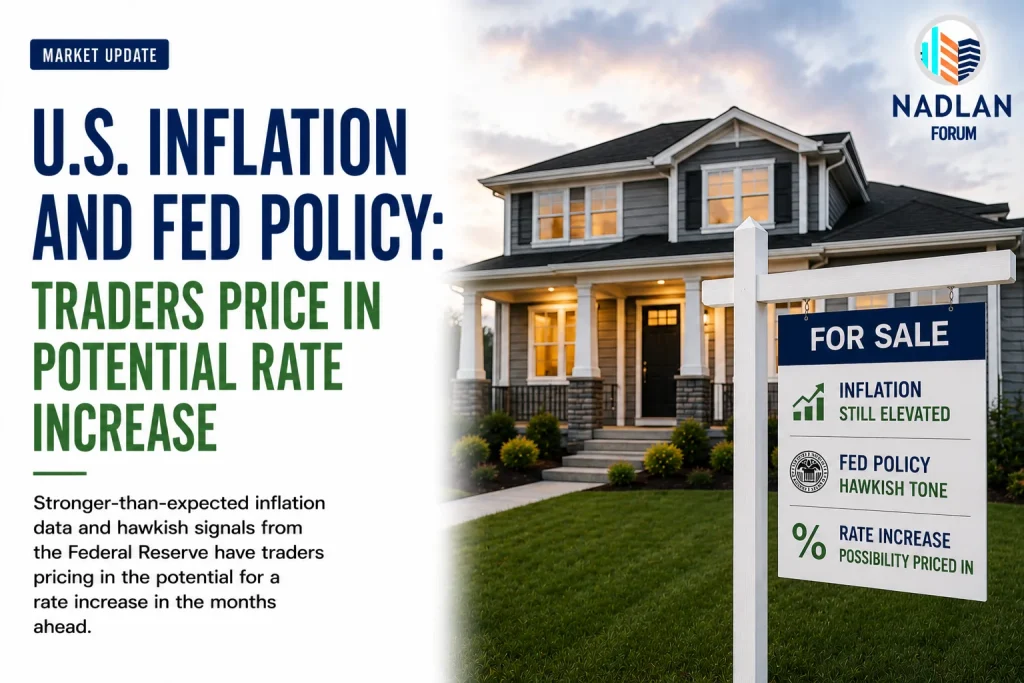
The news has raised expectations that inflation pressures caused by elevated oil prices and supply disruptions may begin to ease. However, Federal Reserve Chair Kevin Warsh signaled that the central bank may need to keep benchmark rates higher to maintain price stability, indicating that long-term mortgage rates could remain elevated.
Today’s Mortgage Rates (Purchase Loans)
National averages for June 18, 2026:
| Loan Type | Rate |
|---|---|
| 30-year fixed | 6.24% |
| 20-year fixed | 6.01% |
| 15-year fixed | 5.72% |
| 5/1 ARM | 6.31% |
| 7/1 ARM | 6.03% |
| 30-year VA | 5.74% |
| 15-year VA | 5.28% |
| 5/1 VA | 5.50% |
These rates are national averages rounded to the nearest hundredth; individual rates may vary by lender and borrower qualifications.
Today’s Mortgage Refinance Rates
Refinancing rates showed a similar decline:
| Loan Type | Rate |
| 30-year fixed refinance | 6.29% |
| 20-year fixed refinance | 6.23% |
| 15-year fixed refinance | 5.75% |
| 5/1 ARM refinance | 6.25% |
| 7/1 ARM refinance | 6.25% |
| 30-year VA refinance | 5.74% |
| 15-year VA refinance | 5.37% |
| 5/1 VA refinance | 5.65% |
Refinance rates are often slightly higher than purchase rates, depending on market conditions and borrower qualifications.
How Mortgage Rates Work
Mortgage rates represent the interest charged on borrowed funds. They are influenced by:
- Borrower-controlled factors: credit score, debt-to-income ratio, down payment size
- Economic factors: Treasury yields, inflation, labor market strength, geopolitical events
Rates typically rise when the economy is strong and fall during economic slowdowns.
Fixed vs Adjustable-Rate Mortgages
- Fixed-rate mortgages lock in the interest rate for the loan’s term, providing predictable monthly payments.
- Adjustable-rate mortgages (ARMs) start with a lower introductory rate for a set period (e.g., 5/1 ARM for five years) and then adjust annually based on market conditions.
ARMs can offer lower initial payments, but long-term costs are uncertain if rates rise.
30-Year vs 15-Year Mortgages
- 30-year fixed: lower monthly payments, higher total interest over the life of the loan.
- 15-year fixed: higher monthly payments, lower total interest, faster equity building.
Borrowers must weigh affordability against long-term interest savings when choosing a term length.
Monthly Payment Example
For a $425,000 home with $85,000 down and a 20-year loan:
- 30-year fixed at 6.355%: $2,621/month total
- Principal & interest: $2,117
- Property tax: $354
- Homeowners insurance: $150
This demonstrates the importance of factoring in taxes, insurance, and other fees when evaluating affordability.
Market Outlook
Mortgage rates have dropped modestly in response to geopolitical developments and declining Treasury yields. While a preliminary Iran peace deal offers optimism, the Fed’s commitment to managing inflation may keep rates relatively elevated in the near term.
Homebuyers and refinancers should monitor daily rate changes, evaluate lender offers, and consider financial preparedness, including credit score optimization and debt reduction, to secure the best possible rate.
Conclusion
As of June 18, 2026, mortgage rates have eased slightly, reflecting the tentative resolution of geopolitical tensions. Fixed-rate mortgages fell below 6.5%, offering minor relief for buyers and refinancers, but ongoing Fed policy considerations, inflation, and economic conditions mean rates could fluctuate in the coming weeks. Borrowers should continue to compare lenders, plan for affordability, and consider both fixed and adjustable-rate options to make the most informed decision. For direct financing consultations or mortgage options for you visit 👉 Nadlan Capital Group.
















Responses