
Mortgage Rates Rise Again: 30-Year Fixed Climbs to 6.38% on June 6, 2026


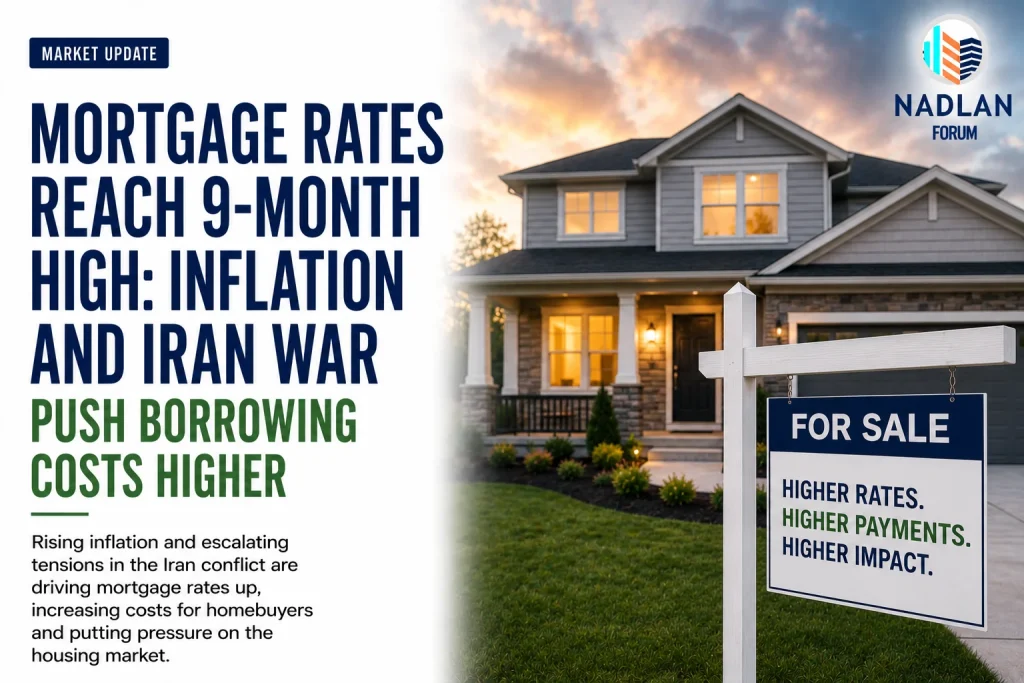
Mortgage rates moved higher to end the first week of June, reminding homebuyers and homeowners that borrowing costs remain volatile despite signs of improvement in the housing market.
The average 30-year fixed mortgage climbed to 6.38% on June 6, while 15-year and 20-year fixed loans also increased. Although rates remain below some of the highs seen earlier this year, recent movements suggest the mortgage market continues to react to inflation concerns, Federal Reserve expectations, and global economic developments.
Current Mortgage Rates
Average national mortgage rates currently stand at:
- 30-year fixed: 6.38%
- 20-year fixed: 6.39%
- 15-year fixed: 5.74%
- 5/1 ARM: 6.32%
- 7/1 ARM: 6.25%
- 30-year VA: 5.81%
- 15-year VA: 5.38%
While the increases were relatively modest, they continue a pattern of daily fluctuations that borrowers have experienced throughout 2026.
Refinance Rates Remain Competitive
Homeowners considering refinancing continue to see competitive opportunities.
Current refinance averages include:
- 30-year fixed: 6.30%
- 20-year fixed: 6.22%
- 15-year fixed: 5.81%
- 5/1 ARM: 6.38%
- 7/1 ARM: 6.30%
- 30-year VA: 5.78%
- 15-year VA: 5.37%
For many homeowners who secured mortgages during the rate spikes of 2023 and 2024, refinancing may still offer savings depending on their existing loan terms and long-term financial goals.
Why Mortgage Rates Are Moving
Several factors continue influencing mortgage rates:
Inflation
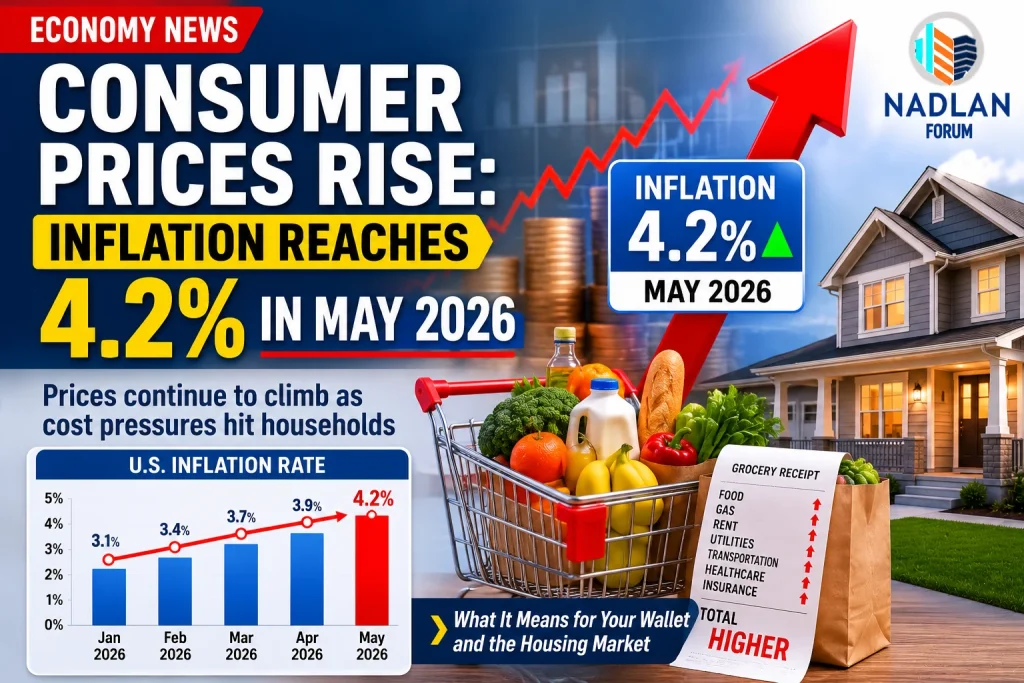
Recent inflation data remains above the Federal Reserve’s long-term target, keeping financial markets cautious.
Treasury Yields
Mortgage rates closely follow movements in the 10-year Treasury yield. Rising bond yields generally push mortgage rates higher.
Federal Reserve Policy
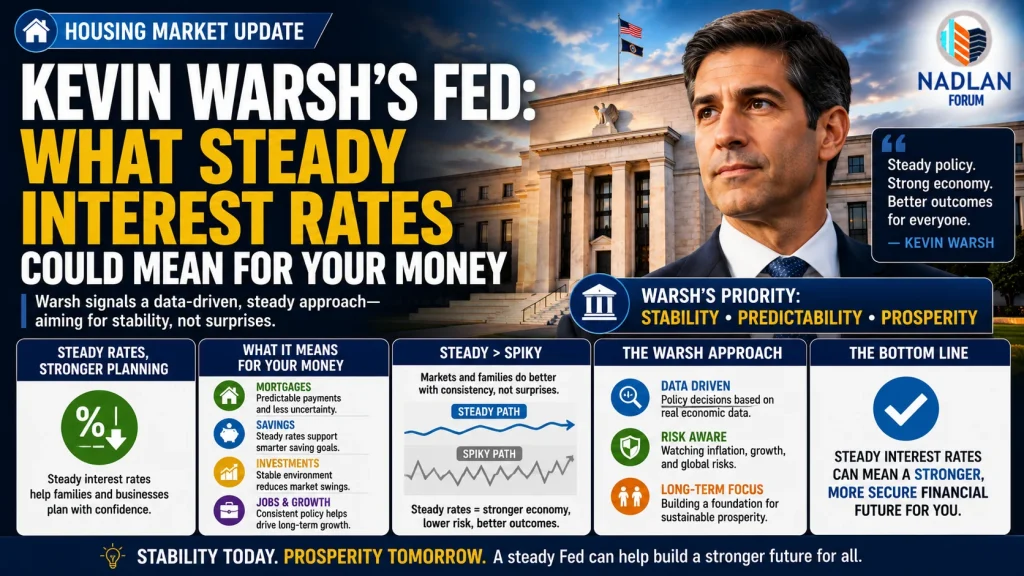
While the Fed does not directly set mortgage rates, expectations about future interest rate decisions heavily influence lending markets.
Global Events
Geopolitical uncertainty and energy market volatility continue affecting inflation expectations and bond markets, creating additional rate fluctuations.
Is It Still a Good Time to Buy?
Despite higher borrowing costs, many housing indicators remain encouraging for buyers.
Several positive trends include:
- Home prices stabilizing in many markets.
- Inventory levels improving.
- Sellers becoming more realistic with pricing.
- More opportunities for negotiation than during the pandemic housing boom.
While mortgage rates are higher than historic lows, homebuyers generally face less competition and have more choices than they did just a few years ago.
For many families, waiting for significantly lower rates may not provide a substantial advantage if home prices begin rising again.
Fixed Rate vs Adjustable Rate Mortgages
Many borrowers are comparing fixed-rate loans with adjustable-rate mortgages.
Fixed Rate Advantages
- Predictable monthly payments.
- Protection against future rate increases.
- Easier long-term budgeting.
Adjustable Rate Advantages
- Lower initial rates in some cases.
- Potential savings for buyers planning shorter ownership periods.
However, current ARM rates are not dramatically lower than fixed rates, reducing one of their traditional advantages.
Borrowers should carefully evaluate their expected time in the home before selecting an adjustable product.
15-Year vs 30-Year Loans
Choosing the right loan term remains an important financial decision.
30-Year Mortgage
Advantages:
- Lower monthly payments.
- Greater financial flexibility.
- Easier qualification for many buyers.
Disadvantages:
- Higher total interest costs.
- Longer repayment period.
15-Year Mortgage
Advantages:
- Lower interest rates.
- Faster equity accumulation.
- Significant long-term interest savings.
Disadvantages:
- Higher monthly payments.
- Less monthly cash flow flexibility.
The right option depends on individual financial goals and budget considerations.
Refinancing May Still Make Sense
Even with rates above 6%, refinancing can benefit certain homeowners.
Potential candidates include:
- Borrowers with rates above current market averages.
- Homeowners looking to shorten their loan term.
- Those wanting to convert adjustable loans into fixed rates.
- Borrowers seeking to consolidate debt through home equity.
Refinancing decisions should account for closing costs and the expected time remaining in the home.
Shopping Around Matters
One of the most effective ways to reduce borrowing costs is comparing multiple lenders.
Mortgage rates can vary significantly between institutions based on:
- Credit score.
- Down payment.
- Loan amount.
- Property type.
- Geographic location.
Obtaining several quotes can potentially save thousands of dollars over the life of a mortgage.
Mortgage Rate Outlook
Current forecasts suggest mortgage rates may remain relatively stable for the remainder of 2026.
Many industry economists expect average 30-year fixed rates to fluctuate between approximately 6.3% and 6.5%, though inflation data and economic developments could cause short-term volatility.
Rather than attempting to perfectly time the market, many financial professionals recommend focusing on personal readiness, including:
- Maintaining strong credit.
- Saving for a larger down payment.
- Reducing debt.
- Comparing lenders carefully.
Bottom Line
Mortgage rates moved modestly higher on June 6, with the average 30-year fixed loan reaching 6.38%. While borrowing costs remain elevated compared with pandemic-era lows, today’s housing market offers buyers more inventory, improved negotiating power, and a more balanced environment than in recent years.
For both buyers and homeowners considering refinancing, careful planning and shopping among multiple lenders remain the best strategies for managing financing costs in today’s evolving market. For direct financing consultations or mortgage options for you visit 👉 Nadlan Capital Group.























Responses