
NYC Rental Delinquencies Rise: What’s Driving the Growing Housing Payment Problem

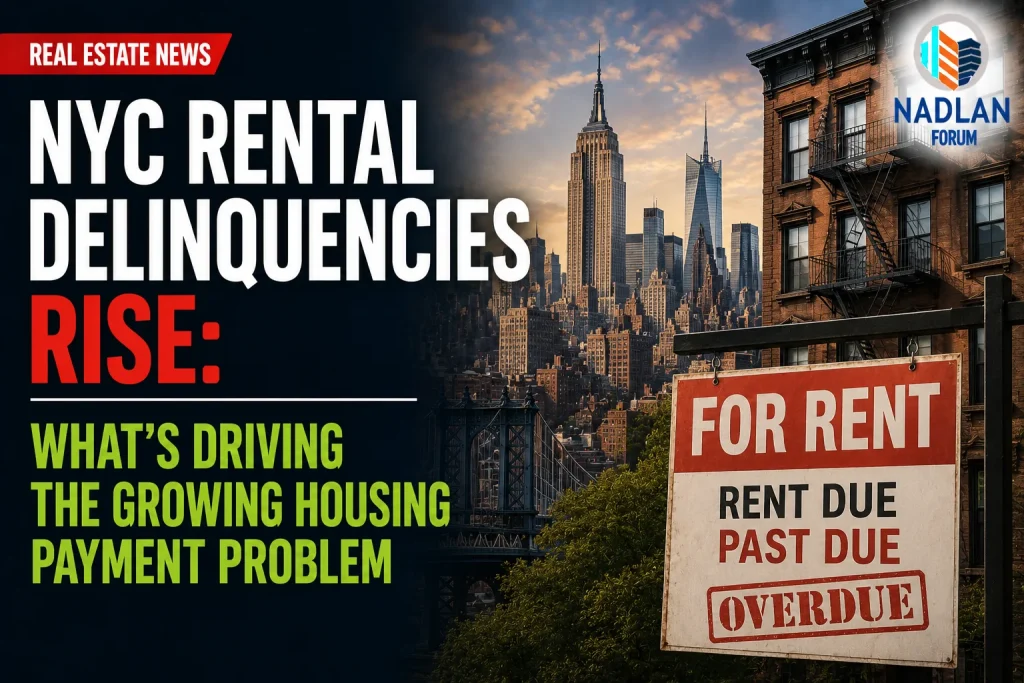
What’s Driving Rental Delinquencies in New York City?
Rental delinquency in New York City is rising again, with increasing numbers of tenants in affordable housing falling behind on rent payments. The trend is placing renewed pressure on landlords, nonprofit housing providers, and the broader affordable housing system.
While the issue has become more visible in recent years, experts say it is not new. Instead, it reflects a combination of long-term economic stress, policy shifts during the pandemic, and rising living costs in one of the most expensive cities in the United States.
Rising Missed Rent Payments in Affordable Housing
Reports indicate that rent collection rates in New York City’s affordable housing sector remain below pre-pandemic levels.
Before 2020, many property operators reported collecting around 95% of expected rent, a level generally considered necessary to maintain stable building finances.
More recently, collection rates have fallen closer to the high-80% range. While this may seem like a small decline, even a few percentage points can significantly affect properties that already operate on thin financial margins.
In some housing developments, rent collection rates have dropped closer to 75%, creating additional financial strain.
Pandemic Aftershocks Still Affect the Market
One of the most important factors behind current delinquency trends is the lasting impact of the COVID-19 pandemic.
During the pandemic period, New York City experienced:
- Major job losses in low-income sectors
- Temporary eviction protections
- Large-scale rental assistance programs
- Public policy debates around rent forgiveness
Although the economy has largely recovered, many households in lower-income housing segments continue to face financial instability.
As a result, rent collection patterns have not fully returned to their pre-pandemic norms.
Rising Cost of Living Pressures Tenants
Even after the pandemic recovery, affordability remains a major challenge in New York City.
Key pressures include:
- High food and transportation costs
- Persistent inflation in essential goods
- Limited wage growth for low-income workers
- High baseline rent levels in the city
For many households in subsidized or affordable housing, these combined expenses leave very little financial flexibility.
Even small increases in monthly costs can make it difficult for tenants to stay current on rent.
Structural Issues in Affordable Housing
The problem is also tied to structural challenges within the affordable housing system itself.
Many affordable housing buildings are operated by nonprofit organizations or mission-driven developers. These properties often rely heavily on consistent rent payments to cover:
- Maintenance costs
- Property taxes
- Insurance premiums
- Staffing and operations
- Debt service
Because profit margins are already very thin, even modest increases in delinquency can destabilize budgets.
As operating costs rise—particularly insurance and maintenance—financial pressure on these properties continues to increase.
Impact of Pandemic-Era Policies
Housing experts also point to policy changes during the pandemic as a factor that may still be influencing behavior today.
During that period:
- Eviction protections were expanded
- Rent assistance programs were widely distributed
- Eviction cases were delayed or paused
- Backlogs formed in housing courts
These conditions helped many households remain housed during a crisis, but also created long delays in enforcement and repayment systems.
Some housing operators argue that these disruptions have had long-term effects on rent collection behavior and legal processes.
However, others emphasize that most tenants are not choosing not to pay, but are instead struggling with ongoing financial hardship.
Conflicting Views on the Cause
There is ongoing debate among housing experts about why delinquency rates remain elevated.
One perspective suggests that some tenants may prioritize other expenses due to weakened enforcement systems during and after the pandemic.
Another view argues that the primary driver is continued economic pressure, with many households simply unable to afford rising living costs in one of the country’s most expensive cities.
Most experts agree that the reality likely includes a combination of both structural financial strain and policy-related effects.
Financial Strain on Housing Providers
Affordable housing providers are feeling the impact of reduced rent collection rates.
Even small declines in income can create serious challenges, especially when combined with:
- Rising insurance premiums
- Higher property maintenance costs
- Increased borrowing costs
- Delays in rental assistance payments
For many operators, this creates uncertainty in long-term financial planning and limits their ability to invest in building improvements or expansion.
Growing Share of Troubled Housing Projects
Broader data across affordable housing developments shows an increase in properties experiencing significant rent collection challenges.
The share of projects with severe delinquency issues has risen compared with pre-pandemic levels, indicating that the problem is not isolated to a few buildings but is part of a wider trend.
This raises concerns about long-term stability in portions of the affordable housing sector.
Policy and Future Housing Expansion
City and state officials continue to focus on expanding affordable housing supply as a long-term solution.
Plans include:
- Building new affordable housing units
- Preserving existing subsidized housing
- Encouraging redevelopment of underused properties
- Expanding housing assistance programs
However, even with new construction goals, financial stability in existing affordable housing remains a major concern.
What This Means for Tenants and the Market
For tenants, the situation highlights ongoing affordability pressure even within subsidized housing programs.
For landlords and housing providers, rising delinquency rates can create financial uncertainty and reduce the ability to maintain properties at a high standard.
For policymakers, the issue underscores the complexity of addressing housing affordability without also addressing income stability and cost-of-living pressures.
Bottom Line
Rising rental delinquencies in New York City reflect a combination of post-pandemic financial strain, high living costs, and structural challenges within the affordable housing system.
While not all tenants are facing the same circumstances, the overall trend points to continued stress in a housing market where affordability remains out of reach for many residents.
Without broader improvements in both income levels and housing costs, rent collection challenges are likely to remain a key issue in NYC’s affordable housing sector. For direct financing consultations or mortgage options for you visit 👉 Nadlan Capital Group.





















Responses