
Housing Market Survey: More Agents Report a Balanced Real Estate Market


After several years of limited inventory, rapid home price growth, and intense competition, the U.S. housing market is beginning to move toward a healthier balance. A new nationwide survey of real estate professionals suggests buyers and sellers are now negotiating on more equal footing as inventory improves and pricing becomes more realistic.
While mortgage rates remain elevated and affordability continues to challenge many households, the latest market data indicates conditions are becoming more stable. Buyers have more homes to choose from, sellers are pricing properties more accurately, and fewer transactions are falling apart before closing.
Although local markets continue to vary significantly, many real estate professionals believe the overall housing market is becoming more balanced than it has been in several years.
More Agents See a Balanced Market
The latest nationwide survey found a growing number of real estate agents believe market conditions now favor neither buyers nor sellers.
During the second quarter of 2026, 44% of surveyed agents described their local housing market as balanced.
That compares with just 30% when the survey first began in the third quarter of 2025.
The improvement suggests the market is gradually moving away from the highly competitive seller’s market that dominated during the pandemic housing boom.
Instead of one side holding all the negotiating power, today’s market increasingly depends on individual property characteristics, pricing, location, and condition.
Home Sales Continue to Improve
Housing activity has also shown modest improvement.
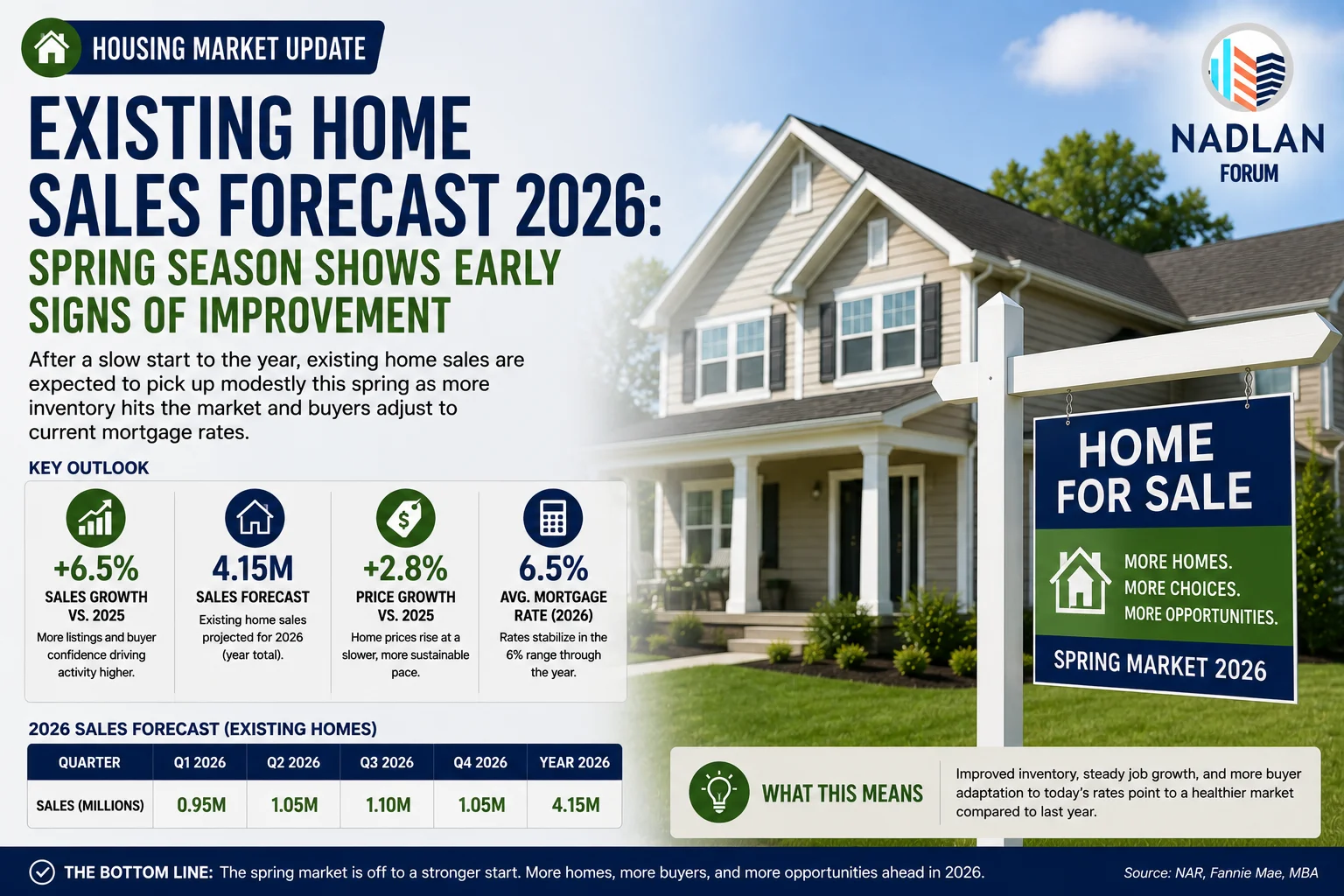
Existing home sales during May 2026 increased approximately 3% compared with the same month last year.
Several factors have contributed to the increase:
- More homes available for sale
- Moderating home prices
- Better inventory levels
- More realistic seller expectations
- Increased buyer confidence
Although overall sales remain below the exceptionally strong levels recorded during the pandemic, market activity continues moving in a healthier direction.
Sellers Are Pricing Homes More Realistically
One of the most noticeable changes in today’s housing market is seller pricing behavior.
Rather than listing homes significantly above market value and reducing prices later, many homeowners are pricing properties closer to current market conditions from the beginning.
This strategy is helping homes sell more efficiently while reducing the need for repeated price reductions.
As buyers gain access to more market information and additional housing choices, accurate pricing has become increasingly important for successful sales.
Price Cuts Become Less Common
Improved pricing strategies are already producing measurable results.
The percentage of agents reporting at least one price reduction among their active listings has declined substantially.
Current survey results show:
- 57% of agents reported at least one price reduction during the second quarter.
- During the third quarter of 2025, that figure stood at 89%.
Although price adjustments remain common in some markets, sellers appear to have developed more realistic expectations about current market conditions.
Home Prices Continue to Stabilize
National home prices continue showing modest annual growth while asking prices soften.
Recent housing data indicates:
- National home prices remain slightly higher than one year ago.
- Asking prices declined approximately 2.5% year over year during June.
- This marks the largest annual asking price decline since 2017.
- June also represented the eighth consecutive month of declining asking prices.
The difference between asking prices and actual sale prices reflects a market where sellers are adjusting expectations while buyer demand remains relatively steady.
Contract Cancellations Decline
Another encouraging sign is the decline in failed transactions.
Fewer purchase agreements are collapsing before closing compared with earlier this year.
During the second quarter:
- 40% of surveyed agents experienced at least one contract cancellation.
- During the first quarter, that figure was 51%.
The decline suggests buyers and sellers are reaching agreements that are more likely to close successfully.
Improved pricing, stronger buyer preparation, and more balanced negotiations all contribute to lower cancellation rates.
Mortgage Rates Replace Inventory as Buyers’ Biggest Concern
Buyer priorities have also shifted during the past year.
Previously, limited housing inventory represented one of the largest challenges facing homebuyers.
Today, the primary concern has become affordability.
According to the survey, mortgage rates now represent buyers’ biggest concern.
The share of agents identifying mortgage rates as buyers’ primary challenge increased from:
- 26% at the end of 2025
- 37% during the second quarter of 2026
Although inventory remains below long-term historical averages, financing costs now play a much larger role in purchasing decisions.
Housing Inventory Continues to Improve
Supply conditions have gradually strengthened.
Recent housing data shows:
- Active inventory increased nearly 2% compared with one year earlier.
- New listings rose approximately 2.4% year over year.
- Approximately 1.1 million homes are currently listed for sale nationwide.
For comparison, only about 614,000 homes were available during the height of the post-pandemic housing shortage in 2023.
While inventory remains below historical norms, today’s market offers considerably more options than buyers had just a few years ago.
Local Markets Continue to Differ
Despite improving national trends, housing conditions continue varying widely across metropolitan areas.
Factors influencing local markets include:
- Employment growth
- Population changes
- Housing supply
- Local affordability
- Migration patterns
- New construction activity
Some cities continue experiencing strong buyer demand and limited inventory, while others have become considerably more favorable for buyers.
This growing regional variation makes local market knowledge increasingly valuable for both buyers and sellers.
Agent Confidence Has Become More Cautious
Although market conditions are improving, real estate professionals remain cautious about future sales activity.
Only 19% of surveyed agents expect home sales to improve during the coming months.
That compares with 48% when the survey first launched.
Meanwhile:
- 67% of agents expect sales to remain relatively stable.
- Only a small percentage anticipate significant market deterioration.
The outlook reflects a housing market that is becoming more balanced without returning to the exceptionally rapid growth experienced during previous years.
Why Mortgage Rates Still Matter
Mortgage rates remain one of the biggest obstacles facing the housing market.
Higher borrowing costs reduce affordability by increasing monthly mortgage payments, even when home prices stabilize or decline slightly.
For many buyers, qualifying for financing has become more challenging despite improved housing inventory.
As a result, future movements in mortgage rates will likely play a major role in determining how quickly housing activity improves during the remainder of 2026.
What This Means for Buyers
Today’s market offers buyers several advantages compared with recent years.
Current conditions include:
- More available homes
- Better negotiating opportunities
- More realistic seller pricing
- Fewer bidding wars
- Lower contract cancellation rates
- Improved inventory levels
Although affordability remains challenging because of mortgage rates, buyers now have more time to evaluate properties and negotiate favorable purchase terms.
What This Means for Sellers
Sellers also continue benefiting from relatively healthy housing demand.
However, success increasingly depends on realistic pricing and proper home presentation.
Well-prepared homes that are competitively priced continue attracting qualified buyers, while overpriced properties often remain on the market longer.
Accurate pricing, necessary repairs, and professional marketing have become increasingly important in today’s balanced environment.
Looking Ahead
The latest housing survey suggests the U.S. real estate market is steadily transitioning toward a healthier balance between buyers and sellers. Growing inventory, moderating prices, fewer contract cancellations, and more realistic pricing strategies all point to a market that is functioning more normally after several years of extraordinary conditions.
While elevated mortgage rates continue limiting affordability, improving supply and stronger negotiating opportunities are creating better conditions for buyers than they have seen in years. As the housing market continues adjusting during the second half of 2026, local market conditions, mortgage rates, and inventory growth will remain the key factors shaping real estate activity across the country. For direct financing consultations or mortgage options for you visit 👉 Nadlan Capital Group.

























Responses