
Luxury Home Prices Rise Faster Than Regular Homes: Wealthy Buyers Drive U.S. Market Growth

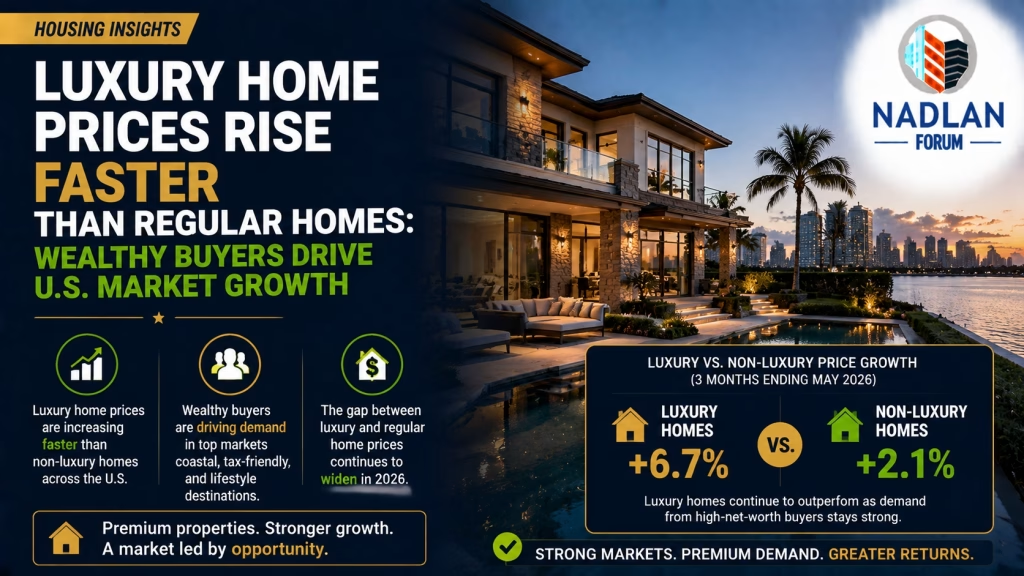
The luxury housing market in the United States continues to show strength as wealthy buyers remain active despite high mortgage rates and broader affordability challenges affecting most homebuyers.
New housing data shows that luxury properties are increasing in value faster than traditional homes in many major markets, creating a wider gap between premium real estate and the rest of the housing market.
In the three months ending May 2026, luxury homes across the country sold for significantly higher prices compared with typical homes. In several major metropolitan areas, luxury properties are selling for multiple times the price of non-luxury homes.
The strongest price differences are appearing in markets attracting wealthy buyers, including areas with favorable taxes, strong lifestyle demand, waterfront locations, and growing business opportunities.
South Florida Leads the Luxury Housing Premium
Among the largest U.S. housing markets, West Palm Beach, Florida, recorded the biggest gap between luxury and non-luxury home prices.
The typical luxury home in West Palm Beach sold for approximately $4.5 million, which was about 8.9 times higher than the median price of a non-luxury home.
Miami followed closely, where luxury homes sold for approximately 8.8 times the price of typical homes.
The top markets with the largest luxury price premiums included:
- West Palm Beach, Florida
- Miami, Florida
- New York City
- Los Angeles
- Phoenix
- Nashville
- Philadelphia
- Tampa
- Anaheim
- San Francisco
These markets continue attracting high-income buyers looking for properties that offer lifestyle benefits, investment potential, and long-term value.
Why Wealthy Buyers Continue Moving to Florida
Florida has become one of the strongest luxury housing markets in the country.
Several factors are supporting demand:
- No state income tax
- Warm climate
- Waterfront properties
- International connections
- Expanding business opportunities
- Lifestyle appeal
South Florida has especially attracted buyers from expensive markets such as New York, New Jersey, and California.
Many high-income households are relocating earlier than previous generations, with remote work and flexible employment allowing professionals to move without leaving their careers behind.
Luxury buyers are increasingly looking for:
- Larger homes
- Privacy
- Resort-style amenities
- Waterfront access
- Premium neighborhoods
Luxury Buyers Are Less Affected by Mortgage Rates
While many everyday buyers are struggling with affordability because of higher mortgage rates and rising home prices, luxury buyers often operate under different financial conditions.
Many high-end buyers purchase homes using:
- Large cash reserves
- Significant investment assets
- Business income
- Wealth accumulated through previous property ownership
Because of this, higher borrowing costs have had a smaller impact on luxury demand compared with the broader housing market.
This difference has allowed luxury home prices to continue increasing even while many middle-market buyers remain cautious.
Luxury Homes Are Outperforming Traditional Housing
Nationally, luxury homes are becoming more expensive compared with standard homes.
Across the country, the average luxury home now costs approximately 3.6 times more than a typical non-luxury home, increasing slightly from the previous year.
Luxury prices have also grown much faster than traditional housing prices.
During the latest reporting period, luxury home prices increased nearly five times faster than non-luxury home prices.
This shows a growing divide between the upper end of the housing market and the broader market.
Top Markets With the Largest Luxury Price Differences
The largest luxury price premiums were concentrated in markets with strong wealth migration and limited high-end inventory.
West Palm Beach, Florida
Luxury median price: approximately $4.5 million
Luxury homes cost nearly nine times more than typical homes, making it the strongest luxury premium market in the country.
Miami, Florida
Luxury median price: approximately $4.9 million
Miami continues attracting international buyers, investors, and wealthy households seeking a combination of business opportunities and lifestyle benefits.
New York City
Luxury median price: approximately $4.4 million
Despite affordability challenges, New York remains one of the world’s most important luxury real estate markets.
Los Angeles
Luxury median price: approximately $4.5 million
High demand for premium neighborhoods continues supporting luxury property values.
San Francisco
Luxury median price: approximately $6.6 million
The Bay Area remains one of the most expensive luxury markets due to limited inventory and strong demand from high-income professionals.
Markets With Smaller Luxury Price Gaps
Not every market has a large difference between luxury and regular homes.
Some cities have smaller luxury premiums because overall home prices are more affordable.
Markets with the smallest luxury price gaps included:
- Portland, Oregon
- Columbus, Ohio
- Sacramento, California
- Riverside, California
- Cincinnati
- Virginia Beach
- San Antonio
- Milwaukee
- Indianapolis
In Portland, luxury homes cost approximately 2.6 times more than typical homes, the smallest gap among major markets analyzed.
Luxury Migration Is Changing Housing Markets
Luxury buyers are influencing housing markets beyond just expensive neighborhoods.
Migration patterns are reshaping demand in several regions as wealthy households move from traditional high-cost areas to places offering:
- Lower taxes
- More space
- Better weather
- Lifestyle advantages
- Remote work flexibility
Florida has benefited significantly from this trend, but other markets such as Nashville, Phoenix, and parts of Texas have also attracted wealthy residents.
What This Means for Real Estate Investors
The strength of the luxury market highlights several opportunities for investors.
High-end housing demand can create opportunities in:
- Luxury rentals
- Vacation properties
- Premium renovations
- Development projects
- High-growth migration markets
However, investors should consider that luxury markets can behave differently from traditional housing markets.
Factors such as wealth migration, economic conditions, and limited inventory often have a greater influence on luxury properties.
The Future of Luxury Real Estate
The luxury housing market remains one of the strongest segments of U.S. real estate.
While many buyers continue facing affordability challenges, wealthy households are maintaining demand for premium properties.
Markets with strong lifestyle appeal, favorable economic conditions, and limited luxury inventory are likely to remain attractive.
As housing conditions continue changing in 2026, the gap between luxury and traditional housing may continue expanding, creating two very different experiences within the same real estate market. For direct financing consultations or mortgage options for you visit 👉 Nadlan Capital Group.



















Responses