
Rental Affordability Improves: More Renters Find Homes Within Budget in 2026

After several years of rapidly rising rents and limited housing options, the U.S. rental market is finally showing signs of improvement for tenants. Higher apartment construction, growing vacancy rates, and increased competition among landlords are making rental housing more affordable across many metropolitan areas.
While rents continue to rise modestly, household incomes have also increased, helping improve affordability. At the same time, more landlords are offering incentives and concessions to attract tenants, giving renters greater negotiating power than they have enjoyed in years.
Although affordability remains a challenge in some expensive markets, the overall rental landscape has become considerably more favorable compared with the conditions experienced during the pandemic housing boom.
Rental Affordability Reaches Its Best Level in Years
Recent rental market data shows that affordability has improved significantly.
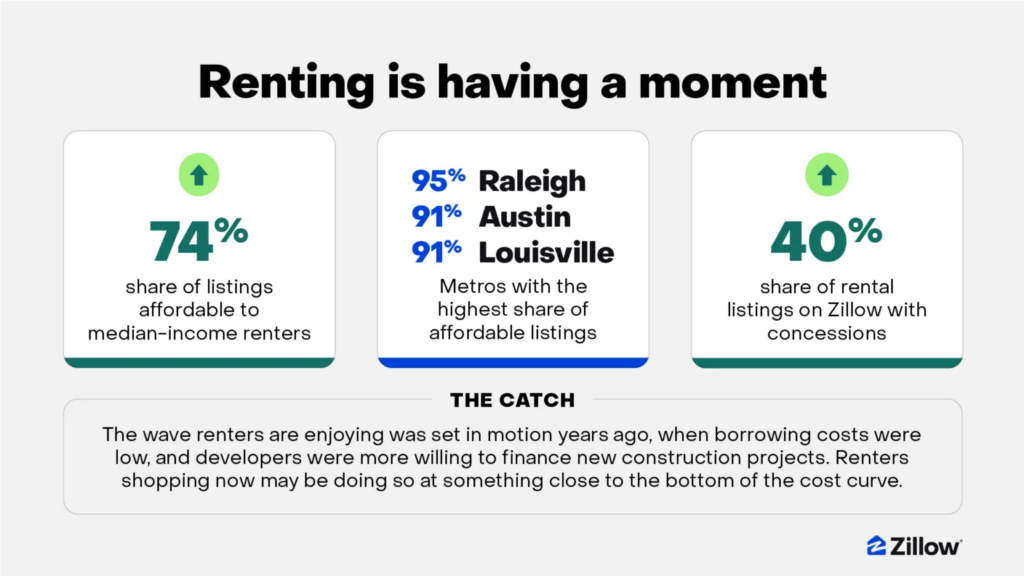
During May 2026, approximately 74% of rental listings were affordable for households earning the national median income of roughly $78,000 per year.
Housing experts generally consider rent affordable when it requires 30% or less of household income.
Currently, the typical household spends approximately 26.9% of its income on rent, comfortably below that affordability threshold.
This represents one of the strongest improvements in rental affordability since rental costs began accelerating several years ago.
Rent Growth Slows While Incomes Rise
Rental prices are still increasing, but much more slowly than during recent years.
The average monthly rent reached approximately $1,951, representing an annual increase of about 2%.
At the same time, household incomes have also increased by nearly 2%, helping offset higher housing costs.
This balance between wage growth and rent increases has improved affordability for many renters entering the market during 2026.
Affordable Rental Listings Increase
Lower-priced rental options have also become more available.
Approximately 8.8% of rental listings are now priced below $1,000 per month, providing additional choices for households seeking more affordable housing.
Although this remains a relatively small share of the overall rental market, it represents meaningful progress after several years during which affordable rental inventory became increasingly difficult to find.
Apartment Construction Drives Better Affordability
The biggest reason for improving rental conditions is increased housing supply.
The United States completed approximately 592,000 new apartments during 2024, representing the largest annual apartment construction total since 1974.
This wave of new development has produced several important market changes:
- More available apartments
- Higher vacancy rates
- Greater competition among landlords
- Slower rent increases
- More leasing incentives
- Better negotiating opportunities for tenants
As supply increases, landlords have fewer opportunities to raise rents aggressively.
Multifamily Rentals Lead the Improvement
Apartment buildings continue offering the strongest affordability gains.
Approximately 79.3% of multifamily rental listings were considered affordable during May.
That compares with 75.5% one year earlier.
Multifamily properties have benefited the most from recent construction activity, with thousands of newly completed apartment communities entering the market throughout the country.
Greater supply has helped stabilize rental pricing while improving tenant choices.
Single-Family Rentals Also Improve
Single-family rental homes have also become more affordable, although improvements have been smaller.
Affordable single-family rental listings increased from:
- 44.6% last year
- 47.1% this year
Demand for rental houses remains relatively strong because many households continue postponing homeownership due to elevated mortgage rates and home prices.
Even so, affordability has gradually improved as additional rental inventory becomes available.
More Landlords Are Offering Incentives
Another sign of a healthier rental market is the growing number of lease incentives.
Nearly 40% of rental listings now include concessions or special offers.
That compares with 35.1% one year earlier.
Common leasing incentives include:
- Free rent for one month
- Reduced security deposits
- Discounted application fees
- Free parking
- Moving assistance
- Flexible lease terms
These incentives provide renters with additional savings beyond advertised rental prices.
Most Affordable Rental Markets
Several metropolitan areas now offer exceptional rental affordability for households earning the median income.
The five most affordable rental markets include:
- Raleigh, North Carolina — 94.8% affordable listings
- Austin, Texas — 91.0%
- Louisville, Kentucky — 90.5%
- Salt Lake City, Utah — 90.2%
- Portland, Oregon — 89.3%
These cities have benefited from increased housing supply, steady construction activity, and improved market balance.
Florida Shows Major Improvement
Florida experienced some of the country’s largest affordability gains.
Affordable rental listings increased significantly in:
- Tampa: from 51.6% to 61.4%
- Orlando: from 61.3% to 69.5%
Although Florida continues attracting new residents, increased apartment construction has helped improve rental availability and moderate rent growth.
Lowest-Cost Rental Market
Among major metropolitan areas, Oklahoma City continues offering some of the country’s lowest rental prices.
Nearly 30% of rental listings in the city are priced below $1,000 per month, providing relatively affordable housing options compared with many larger metropolitan areas.
Not Every Market Is Improving
Despite encouraging national trends, affordability has weakened in several cities.
The share of affordable rental listings declined in seven metropolitan areas.
Among them:
- Pittsburgh experienced one of the largest affordability declines.
- San Francisco recorded the fastest annual rent growth at 7.1%.
Markets with limited housing construction continue facing supply shortages that place upward pressure on rental prices.
These regional differences demonstrate how local supply conditions remain one of the biggest drivers of rental affordability.
Why Supply Matters
The recent improvement in affordability largely reflects construction decisions made several years ago.
During periods of historically low interest rates, developers launched thousands of apartment projects across the country.
Many of those developments are now reaching completion.
As new apartments enter the market, landlords compete more aggressively for tenants, helping slow rent growth and improve affordability.
However, today’s construction environment looks very different.
Apartment Construction Is Slowing
Although renters currently benefit from abundant supply, future conditions may become less favorable.
Apartment construction has slowed because of:
- Higher interest rates
- Increased financing costs
- Higher construction expenses
- Slower rent growth
- Higher vacancy rates
Since apartment communities often require several years to complete, today’s new rental inventory reflects projects started during the earlier construction boom rather than current development activity.
As fewer new projects begin, future rental supply may gradually tighten.
What This Means for Renters
Today’s rental market offers opportunities that have been rare during the past several years.
Many renters now enjoy:
- More available apartments
- Greater negotiating power
- Leasing incentives
- Slower rent increases
- Improved affordability
- Larger selection of properties
Prospective tenants may benefit from negotiating lease terms while landlords continue competing for qualified renters.
Rental Market Outlook
Current affordability improvements may not last indefinitely.
Housing economists expect apartment construction to continue slowing over the next several years.
As fewer new units enter the market, rental supply could tighten once again.
Current forecasts suggest multifamily rent growth may gradually accelerate beginning in 2026 if new construction continues declining while housing demand remains strong.
Looking Ahead
The U.S. rental market has shifted noticeably in favor of renters after several years of rapid rent increases and intense competition. Higher apartment construction, improved vacancy rates, and growing landlord competition have created one of the most affordable rental environments seen in years.
While rental affordability has improved nationally, local conditions continue varying significantly depending on housing supply and construction activity. For renters considering a move, today’s market may offer an excellent opportunity to negotiate favorable lease terms before new apartment construction slows and rental competition potentially strengthens again in the coming years. For direct financing consultations or mortgage options for you visit 👉 Nadlan Capital Group.

















Responses