
New Construction Home Prices Rise: Urban Properties See Massive Premiums

Newly Built Homes Remain Limited in Cities
New construction homes continue to make up only a small share of housing inventory in urban areas across the United States. According to the latest quarterly report from Realtor, most new home construction is happening in suburban communities rather than city centers.
The report found that only around 10% of newly built homes are located in urban metro areas. In comparison, nearly 30% of existing homes available for sale are found in cities.
This means buyers searching for newly constructed homes inside major urban markets often face very limited supply.
Urban New Homes Selling at Much Higher Prices
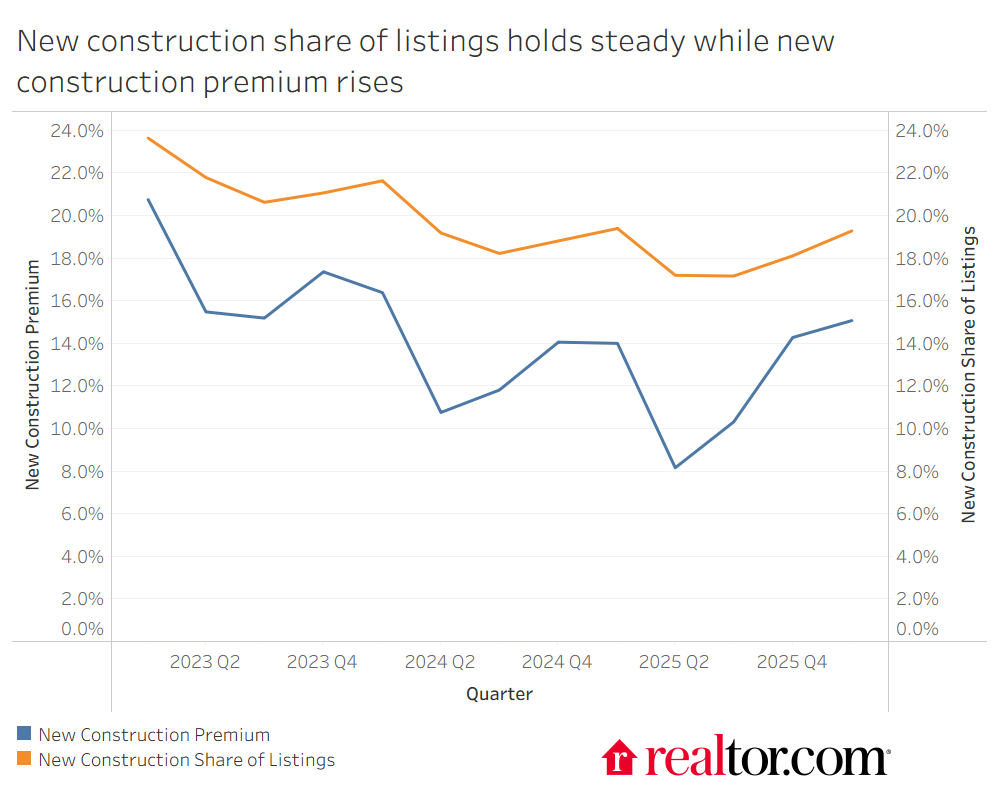
The lack of inventory is helping drive a major price gap between new and existing homes.
Nationwide, newly built urban homes cost roughly 78% more than existing urban properties. The median listing price for a newly built urban home now exceeds $738,000, while the median price for existing urban homes sits closer to $414,000.
The trend is also visible in rural markets, where new homes continue to sell at a significant premium over older properties.
In suburban and smaller town markets, however, the pricing gap between new and existing homes is much smaller.
Miami Shows the Largest Price Gap
Some metro areas are seeing especially large differences between new construction and resale homes.
The Miami metro area stands out with one of the highest new-construction premiums in the country. Newly built urban homes there are priced more than 300% higher than comparable existing homes.
The median listing price for an existing urban property in Miami is around $459,000, while newly constructed urban homes exceed $2.5 million on average.
This highlights how demand for limited new inventory in high-growth cities continues to push prices sharply higher.
New York Leads in Urban Construction Share
The New York City metro area has the highest share of urban new-construction listings, with nearly 70% of new listings located in city areas.
Other major metro areas with strong urban construction presence include:
- San Francisco
- Los Angeles
- San Diego
- New Orleans
However, the price premium varies significantly from market to market depending on land availability, demand, and local construction costs.
Why New Urban Homes Cost So Much
Several factors are contributing to the high cost of urban new construction.
Limited Land Availability
Large cities often have very little open land available for development. Builders must work within existing neighborhoods, which increases land costs and project complexity.
Higher Construction Costs
Urban projects usually involve higher labor, permitting, and material expenses. Building in dense city environments is often more expensive than developing suburban subdivisions.
Strong Demand
Demand for housing in major cities remains high, especially in areas close to jobs, transportation, and entertainment centers.
Combined, these factors create strong upward pressure on prices.
Housing Supply Challenges Continue
Homebuilders say the housing market still faces a major supply shortage after years of underbuilding.
Builders are also dealing with:
- Higher labor costs
- Rising material prices
- Expensive financing conditions
- Affordability concerns among buyers
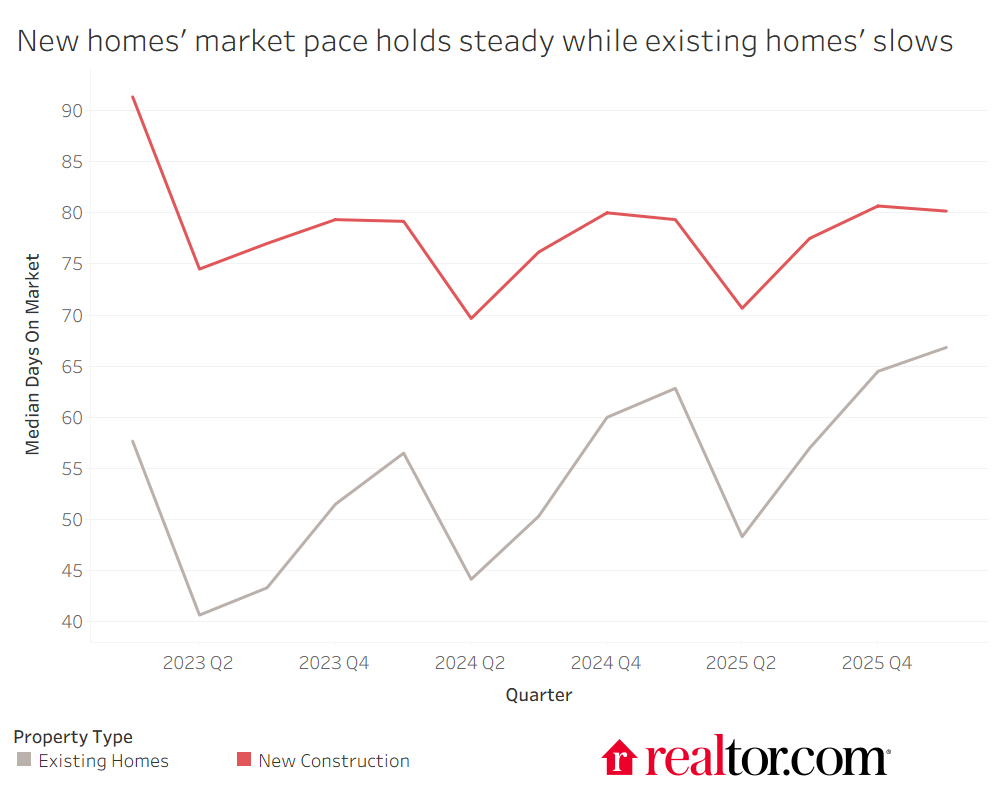
Despite these challenges, the market for newly built homes has remained more stable than the existing-home market in recent years.
Policymakers Push for More Urban Housing
Governments at both state and federal levels are exploring ways to encourage more housing development.
Several states are considering or adopting policies aimed at reducing zoning restrictions and allowing smaller, lower-cost housing options.
These proposals often focus on:
- Smaller lot sizes
- Reduced setbacks
- Increased density
- More townhome and infill development
Housing experts believe these changes could help improve affordability over time by increasing supply inside existing urban areas.
Shift Toward Higher-Density Development
Some analysts believe “light-density” housing may become increasingly important in future urban development.
This includes:
- Townhomes
- Duplexes
- Smaller infill housing projects
- Multi-unit residential buildings
These types of projects can often be built more efficiently than large luxury homes and may help lower overall housing costs in certain markets.
Regional Differences Remain Important
The housing market continues to behave differently depending on location.
In many Sun Belt states like Florida and Texas, builders still have more room to expand outward into suburban areas using undeveloped land.
Meanwhile, older coastal cities face tighter land constraints, stricter regulations, and higher development costs.
Final Thoughts
The growing new construction home price premium shows how limited urban supply and strong housing demand continue to reshape the U.S. housing market.
While suburban construction still dominates overall building activity, demand for newly built urban housing remains extremely strong, especially in major metro areas with limited inventory.
As cities look for ways to improve affordability and increase housing supply, zoning reforms and higher-density development could become more important in the years ahead. For direct financing consultations or mortgage options for you visit 👉 Nadlan Capital Group.






















Responses