
Housing Costs Blow Past 30% Rule as Affordability Crisis Deepens


As of May 2025, a typical American household would need to spend nearly 45% of their income to afford a median-priced home far above the long-standing affordability guideline of 30%. That’s according to the latest housing affordability analysis from Realtor.com, which paints a troubling picture of the current market: homeownership is increasingly out of reach for the average buyer.
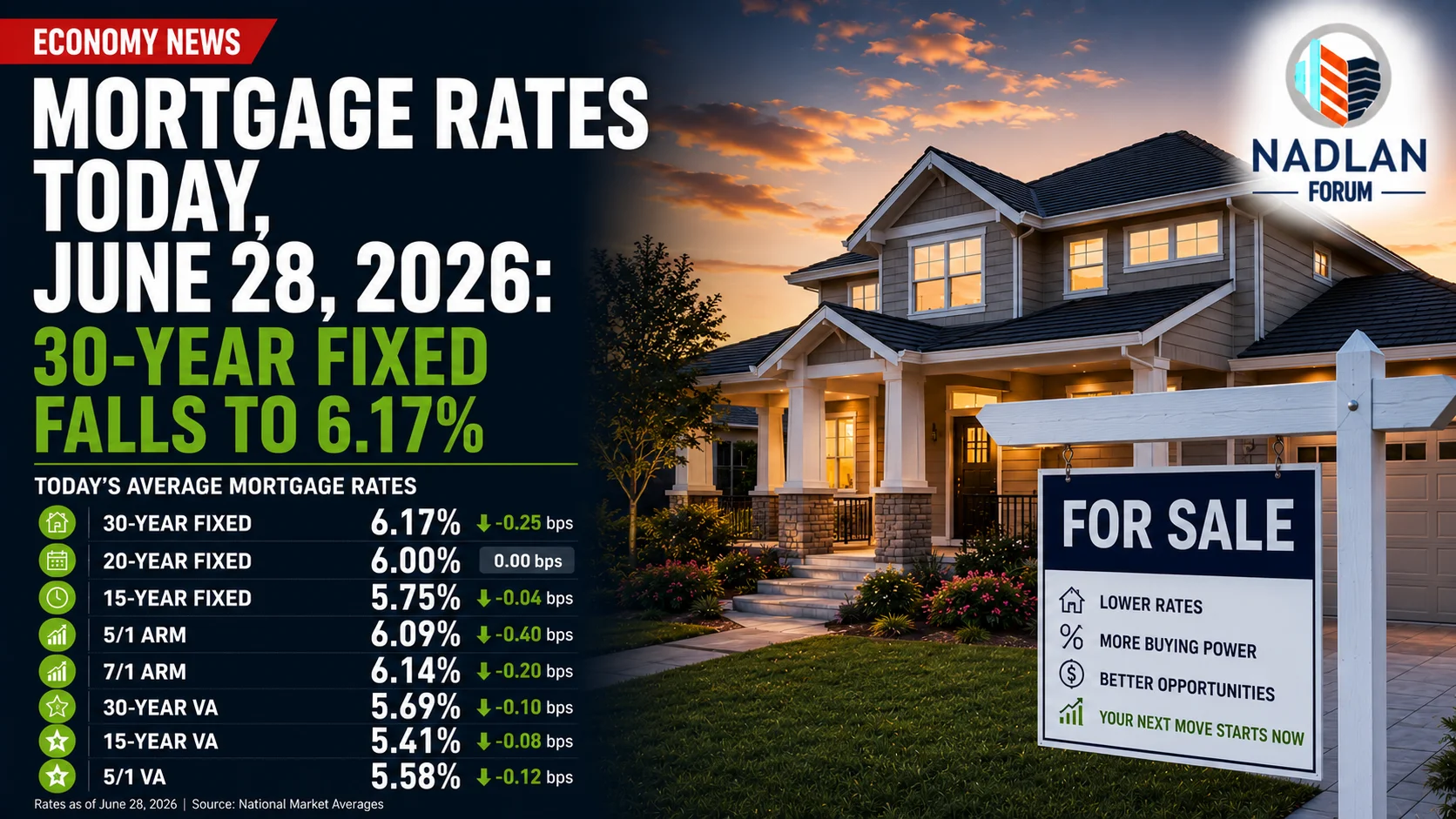
While wages have gone up over the past few years, the cost of buying a home has surged even faster. Mortgage rates continue to hover around 7%, and property prices remain stubbornly high, forcing would-be buyers to stretch their budgets or stay on the sidelines.
“Even with incomes growing, they simply haven’t kept up with housing costs,” said Danielle Hale, Chief Economist at Realtor.com. “In most major cities, the dream of homeownership is slipping further away unless there are meaningful shifts in either interest rates or housing availability.”
National Housing Trends: Inventory Up, Affordability Still Lags
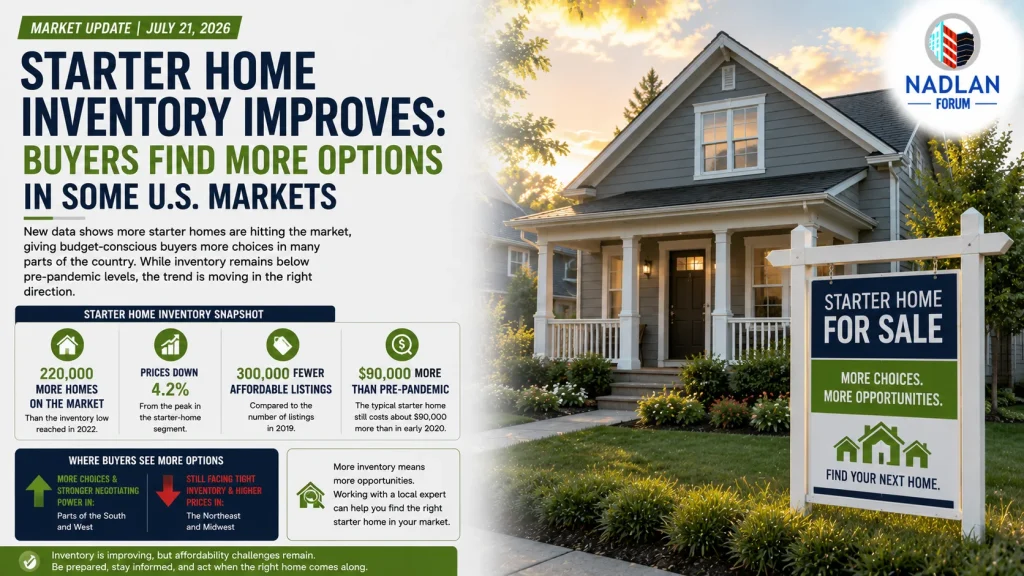
According to the May 2025 Housing Market Trends Report, the number of homes for sale nationwide rose by more than 31% compared to last year. That marks the 19th month in a row of inventory growth, though supply is still about 14% below pre-pandemic levels.
Despite more homes on the market, buyer activity has slowed. Pending sales dropped 2.5% year-over-year, a sign that rising borrowing costs are discouraging many would-be buyers. Homes are also taking longer to sell, with the median time on market reaching 51 days up six days from a year ago.
Prices remain high: The national median list price held steady at $440,000 in May, and nearly one in five listings (19.1%) saw price cuts the most for any May in the past nine years.
Where the 30% Rule Still Works
Just three major metros Pittsburgh, Detroit, and St. Louis remain affordable for households earning the local median income. That assumes a 20% down payment and a fixed mortgage rate of 6.82%.
Pittsburgh tops the list, where a median-priced home ($249,900) would cost 27.4% of the local household’s annual income. Detroit comes close at 29.8%, while St. Louis just barely fits the 30% affordability threshold.
These Rust Belt cities continue to attract attention from first-time buyers and investors alike. But even in these more affordable areas, increased demand for low-priced homes could soon erode any remaining advantage.
“Detroit has always been a beacon of affordability, but that window is closing fast,” said Anthony Djon of Anthony Djon Luxury Real Estate. “Buyers are moving quickly because they know deals won’t last forever.”
California Dreaming? Not Without a Six-Figure Income
In California and New York, the numbers are bleak. In Los Angeles, a median-priced home now demands over 104% of the area’s median income. Even without any other living expenses, the average household couldn’t afford to buy a home in L.A.
Other cities aren’t far behind: San Diego, San Jose, New York City, and Boston all require more than 60% of median income to cover monthly housing costs. Unsurprisingly, more residents in these metros are renting than owning especially in Los Angeles, where just 49% of households own their home.
| Metro Area | Median Home Price | Annual Cost (P&I, Taxes) | Median Income | % of Income Spent on Housing |
|---|---|---|---|---|
| Los Angeles | $1,195,000 | $95,496 | $91,380 | 104.5% |
| San Diego | $995,000 | $79,513 | $103,066 | 77.1% |
| San Jose | $1,419,500 | $113,436 | $156,664 | 72.4% |
| New York City | $795,000 | $63,531 | $94,960 | 66.9% |
| Boston | $879,000 | $70,243 | $109,295 | 64.3% |
Why Is This Happening?
A mix of high interest rates, limited housing supply, and post-pandemic inflation have all contributed to the squeeze. Though incomes have risen, housing prices and mortgage costs have grown faster. The result? Homebuyers are spending far more than they should often sacrificing retirement savings, travel, and quality of life to make monthly payments.
“Housing affordability is tied to two levers: income and cost,” said Hannah Jones, Senior Economic Research Analyst at Realtor.com. “Rising wages help, but they also increase demand, which pushes prices up. Without more housing supply, we’re stuck in a cycle.”
What Needs to Change?
Experts say the clearest path forward is building more homes especially at entry-level price points. New construction in markets with high demand could relieve pricing pressure and make ownership realistic again for everyday buyers.
While dramatic wage growth could theoretically help, it’s not likely to happen fast enough or evenly enough to solve the issue. Meanwhile, mortgage rates are expected to remain close to current levels for the foreseeable future.
“There’s no silver bullet,” Jones added. “But increasing supply is one of the most practical steps we can take right now.”
The Bottom Line
The 30% rule is becoming more of a wish than a reality for millions of Americans. As housing costs creep higher and wage growth slows, even middle-income families are struggling to buy homes in their own communities. Without changes in policy, supply, or lending conditions, homeownership may remain a distant goal for many especially in America’s most desirable cities. For direct financing consultations or mortgage options for you visit 👉 Nadlan Capital Group.























Responses