
Mortgage Rates Today: Rising Costs Continue to Pressure the Housing Market

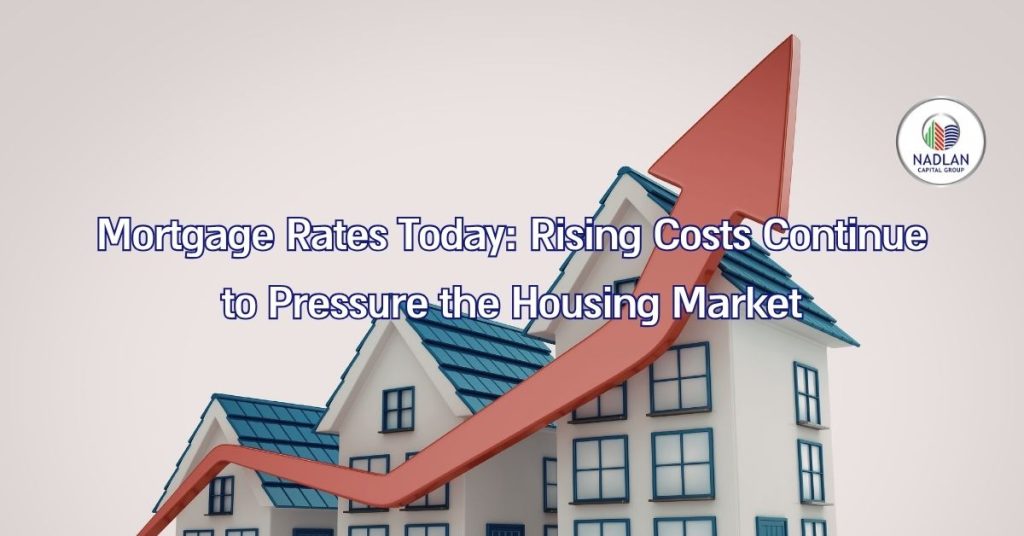
Mortgage Rates Move Higher in Early April
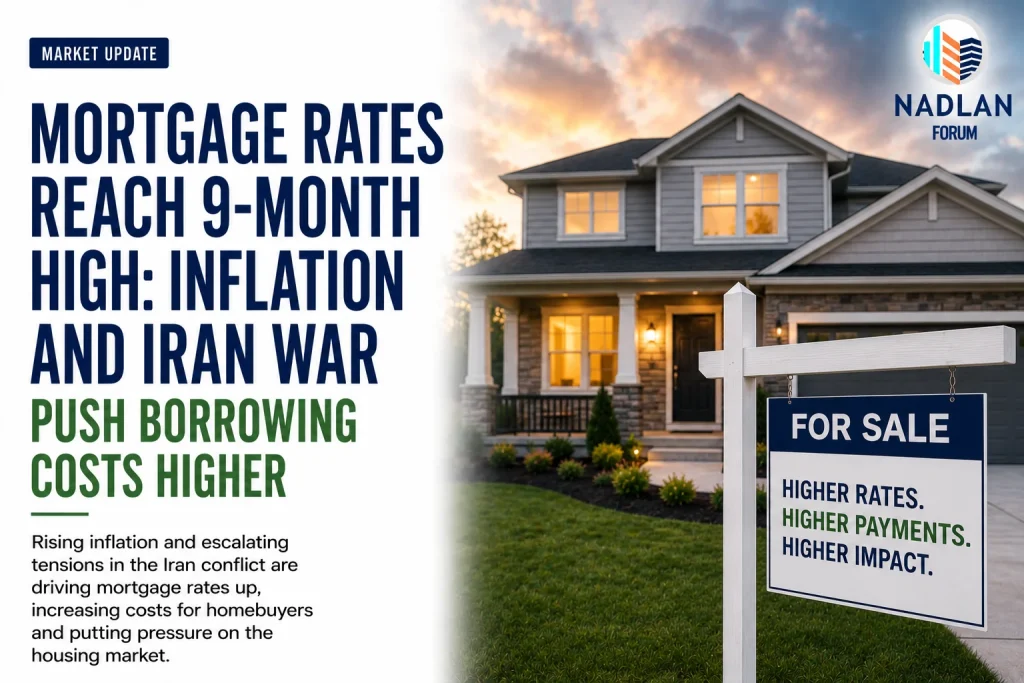
Mortgage rates in the United States are moving up again, adding pressure to an already slow housing market. According to recent data from Freddie Mac, the average rate for a 30-year fixed mortgage increased to 6.46% for the week. At the same time, the 15-year fixed rate edged up to 5.77%.
Even though these increases may seem small, they continue a pattern of gradual upward movement. Rates had dropped below 6% earlier this year, but recent economic conditions have pushed borrowing costs higher again.
Economists say that external factors, including energy market disruptions, are playing a role. According to housing analysts at Zillow, the ongoing oil shock is slowing housing activity during what is usually the busiest time of the year. Since most homebuying happens between spring and early fall, delays now could reduce overall market activity for 2026.
Current Mortgage Rates Snapshot
Based on the latest data, here are the average mortgage rates across the U.S.:
- 30-year fixed: 6.27%
- 20-year fixed: 6.09%
- 15-year fixed: 5.72%
- 5/1 adjustable-rate mortgage (ARM): 6.21%
- 7/1 ARM: 6.05%
- 30-year VA: 5.80%
- 15-year VA: 5.48%
- 5/1 VA: 5.40%
These figures are national averages and may vary depending on the lender, credit score, and location.
Current Refinance Rates
Homeowners looking to refinance are seeing slightly different numbers. Current refinance rates include:
- 30-year fixed: 6.32%
- 20-year fixed: 6.11%
- 15-year fixed: 5.81%
- 5/1 ARM: 6.05%
- 7/1 ARM: 6.23%
- 30-year VA: 5.90%
- 15-year VA: 5.56%
- 5/1 VA: 5.17%
In many cases, refinance rates are a bit higher than purchase rates, although that is not always guaranteed. The difference depends on market conditions and borrower profiles.
Why Mortgage Rates Matter for Buyers
Mortgage rates have a direct impact on how much buyers pay each month. Even a small increase can raise monthly payments and reduce how much home a buyer can afford.
For example, a higher interest rate means more of the monthly payment goes toward interest rather than the loan balance. Over time, this can significantly increase the total cost of owning a home.
Because of this, many buyers are now more cautious. Some are delaying purchases, while others are adjusting their budgets or looking for smaller homes.
Understanding Fixed vs Adjustable Rates
Fixed-Rate Mortgages
A fixed-rate mortgage keeps the same interest rate for the entire loan term. This means stable monthly payments and predictable costs. For example, a 30-year loan at 6% will stay at that rate unless the borrower refinances or sells the home.
Adjustable-Rate Mortgages (ARMs)
An adjustable-rate mortgage starts with a fixed rate for a set period and then changes over time. For instance, a 7/1 ARM offers a fixed rate for seven years, followed by annual adjustments.
While ARMs often begin with lower rates, they can become more expensive later depending on market conditions. Recently, however, ARM rates have been close to or even higher than fixed rates, making them less attractive for some borrowers.
Choosing the Right Loan Term
30-Year Mortgage
A 30-year loan is popular because it offers lower monthly payments. This makes it easier for buyers to manage their budgets, but it also means paying more interest over time.
15-Year Mortgage
A 15-year loan comes with lower interest rates and allows homeowners to pay off their debt faster. However, monthly payments are higher, which may not fit every budget.
The choice depends on financial goals. Buyers who want lower payments may prefer a longer term, while those focused on saving interest may choose a shorter one.
Are Mortgage Rates Expected to Fall?
Mortgage rates recently moved up after reaching some of their lowest levels in years. Global tensions, including conflict involving the U.S., Israel, and Iran, have added uncertainty to financial markets. This has made rate forecasts less predictable.
Still, some outlooks provide guidance. The Mortgage Bankers Association expects 30-year mortgage rates to stay near 6.30% through 2026. Meanwhile, Fannie Mae predicts rates could drop slightly below 6% by the end of the year.
Looking ahead to 2027, forecasts suggest rates may remain steady, with some estimates ranging between 5.6% and 6.3%.
What This Means for the Housing Market
Rising mortgage rates are slowing demand, especially as affordability remains a challenge. Higher borrowing costs make it harder for first-time buyers to enter the market and for current homeowners to upgrade.
At the same time, uncertainty in global markets is keeping both buyers and sellers cautious. Many are waiting for clearer signals before making major decisions.
The result is a housing market that is moving more slowly than usual for this time of year. Unless rates stabilize or decrease, this trend could continue into the coming months.
Final Thoughts
Mortgage rates today remain elevated compared to earlier this year, and the pressure on buyers is growing. While small weekly changes may not seem significant, they add up over time and shape overall affordability.
For buyers and homeowners, the key is to stay informed, compare loan options carefully, and plan based on long-term financial comfort. As market conditions continue to shift, flexibility and awareness will be essential in making the right housing decisions. For direct financing consultations or mortgage options for you visit 👉 Nadlan Capital Group.

























Responses