
America’s Home Insurance Crisis Deepens Amid Climate Turmoil and Policy Shakeups

As climate disasters strike the U.S. with increasing intensity and frequency, the nation’s homeowner insurance market is being pushed to the brink leaving many Americans in high-risk areas struggling to find or afford coverage.
The pressure has intensified following a controversial statement from Department of Homeland Security Secretary Kristi Noem, who, during a recent cabinet meeting, declared the Trump administration’s intent to “eliminate FEMA.” With the Federal Emergency Management Agency’s future uncertain, its critical roles in disaster response, flood mapping, and insurance are suddenly in question at a time when communities are already facing the consequences of an overstretched safety net.
While this is a national issue, the spotlight is especially intense on California, where the state’s homeowner insurance market is unraveling. The devastation caused by the Eaton and Palisades wildfires in January among the costliest in U.S. history left behind $52.5 billion in damages and destroyed 11,300 homes, claiming 29 lives. The financial toll has laid bare the systemic cracks in both public and private insurance frameworks.
Insurance Withdrawal and Rate Spikes
Even before the fires, trouble had been brewing. A study from Harvard’s Joint Center for Housing Studies, combined with data from the Federal Insurance Office, reveals that between 2018 and 2022, insurance companies had already begun scaling back coverage in fire-prone ZIP codes like Altadena and Pacific Palisades. Nonrenewal rates in these areas reached 1.7% and 1.8%, exceeding both the California (1.3%) and national averages (1.2%).
Premiums didn’t just rise they surged. In Pacific Palisades, the average annual homeowner’s premium jumped 33% above inflation, from $5,025 to $6,689. Altadena saw a 26% hike, with rates moving from $1,485 to $1,873. These increases have left homeowners struggling to stay protected as insurers pull back from risk-saturated markets.
As private insurers exit, California’s FAIR Plan the insurer of last resort has seen explosive growth. In Pacific Palisades and Altadena alone, FAIR Plan enrollments doubled from 2021 to 2024. After the wildfires, it received nearly 5,000 claims, totaling an estimated $4 billion in losses. To remain solvent, the FAIR Plan has issued a rare $1 billion emergency assessment on its member insurers, half of which can be passed directly onto policyholders, effectively raising premiums across the state.
Statewide Repercussions and Rapid Rebuilding
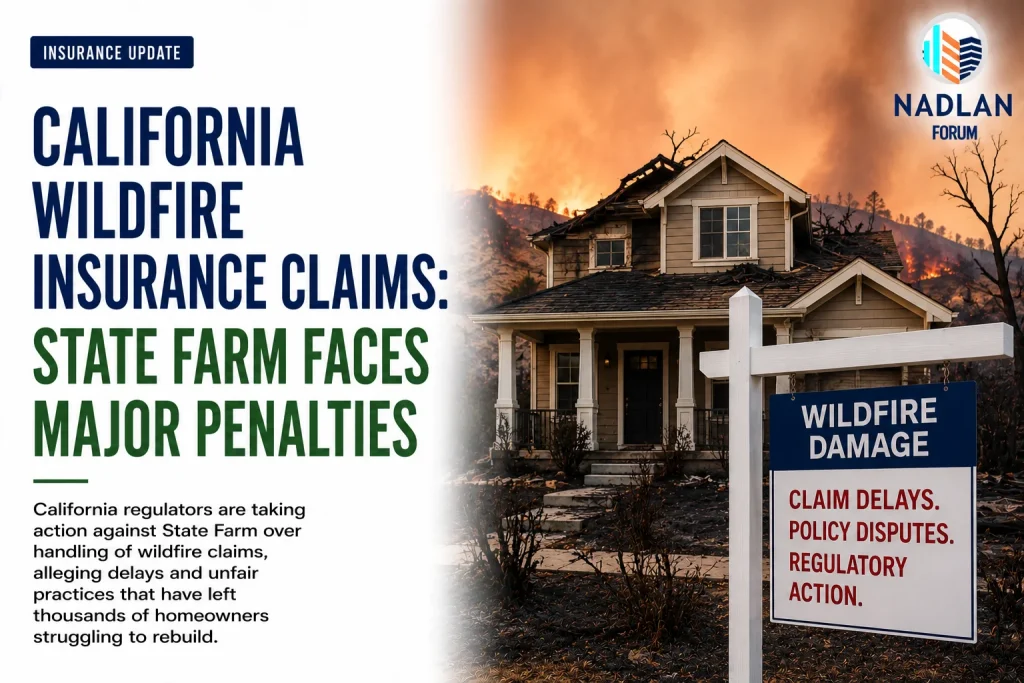
In response to the mounting crisis, California Insurance Commissioner approved a 17% rate increase for State Farm, the largest homeowner’s insurer in the state, signaling what experts are now calling a “full-blown insurance emergency.”
On the ground, the human toll is being met with a push to rebuild quickly. Los Angeles Mayor Karen Bass has expedited building permits and waived certain environmental reviews to help families return to their homes. But housing policy experts caution that rebuilding “as it was” isn’t enough. They advocate for climate-resilient upgrades such as fireproof roofing, ember-resistant vents, and defensible landscaping which not only reduce risk but may qualify homeowners for new insurance discounts.
In some states, insurers are now legally required to offer premium reductions for specific mitigation improvements, aiming to reward proactive risk management.
National Premium Hikes Looming
The insurance squeeze isn’t confined to the West Coast. As extreme weather intensifies nationwide—from wildfires to hurricanes to hailstorms homeowners across the country are bracing for price hikes.
Beginning August 15, 2025, State Farm is raising homeowner insurance premiums by 27%, citing rising weather-related claims, inflation-driven repair costs, and tariff-related expenses under the Trump administration’s economic policies. According to company data, for every $1 collected in premiums last year, State Farm paid out $1.26 in losses and expenses.
“In Illinois alone, we paid more than $638 million for hail damage in 2024,” said Gina Morss-Fischer, a State Farm spokesperson, in an interview with ABC News. “Only Texas saw higher losses. These increases are necessary to ensure long-term viability.”
Looking Ahead
With fire and hurricane seasons in full swing, the insurance landscape remains volatile. Homeowners are being urged to carefully review their policies, understand hazard risks in their areas, and explore available mitigation incentives. For some, coverage is still within reach but for many, the road to recovery and resilience is becoming increasingly steep.
If FEMA is overhauled or eliminated altogether, as some administration officials suggest, the consequences could be dire for families already on the financial edge after disaster strikes. As the debate continues in Washington, America’s homeowners are left waiting hoping their next insurance bill doesn’t price them out of protection altogether. For direct financing consultations or mortgage options for you visit 👉 Nadlan Capital Group.




















Responses