
2025 Financial Forecast: Mortgages, Investing, Banking, and Credit Cards


The U.S. economy saw strong growth in 2024, with falling inflation, low unemployment, and a 20%+ rise in the S&P 500. Looking ahead to 2025, personal finances will be shaped by new policies, continued pandemic recovery, and Fed decisions.
Mortgages
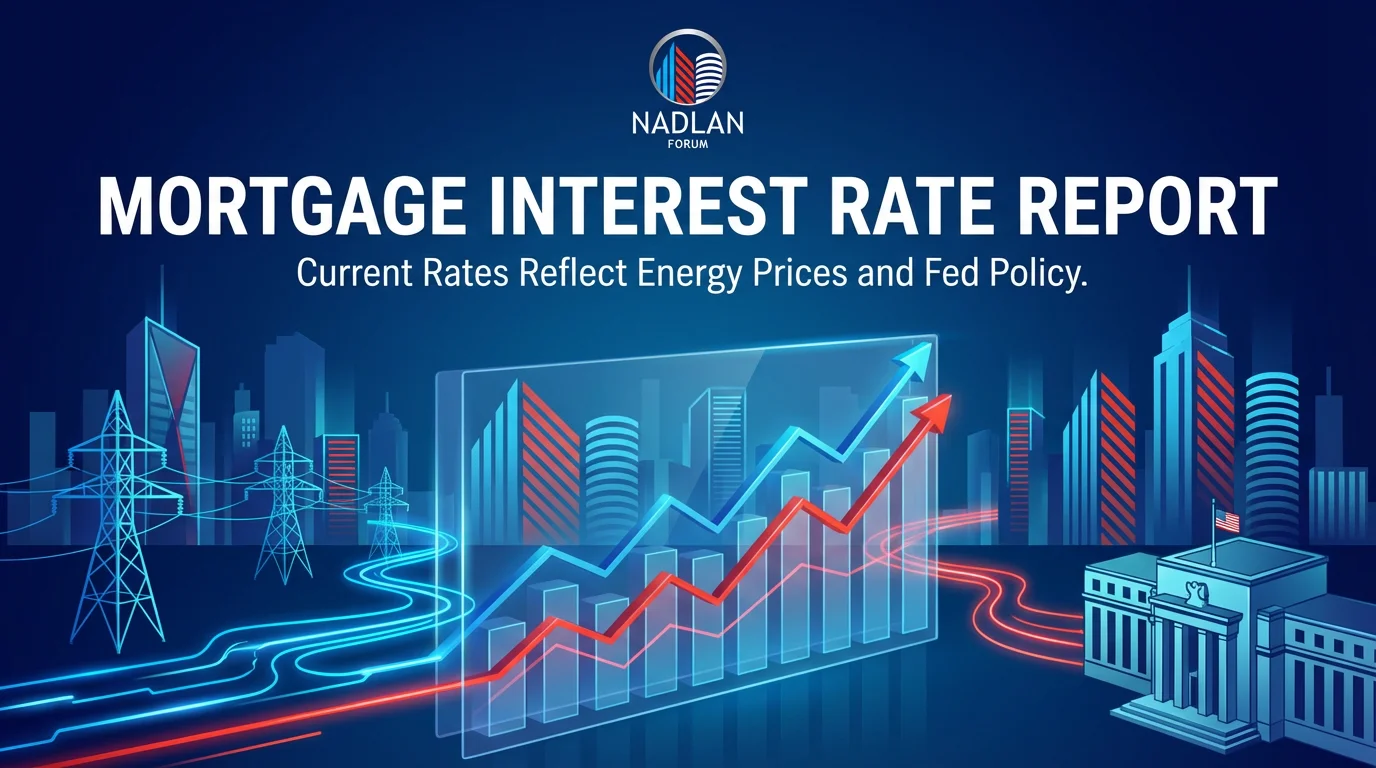
- Rates: Experts predict mortgage rates will stay above 6% in 2025, higher than early 2025 expectations.
- Housing supply & demand: With only 5.8 million new homes built over the past four years versus rising demand, the U.S. remains in a seller’s market, driving up prices.
- Impact: Current homeowners may benefit from increased home equity, but buyers face challenges finding affordable housing.
Investing
- S&P 500: Expected to produce modest returns with periods of volatility. Large-cap companies could benefit from AI adoption and improved macroeconomic conditions, though high valuations may limit gains.
- Small- & mid-cap stocks: Likely to outperform large caps, benefiting from lower interest rates and possible corporate tax cuts. Smaller firms often carry variable-rate debt, so rate reductions lower their borrowing costs more quickly.
- Key takeaway: Market performance will depend on valuation, interest rates, and policy shifts.
Banking
- Federal funds rate: Fed expected to ease gradually, with 25-basis-point cuts in Q1 and Q2, then likely pausing mid-year. Projected fed funds target rate: 3.75%–4.0%.
- Impact on savings: Lower fed funds rates could reduce returns on savings accounts, money markets, high-yield accounts, and CDs.
Credit Cards
- Interest rates: Already trending down in 2024 due to Fed rate cuts. Further decreases in 2025 are possible but may be gradual and modest.
- APR outlook: Average credit card rates remain high (~21%), so waiting for Fed cuts to pay down debt is not advised. Paying balances now is more effective than waiting.
Key Takeaways for 2025
- Mortgage rates will remain elevated; housing affordability remains a challenge.
- Investment returns are expected to be moderate, with small- and mid-cap stocks possibly outperforming large caps.
- Banking rates on deposits may decline as the Fed eases.
- Credit card interest may fall slightly, but high APRs persist managing debt proactively is critical.
For direct financing consultations or mortgage options for you visit 👉 Nadlan Capital Group.




















Responses