
July Inflation Slows Slightly, Offering Relief Amid Tariff Concerns


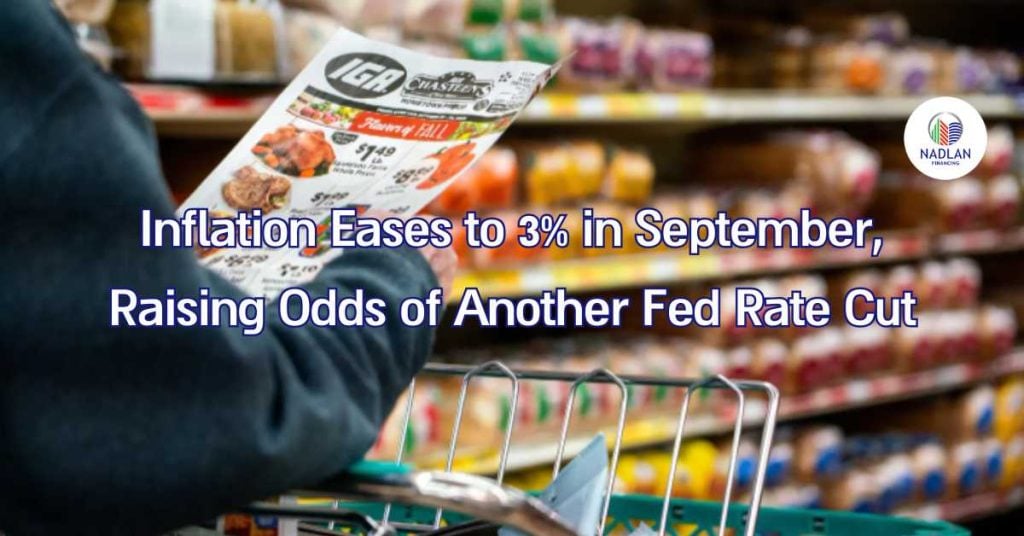
U.S. inflation rose at a slower-than-expected pace in July, providing a mild reprieve for consumers and bolstering market expectations that the Federal Reserve may cut interest rates as soon as September.
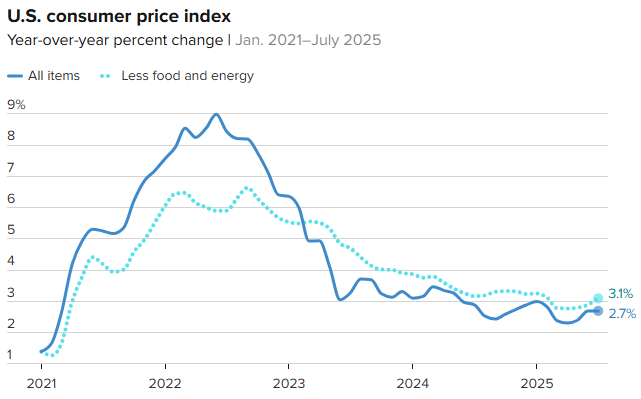
The consumer price index (CPI) a widely watched gauge of inflation rose 0.2% from June and 2.7% compared with July 2024, according to data from the Bureau of Labor Statistics (BLS). Economists surveyed by Dow Jones had forecast a slightly higher annual gain of 2.8%.
Excluding the often-volatile food and energy categories, core CPI increased 0.3% for the month and 3.1% year-over-year, aligning with projections for the monthly figure but edging above expectations for the annual rate. Federal Reserve policymakers tend to focus more on core readings as a clearer indicator of long-term inflation trends. July’s monthly core gain was the sharpest since January, while the annual reading marked the highest since February.
Housing Costs Lead the Rise
Shelter costs which account for more than a third of the CPI were the biggest contributor, climbing 0.2%. Food prices remained unchanged, while energy costs dropped 1.1%, offering some relief to households.
In tariff-sensitive categories, new vehicle prices were steady, but used cars and trucks rose 0.5%. Transportation and medical care services each recorded notable 0.8% increases.
Some import-reliant sectors reflected modest tariff impacts. Household furnishings and supplies climbed 0.7%, following a 1% increase in June. However, other categories such as apparel (+0.1%) and canned fruits and vegetables (flat) showed little reaction.
“The tariffs are in the numbers, but they’re not flashing red right now,” said former White House economist Jared Bernstein during an appearance on CNBC.
Markets Respond, Betting on Rate Cuts
Stocks rallied after the CPI report, though Treasury yields were mixed. Futures traders increased bets that the Federal Reserve will lower interest rates in September, with CME Group’s FedWatch tool showing odds for an October cut also rising from 55% the day before to about 67%.
The softer inflation reading gives the Fed more flexibility to prioritize concerns about a cooling labor market. Policymakers have been increasingly vocal about signs of employment weakness, which could tip the scales toward a rate cut.
Inflation is still climbing, but not as much as some feared,” said Ellen Zentner, Chief U.S. Economist at Morgan Stanley Wealth Management. “Markets will likely take this as a green light for the Fed to focus on supporting the job market in the short term. The bigger question is whether tariffs cause a temporary bump in prices or something more persistent.”
Political Tensions Over the BLS
The release comes at a politically charged time for the Bureau of Labor Statistics, which has been under scrutiny from President Donald Trump. Earlier this month, Trump dismissed the previous BLS commissioner following a disappointing July jobs report and announced his intent to nominate economist E.J. Antoni, a critic of the agency, to lead it.
The BLS has also been grappling with budget cuts and staff shortages, leading to reduced data collection in several cities and an increased reliance on estimated figures issues that have sparked questions about data accuracy.
Tariff Effects Still Uncertain
Economists remain divided on whether the tariffs will cause a one-off inflation spike or more lasting upward pressure. While history suggests the effects may fade over time, the breadth of goods covered under the current trade policies raises the risk of prolonged price impacts.
Looking Ahead
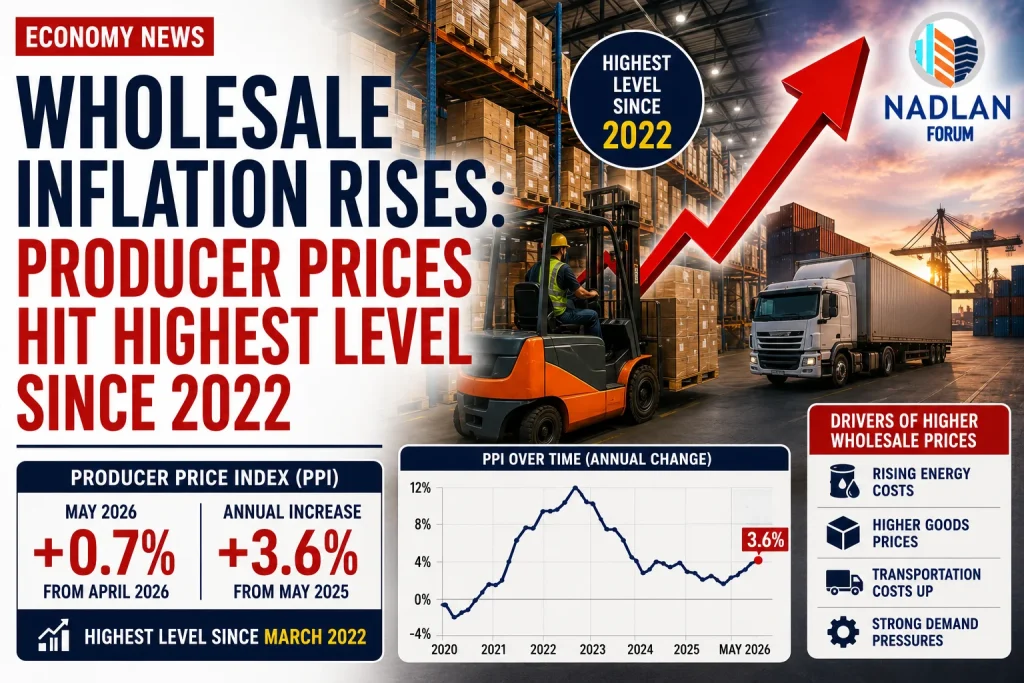
The CPI is just one piece of the inflation puzzle for the Fed, which prefers the personal consumption expenditures (PCE) price index as its primary gauge. However, Thursday’s upcoming producer price index (PPI) will feed into that calculation and could further influence the September rate decision.
In a separate BLS release, inflation-adjusted average hourly earnings rose a modest 0.1% for July, leaving the annual increase at just 1.2% another sign that wage growth is struggling to keep up with living costs. For direct financing consultations or mortgage options for you visit 👉 Nadlan Capital Group.

















Responses