
Mortgage Rates Continue to Fall, with Key Factors Likely to Impact Future Movements


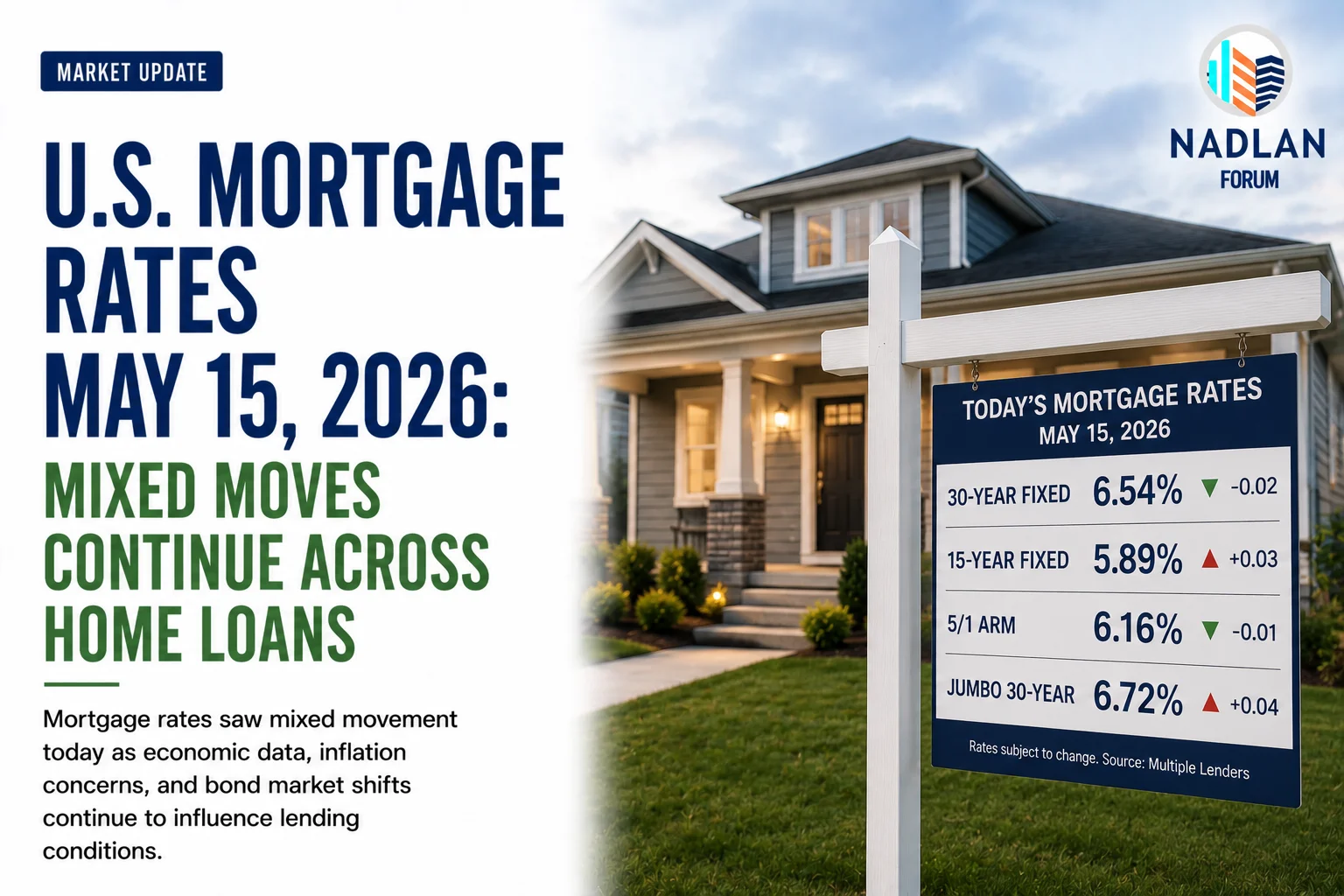
Mortgage rates dropped again last week, providing a fresh opportunity for homeowners to reconsider their loan options, especially for refinancing. According to Freddie Mac’s Primary Mortgage Market Survey (PMMS), the average 30-year fixed-rate mortgage fell to 6.50% for the week ending September 4, marking its lowest point since October 2024. The rate dipped even further on Friday following a disappointing jobs report, reaching as low as 6.29%.
Meanwhile, the 15-year fixed-rate mortgage averaged 5.6%, providing potential opportunities for borrowers looking to shorten their loan terms. These shifts in mortgage rates have had a significant impact on refinance activity. As a result, the Mortgage Bankers Association’s (MBA) weekly survey showed a 1% increase in the Refinance Index and a notable rise in the refinance share, which climbed to 46.9%, the highest it has been since last October. However, purchase activity saw a decline, with a 3% decrease on a seasonally adjusted basis, signaling that despite lower rates, housing affordability and market inventory continue to hold back buyer demand.
Two Diverging Markets: Refinances Gain, Purchases Slow
The current market environment is marked by a dual-track scenario. While purchase activity remains sluggish due to ongoing affordability issues and limited inventory, the refinance market is showing signs of strong growth as more homeowners from the 2023–2024 vintage take advantage of lower rates to secure savings. The Federal Reserve’s actions and broader economic uncertainty have had a substantial effect on mortgage rates, and lenders are finding ways to cater to these shifting dynamics.
In fact, many lenders have seen opportunities in the refinance sector by targeting specific borrower cohorts who stand to save 50–75 basis points (or more) on their mortgage rates. Mortgage professionals are segmenting their databases and conducting targeted refinance campaigns to reach homeowners who can benefit the most from rate reductions. This proactive approach helps streamline the process and keeps the operations running smoothly.
Anticipation of Upcoming Economic Data
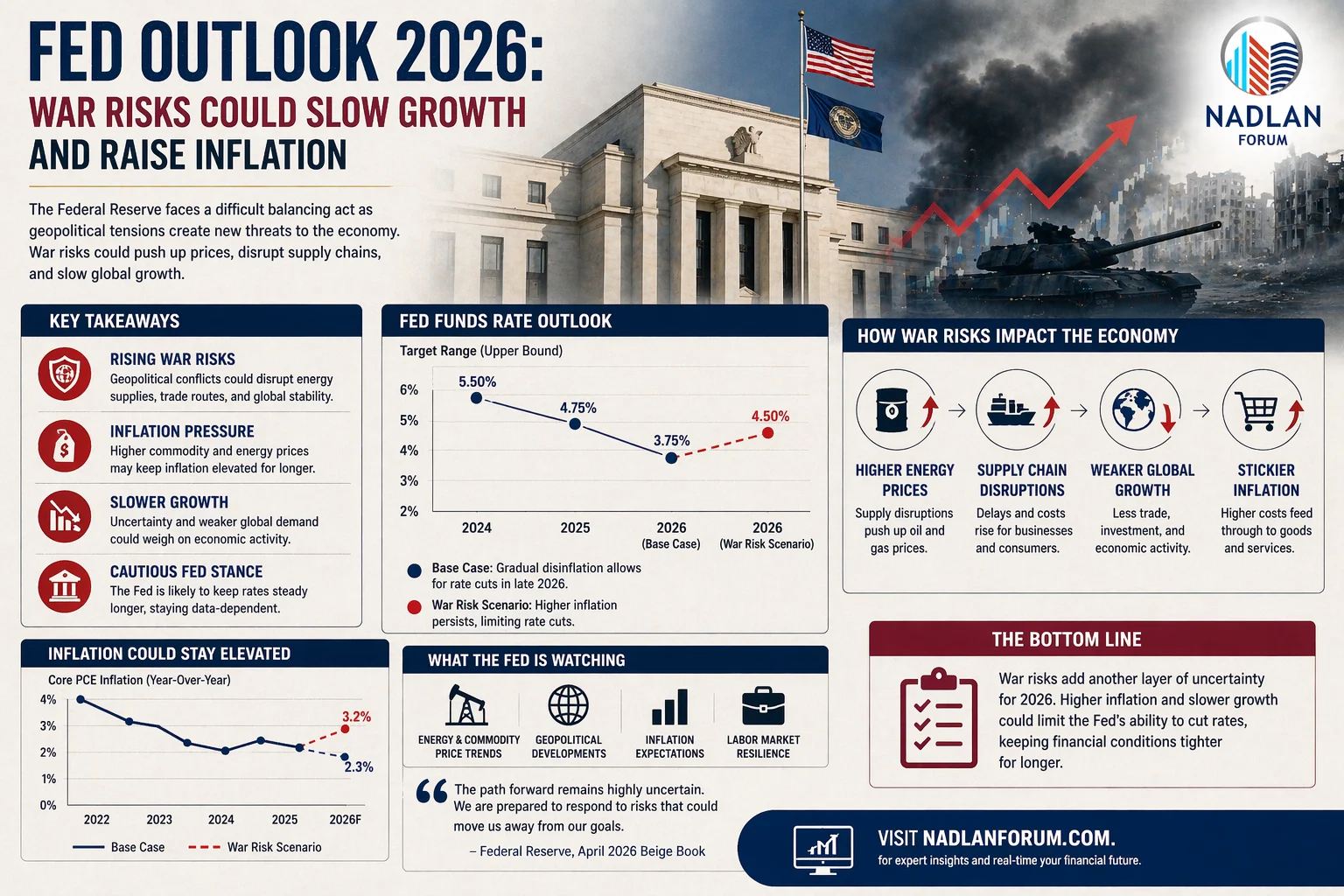
As mortgage rates continue to fluctuate, economic data will remain a critical driver of future movements. Two significant events are on the horizon for September that could cause further shifts in the market: the Consumer Price Index (CPI) report for August, scheduled for release on September 11, and the Federal Open Market Committee’s (FOMC) rate decision on September 17. Both events could trigger immediate reactions in the bond market and, in turn, impact mortgage rates.
If the CPI report reveals stubborn inflation, it could push Mortgage-Backed Securities (MBS) lower, leading to higher rates. On the other hand, a softer CPI report could inspire optimism in the market, resulting in a rally that drives rates lower. Mortgage-backed securities are closely tied to the performance of Treasury yields, and rate sheets could adjust rapidly in response to these releases.
What Mortgage Professionals Should Expect
For loan officers (LOs) and brokers, this period requires careful navigation. Given the volatility surrounding inflation data and the Fed’s policy actions, it’s essential to set realistic expectations with borrowers. With purchase activity still constrained by affordability challenges, many industry professionals are preparing for gradual improvements in the purchase sector. However, the refinance market is already benefiting from lower rates, as homeowners seek to capitalize on potential savings from their existing mortgage terms.
Mortgage professionals should segment their clientele and work strategically to capture the growing pool of refinance applicants. One practical tip is to focus on batching disclosures for refinance clients by cohort. By identifying homeowners who stand to save significantly after accounting for closing costs, professionals can streamline the process and avoid overwhelming their operational staff. Simultaneously, they should continue to prioritize purchase applications, ensuring that loans close efficiently and smoothly while managing expectations around the potential for rate changes.
Looking Ahead: Market Movements and Strategic Planning
While the mortgage market has seen improvements, it’s crucial to remember that these changes are data-dependent, and rate movements are often temporary. The last time mortgage rates fell to the mid-6% range was in 2024, ahead of a Fed rate cut. After that cut, rates briefly dropped to near 6%, only to climb back above 7% by the start of 2025. This cyclical pattern underscores that the easing cycle can be volatile, with rates bouncing back based on incoming economic data and Fed actions.
Mortgage professionals should stay informed and prepared for short-term volatility in mortgage rates, while also ensuring that their borrowers understand the potential for both rate increases and decreases depending on the upcoming economic reports.
Key Takeaways and Preparing for Future Developments:
- Refinance activity is seeing significant growth, particularly among homeowners who are taking advantage of the current low rates.
- Purchase activity is still hindered by affordability issues, though gradual improvements are expected.
- Upcoming economic data specifically the CPI and FOMC rate decision will likely dictate the direction of mortgage rates in the short term.
- Mortgage professionals should prepare for intraday swings in rates, especially around economic data releases. Segmenting databases for targeted campaigns can help maximize results.
Conclusion
While mortgage rates have improved, the full impact on the housing market is still unfolding. Refinance activity is poised to continue its upward trajectory, driven by lower rates, but challenges in home affordability and inventory shortages mean purchase activity may continue to be slow. The key for mortgage professionals is to stay adaptable and focused on both refinance opportunities and purchase applications as they navigate the dynamic market conditions. With important economic reports on the horizon, the next few weeks could bring further rate adjustments, and it’s crucial to be ready to act quickly. For direct financing consultations or mortgage options for you visit 👉 Nadlan Capital Group.
























Responses