
Experts Question How Much Trump’s $200B Mortgage Bond Plan Can Really Cut Rates


President Donald Trump’s decision to push Fannie Mae and Freddie Mac to buy up to $200 billion in mortgage-backed securities has sparked a sharp debate across the housing and finance world. While mortgage rates briefly moved lower after the announcement, many experts are unsure the impact will last.
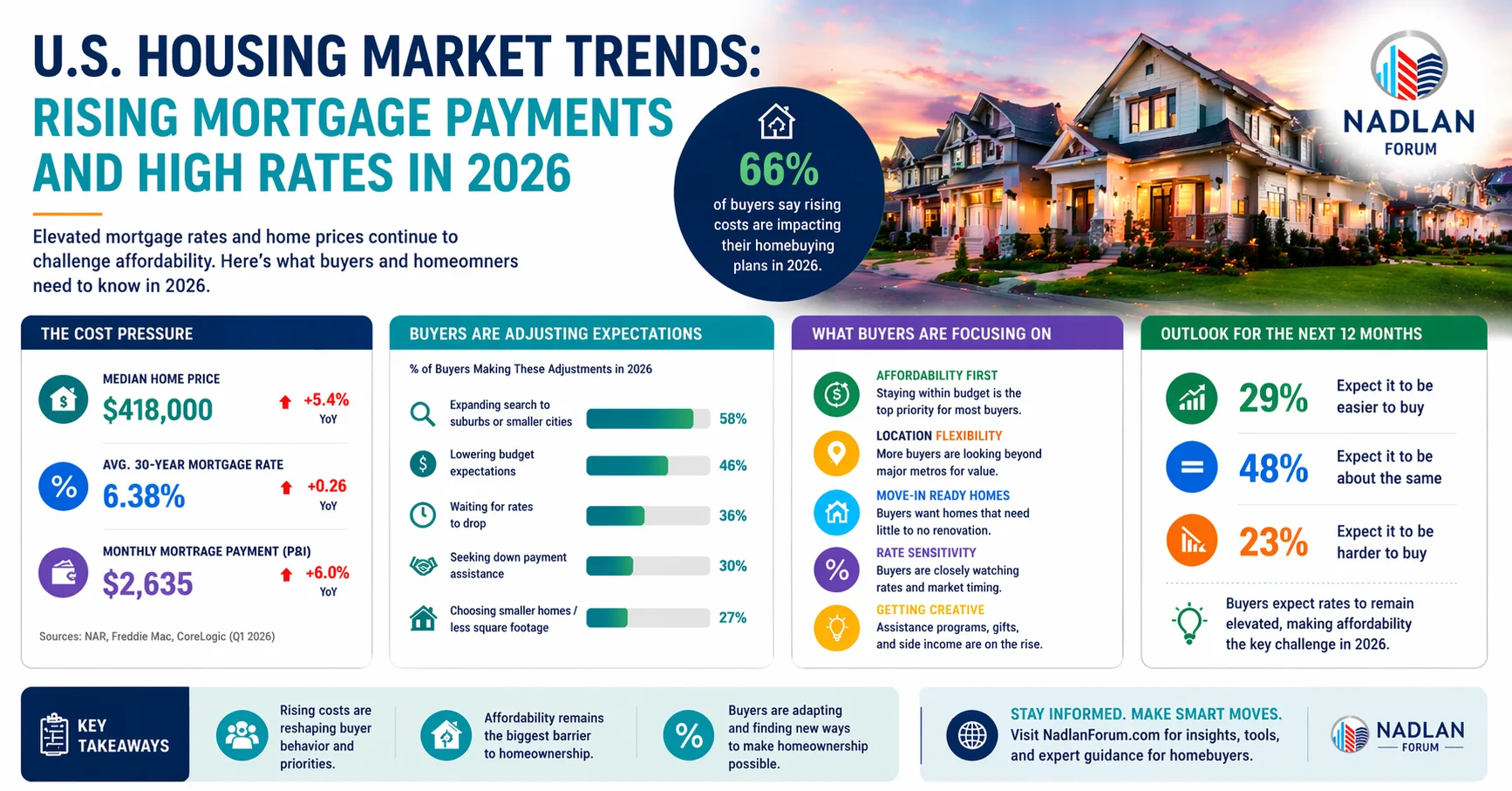
On January 8, Donald Trump said the purchases would lower borrowing costs and make homeownership more affordable. Mortgage rates did respond at first, with average 30-year rates dipping below 6% for the first time in nearly three years.
But economists and market analysts say the longer-term effect may be limited.
Why Mortgage Rates Fell at First
In simple terms, buying mortgage-backed securities (MBS) increases demand for those bonds. Higher demand usually pushes bond prices up and yields down, which often leads to lower mortgage rates for borrowers.
That’s exactly what happened in the days after the announcement. Lenders reacted quickly, and rates moved lower as investors anticipated more demand for mortgage bonds.
Still, some analysts say that move may have already priced in most of the benefit.
$200 Billion Sounds Big, But Context Matters
While $200 billion is a large number, the total U.S. mortgage bond market is estimated at around $12 trillion. In that context, experts say the buying plan may be too small to shift rates for very long.
According to Realtor.com, the plan would nearly double the amount of mortgage bonds held by Fannie and Freddie and push them close to their regulatory asset limits. Even so, the overall market is far larger than this one-time program.
The Fed Is Still a Major Player
Another reason experts are cautious is the Federal Reserve’s existing footprint in the mortgage market. The Federal Reserve still holds more than $2 trillion in mortgage-backed securities, even after years of slowly reducing its balance sheet.
Each month, about $15 billion in mortgage bonds roll off the Fed’s holdings as they mature. Some analysts say Fannie and Freddie’s purchases may help offset that runoff, but not by enough to drive a major shift.
What Economists Are Saying
Joel Berner, senior economist at Realtor.com, said the plan may help in the short run but likely won’t reshape mortgage pricing.
He noted that a one-time purchase, or even a series of smaller buys totaling $200 billion, is unlikely to move long-term rates in a meaningful way.
Mike Fratantoni, chief economist at the Mortgage Bankers Association, added that details matter. The pace of purchases, how they are funded, and how long they continue will all influence the outcome.
He said the plan could place modest downward pressure on mortgage spreads, especially while the Fed continues letting its mortgage holdings shrink.
Market Reaction Was Short-Lived
Some market data already suggests the impact faded quickly. Victor Kuznetsov of Imperial Fund Asset Management noted that mortgage bond spreads tightened sharply after the announcement but then gave back much of those gains within days.
That pattern supports the idea that investors may have already priced in most of the benefit.
Support From the Housing Industry
Despite the doubts, the National Association of Realtors praised the move. The group said the plan could help reduce the wide gap between mortgage rates and Treasury yields, which has made buying a home harder for many families.
Industry groups have long argued that high mortgage spreads, not just Fed policy, have kept borrowing costs elevated.
A Reminder From the Past
Before the 2008 financial crisis, Fannie and Freddie expanded their mortgage bond holdings aggressively. That strategy backfired when home prices collapsed, leading to massive losses and a federal bailout.
Since then, both companies have operated under strict rules that limit how much they can hold and require them to rebuild capital carefully.
That history is one reason regulators and analysts are watching this new plan closely.
What This Means for Homebuyers
For now, mortgage rates may stay lower than late-2025 levels, but experts agree they will still be shaped mainly by inflation, economic data, and future Federal Reserve decisions.
Trump’s plan may offer short-term relief, but most analysts say it is not a silver bullet for housing affordability.
Will it be enough to keep rates under 6% for long? Or will the broader economy have the final say? Homebuyers may get clarity as more details of the program emerge. For direct financing consultations or mortgage options for you visit 👉 Nadlan Capital Group.




























Responses