
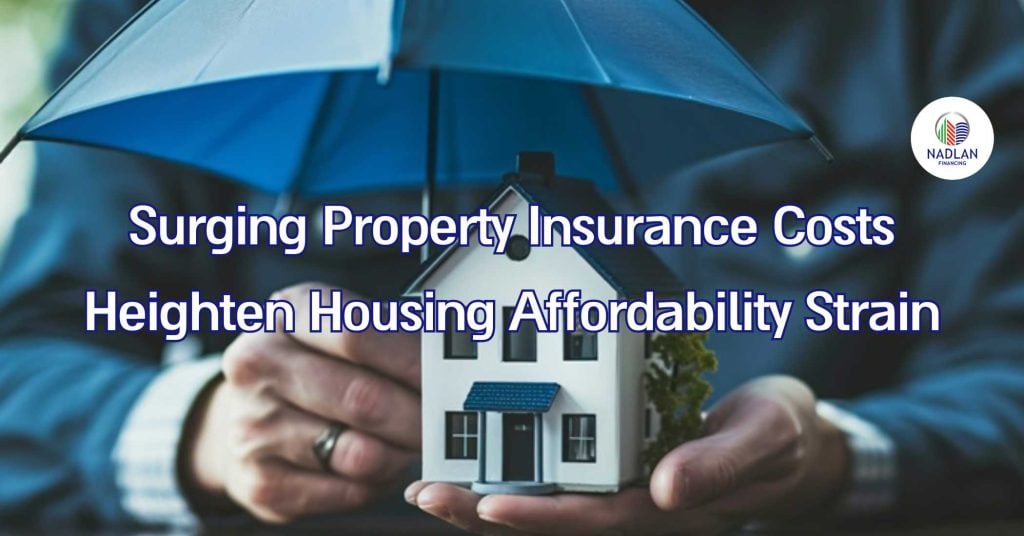
Rising Homeowners Insurance Costs Could Pose a New Challenge for the Housing Market


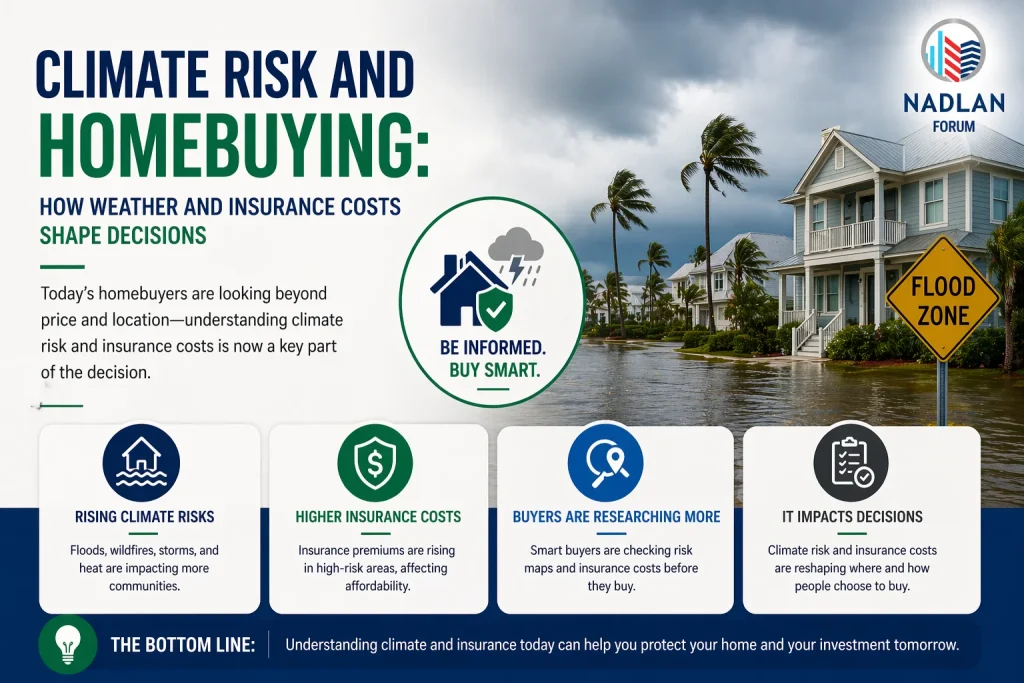
A recent survey by Realtor.com highlights a growing concern in the U.S. housing market: homeowners insurance may be becoming increasingly difficult and costly to obtain, potentially creating financial strain for many Americans. According to the survey, nearly half of current and prospective homebuyers have already faced, or anticipate facing, challenges in securing or renewing coverage. This comes as more than one in four homes in the country representing a staggering $12.7 trillion in real estate value are exposed to severe or extreme climate risks, from wildfires to floods to hurricanes.
The survey reveals that 42% of respondents have already seen their insurance premiums rise, and a striking 88% expect costs to increase further. Alarmingly, three-quarters of homeowners believe that insurance could eventually become unaffordable, forcing tough decisions about whether to maintain coverage at all. Among younger buyers, particularly Gen Z, the pressure is even more pronounced. For those using mortgages, insurance is typically required, yet 76% of these buyers indicated they would consider going without coverage if premiums continue to escalate. More broadly, 65% of respondents expressed concern about the ability to obtain and maintain homeowners insurance, signaling widespread anxiety across the housing market.
Danielle Hale, Chief Economist at Realtor.com, explains the dilemma: “Homeowners insurance provides essential financial protection, covering damage from extreme weather, fires, and other hazards, as well as offering liability coverage. But these benefits come with rising costs, fueled by the increasing frequency of severe weather events and climbing construction and rebuilding expenses. Many buyers are now changing their strategies to mitigate costs, including narrowing their property search or, in some cases, risking going without insurance.”
Survey results show that younger generations are disproportionately affected. For example, 30.5% of Gen Z buyers reported completely changing their homebuying strategy due to insurance hurdles, while 35.8% eliminated certain desired locations altogether. By comparison, only 5.9% of Baby Boomers reported having to overhaul their strategies for similar reasons. Many buyers have also expanded their geographic search areas, with 32.5% of Gen Z and 32.8% of Gen X respondents widening their search to accommodate insurance availability.
Overall, one-third of home seekers have altered their search location entirely due to insurance concerns, while another 30% expanded their initial target areas. Despite the high stakes, only 30% of respondents have actively examined natural disaster risk for their prospective homes, although 44% plan to do so in the future—a critical step given the growing prevalence of extreme climate events.
The survey also underscores rising premiums as a key factor shaping these decisions. Over the past two years, 42% of respondents reported increases in insurance costs, and 45% anticipate paying even more in the coming years. A significant portion of buyers have encountered challenges obtaining or renewing policies, with 20-28% facing these obstacles, depending on the question asked. With insurance costs rising, 31% to 44% of respondents believe coverage may become unaffordable, and 24% to 41% would consider foregoing insurance if prices keep climbing.
High-risk areas are particularly vulnerable. Realtor.com analysis shows that 26% of U.S. homes face severe climate hazards, representing $12.7 trillion in real estate value. These homes carry a higher insurance burden, compounding affordability issues for homeowners. For example, the average homeowner in Miami pays roughly 3.7% of their home’s market value annually for an HO-3 policy, the most common homeowners insurance plan in the United States. This is the highest premium-to-home-value ratio among the 100 largest metro areas, highlighting the geographic disparities in coverage costs.
As extreme weather events continue to rise, homeowners may be forced to make difficult choices: alter their home search, move away from high-risk areas, or accept reduced coverage. For younger buyers, especially Gen Z, the financial strain could affect homeownership rates and long-term market stability. Experts warn that if premiums continue to climb unchecked, insurance challenges could evolve into a broader housing affordability crisis, placing even more pressure on a market already grappling with rising costs and limited inventory.
In response, buyers are seeking strategies to mitigate costs, such as adjusting home locations, exploring less expensive insurance options, or preparing for higher out-of-pocket expenses in the event of disaster. While homeowners insurance remains a crucial financial safeguard, its rising cost and decreasing accessibility are emerging as a silent but significant challenge for the U.S. housing market one that could reshape the way Americans buy and protect their homes in the years ahead. For direct financing consultations or mortgage options for you visit 👉 Nadlan Capital Group.
















Responses