
Fed’s Beige Book Shows Tariffs Are Driving Prices Higher, Squeezing U.S. Consumers


A new report from the Federal Reserve suggests that the impact of President Donald Trump’s tariff policies is rippling through the U.S. economy, pushing prices higher and forcing businesses to make difficult choices between absorbing costs or passing them on to consumers.
Released Wednesday, the Fed’s Beige Book a periodic summary of economic conditions across the central bank’s 12 regional districts painted a picture of an economy that has largely stalled since early September. While overall growth has “changed little” since the previous report, the tone has shifted toward caution, with inflation pressures mounting and consumer sentiment beginning to show signs of strain.
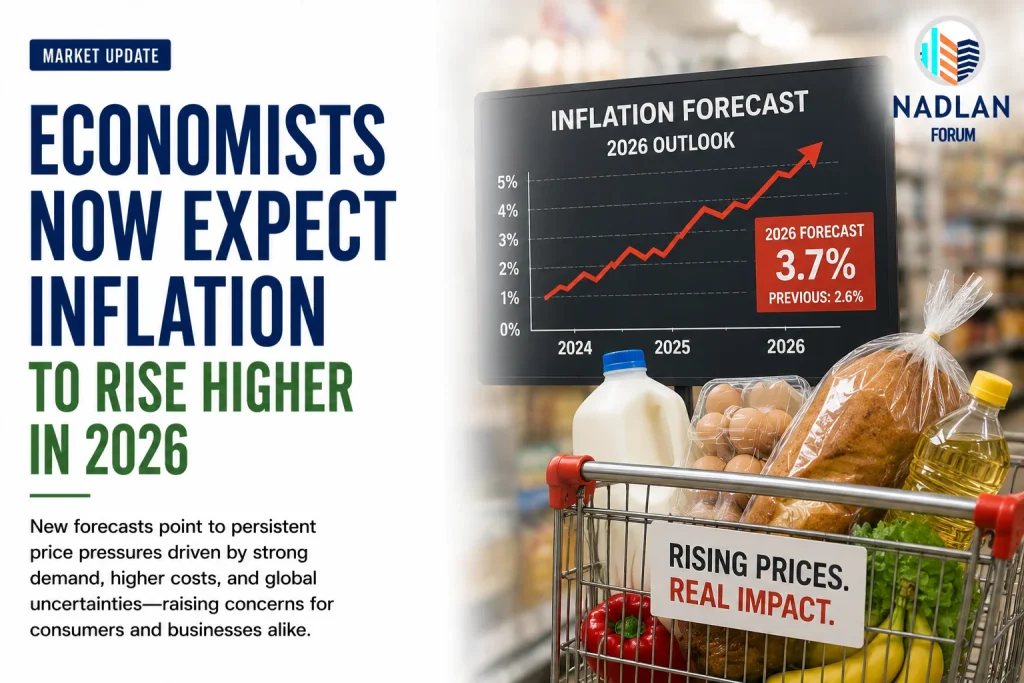
Tariffs Fuel Inflationary Pressure
According to the report, tariffs imposed on Chinese imports earlier this year have steadily driven up input costs for a wide range of businesses. The duties, which were rolled out in phases beginning in April, have raised the cost of everything from raw materials and electronics to household goods.
“Prices rose further during the reporting period,” the Beige Book stated, noting that tariff-related cost increases were widespread. The report highlighted that while some companies chose to hold prices steady to remain competitive, others had no choice but to pass the higher expenses directly onto consumers.
“For many businesses, it’s a balancing act,” said one regional bank economist quoted in the report. “They’re trying to protect profit margins without alienating customers who are already price-sensitive.”
In a few districts, weaker consumer demand and slower manufacturing output have temporarily capped price hikes, with some materials even seeing modest declines. But overall, the trend points toward higher inflation a growing concern for both policymakers and households alike.
The Trade War Escalates
The report’s release coincides with a new round of tensions in the U.S.-China trade dispute. In recent days, China announced restrictions on rare earth exports, a move widely viewed as retaliation for Washington’s escalating tariffs. President Trump responded by floating the possibility of 100% tariffs on additional Chinese goods an announcement that rattled financial markets and renewed fears of global supply chain disruptions.
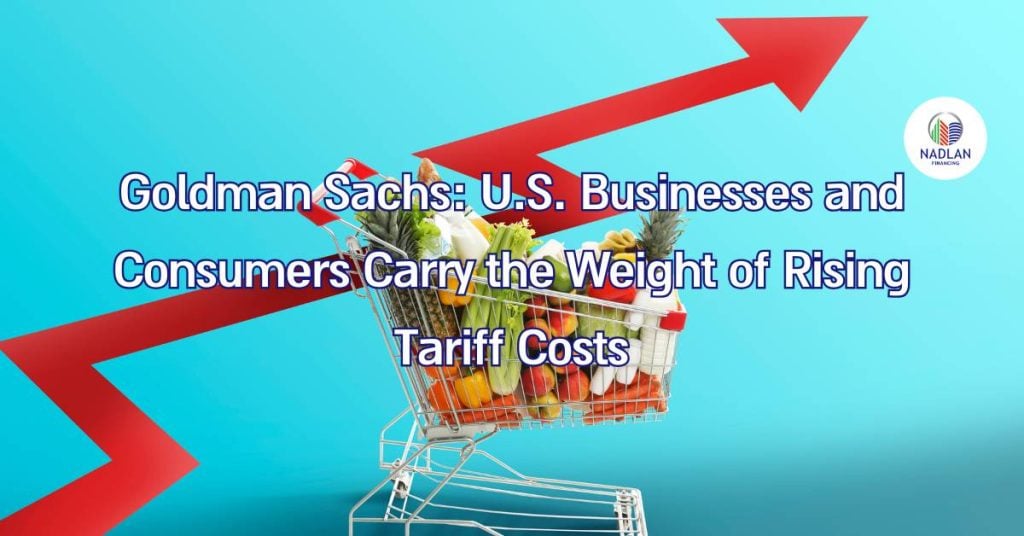
Economists warn that continued tit-for-tat actions could prolong inflationary pressures and slow the economic recovery already weakened by uncertainty. “Tariffs are inflationary by nature,” said one analyst. “They raise costs at every step of the production process, and ultimately, consumers end up footing the bill.”
Labor Market Stable but Demand Muted
Despite rising costs, the Beige Book described the labor market as “largely stable,” though hiring momentum has slowed in several regions. Employers continue to report challenges finding skilled workers, but overall job growth has softened amid muted demand.
Businesses in manufacturing, logistics, and retail cited weaker order volumes and more cautious spending patterns. Some companies also reported freezing new hiring plans or scaling back work hours in anticipation of slower growth heading into the fourth quarter.
Consumer Spending Mixed Across Income Levels
The report highlighted a growing divide in consumer behavior. Higher-income households continued to spend robustly on travel, luxury goods, and entertainment, helping sustain certain sectors of the economy. In contrast, middle- and lower-income consumers have become increasingly frugal, seeking out discounts and delaying major purchases.
“While total consumer spending edged slightly lower in recent weeks, upper-income households remain resilient,” the report noted. “However, spending by lower- and middle-income households has softened, reflecting ongoing inflation pressures.”
Retailers are responding by expanding promotional campaigns and price cuts to attract cautious shoppers a sign of growing strain in consumer confidence, which typically drives about two-thirds of U.S. economic activity.
Shutdown Complicates the Outlook
The Beige Book’s release comes during a third week of a federal government shutdown, which has disrupted the flow of key economic data. Agencies such as the Labor Department and the Commerce Department have largely suspended operations, leaving analysts without critical insights into employment, trade, and GDP performance.
To fill the gap, the Bureau of Labor Statistics (BLS) has recalled a limited number of staff to complete the Consumer Price Index (CPI) report a key inflation measure and a crucial input for Social Security cost-of-living adjustments. The CPI, which was originally scheduled for release this week, is now expected on October 24 just days before the Fed’s next policy meeting on October 28–29.
Looking Ahead: Modest Optimism, Lingering Risks
While several Fed districts expressed cautious optimism that conditions might improve later in the year, others such as Philadelphia warned that a prolonged shutdown or escalating trade conflict could deepen uncertainty.
“Future expectations have brightened slightly in some districts,” the Beige Book concluded, “but persistent headwinds from tariffs, elevated prices, and policy uncertainty remain key risks.”
For consumers, that means inflation is likely to remain a pressing issue for the foreseeable future, with businesses continuing to navigate an uneasy balance between keeping customers happy and staying afloat in a shifting economic landscape. For direct financing consultations or mortgage options for you visit 👉 Nadlan Capital Group.


















Responses